




Hey there! As a supplier of Globe Valves, I often get asked about the flow rate capacity of these valves. It's a super important topic, especially for those in industries where fluid control is key. So, let's dive right in and break down what the flow rate capacity of a globe valve really means.
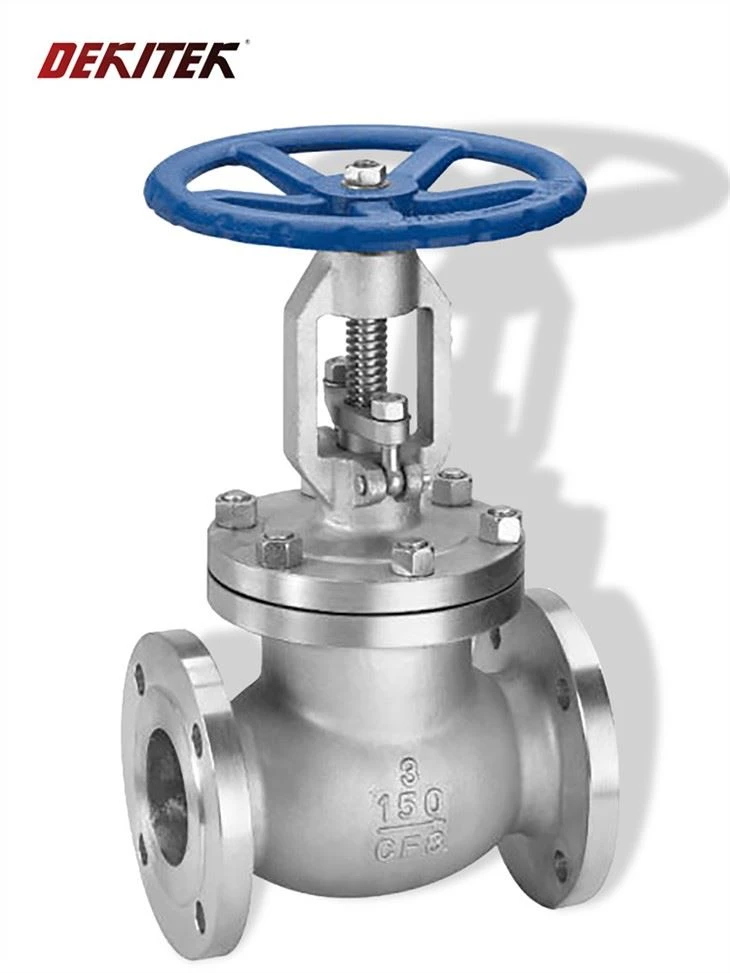
First off, what exactly is a globe valve? Well, it's a type of valve used for regulating flow in a pipeline. It's got a spherical body with an internal baffle that divides the body into two halves. The valve stem moves a disk up and down to control the flow of fluid through the valve. Globe valves are known for their excellent throttling capabilities, which makes them great for applications where you need to precisely control the flow rate.
Now, let's talk about flow rate capacity. The flow rate capacity of a globe valve refers to the maximum amount of fluid that can pass through the valve under specific conditions. These conditions include things like the pressure differential across the valve, the viscosity of the fluid, and the size of the valve.
One of the main factors that affects the flow rate capacity of a globe valve is its size. Generally speaking, the larger the valve, the higher its flow rate capacity. This is because a larger valve has a bigger opening for the fluid to pass through. For example, a 6-inch globe valve will typically have a higher flow rate capacity than a 2-inch globe valve.
But size isn't the only thing that matters. The design of the valve also plays a crucial role. Some globe valves are designed with a more streamlined internal flow path, which allows the fluid to pass through more easily. These valves tend to have a higher flow rate capacity compared to valves with a more restrictive design.
Another important factor is the pressure differential across the valve. The greater the pressure difference between the inlet and the outlet of the valve, the higher the flow rate. This is because the pressure difference creates a force that pushes the fluid through the valve. However, there's a limit to how much pressure a valve can handle. If the pressure differential is too high, it can cause damage to the valve or lead to leaks.
The viscosity of the fluid is also a significant factor. Viscosity refers to the thickness or stickiness of a fluid. Fluids with a high viscosity, like oil, are more resistant to flow compared to fluids with a low viscosity, like water. As a result, a globe valve will have a lower flow rate capacity when handling a high-viscosity fluid compared to a low-viscosity fluid.

So, how do you determine the flow rate capacity of a specific globe valve? Well, manufacturers usually provide flow rate data in the form of a flow coefficient, also known as Cv. The Cv value represents the number of US gallons per minute of water that can flow through the valve at a pressure drop of 1 psi. By knowing the Cv value of a valve and the specific conditions of your application, you can calculate the expected flow rate.
Let's take a look at some common applications of globe valves and their typical flow rate requirements. In the oil and gas industry, globe valves are often used to control the flow of crude oil, natural gas, and other fluids. These applications usually require valves with a high flow rate capacity to handle large volumes of fluid. For example, in a pipeline transporting crude oil, a large-sized globe valve with a high Cv value would be needed to ensure efficient flow.
In the water treatment industry, globe valves are used to regulate the flow of water in various processes, such as filtration, disinfection, and distribution. The flow rate requirements in this industry can vary depending on the size of the treatment plant and the specific process. Smaller plants may use valves with a lower flow rate capacity, while larger plants may require valves with a higher capacity.
Now, as a Globe Valve supplier, we offer a wide range of valves to meet different flow rate requirements. We have Cast Steel Globe Valve that are known for their durability and reliability. These valves are suitable for a variety of applications, including those in the chemical, power generation, and water treatment industries.
Our Stainless Steel Globe Valve are another popular choice. They are corrosion-resistant, making them ideal for applications where the fluid may be corrosive, such as in the food and beverage industry or in marine environments.
And if you're looking for a cost-effective option, our Cast Steel Globe Valve are a great choice. They offer a good balance between performance and price, making them suitable for a wide range of applications.
When it comes to choosing the right globe valve for your application, it's important to consider all the factors we've discussed. You need to know the flow rate requirements, the pressure differential, the viscosity of the fluid, and the specific conditions of your application. If you're not sure which valve is right for you, don't hesitate to reach out to us. Our team of experts is here to help you make the best decision.
We understand that every application is unique, and we're committed to providing you with the best possible solution. Whether you need a valve with a high flow rate capacity for a large-scale industrial application or a valve with precise throttling capabilities for a small-scale process, we've got you covered.
So, if you're in the market for a globe valve, or if you have any questions about flow rate capacity or valve selection, feel free to contact us. We're always happy to have a chat and discuss how we can meet your needs. Let's work together to find the perfect globe valve for your application.
References
- "Valve Handbook" by J. Paul Tullis
- "Fluid Mechanics" by Frank M. White
- Manufacturer's technical data sheets for globe valves