


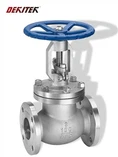

Vibration is a common phenomenon in industrial environments, which can significantly impact the performance and service life of various equipment, including valves. As a leading supplier of Alloy Steel Pressure Seal Gate Valves, understanding the vibration resistance of these valves is crucial for ensuring their reliable operation in diverse applications. In this blog post, we will delve into the concept of vibration resistance in Alloy Steel Pressure Seal Gate Valves, exploring the factors that affect it and the measures we take to enhance it.
Understanding Vibration in Industrial Settings
Before discussing the vibration resistance of Alloy Steel Pressure Seal Gate Valves, it's essential to understand the sources and effects of vibration in industrial environments. Vibration can be caused by various factors, such as the operation of pumps, compressors, and other rotating machinery, as well as fluid flow through pipes. These vibrations can propagate through the piping system and affect the valves installed within it.
Excessive vibration can lead to several problems for valves, including loosening of fasteners, fatigue failure of components, and leakage. In the case of gate valves, vibration can cause the gate to chatter or oscillate, leading to wear and tear on the sealing surfaces and potentially compromising the valve's ability to provide a tight shut - off.
Factors Affecting the Vibration Resistance of Alloy Steel Pressure Seal Gate Valves
Material Properties
Alloy steel is a popular choice for pressure seal gate valves due to its excellent mechanical properties. The high strength and toughness of alloy steel enable the valve to withstand the forces generated by vibration without undergoing significant deformation. The specific alloy composition can also influence the material's resistance to fatigue, which is crucial for long - term performance under vibrating conditions. For example, alloys with a higher content of elements such as chromium, nickel, and molybdenum can enhance the corrosion resistance and mechanical strength of the valve, making it more resistant to vibration - induced damage.
Design Features
The design of the valve plays a vital role in its vibration resistance. Our Alloy Steel Pressure Seal Gate Valves are engineered with features that minimize the impact of vibration. For instance, the pressure seal bonnet design provides a tight and reliable seal that helps to prevent leakage even under vibrating conditions. The valve's body and bonnet are designed to have a rigid structure, which reduces the flexibility and susceptibility to vibration. Additionally, the gate and seat design is optimized to ensure smooth operation and minimize the likelihood of chatter or oscillation. The use of a flexible wedge gate, such as the Stainless Steel Flexible Wedge Gate Valve or Carbon Steel Flexible Wedge Gate Valve, can help to absorb some of the vibration energy and reduce the stress on the sealing surfaces.
Installation and Mounting
Proper installation and mounting are essential for ensuring the vibration resistance of the valve. The valve should be installed in a way that aligns with the piping system to avoid any misalignment that could cause additional stress and vibration. Adequate support should be provided to the valve and the piping to reduce the transmission of vibration. For example, using pipe clamps and hangers at appropriate intervals can help to dampen the vibration and prevent it from reaching the valve.
Testing and Quality Assurance
We are committed to providing high - quality Alloy Steel Pressure Seal Gate Valves with excellent vibration resistance. To ensure this, our valves undergo rigorous testing procedures. Vibration testing is conducted in our state - of - the - art facilities, where the valve is subjected to simulated vibrating conditions similar to those encountered in real - world applications. The valve's performance is monitored during the test, and any signs of damage or malfunction are carefully analyzed. This allows us to identify and address any potential issues before the valve is shipped to the customer.

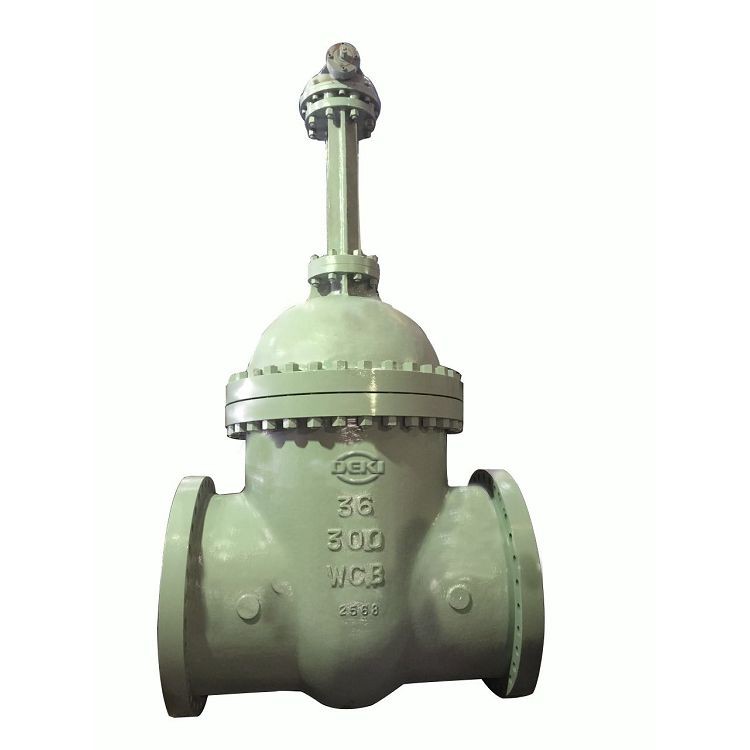
In addition to vibration testing, our valves also undergo other quality control tests, such as hydrostatic and pneumatic testing, to ensure their integrity and performance. We adhere to international standards and industry best practices in all our manufacturing and testing processes.
Comparison with Other Valve Types
When compared to other valve types, Alloy Steel Pressure Seal Gate Valves offer several advantages in terms of vibration resistance. For example, ball valves may be more prone to vibration - induced wear on the ball and seat due to their spherical design, which can lead to leakage over time. Globe valves, on the other hand, may experience more significant pressure drops and flow disturbances, which can contribute to increased vibration. Our Alloy Steel Pressure Seal Gate Valves, with their robust design and high - quality materials, are better equipped to handle vibration and provide reliable performance in demanding industrial environments.
Applications and Benefits in Vibration - Prone Environments
Our Alloy Steel Pressure Seal Gate Valves are widely used in industries where vibration is a common concern, such as power generation, oil and gas, and chemical processing. In power plants, for example, the valves are used in steam and water systems, where the operation of turbines and pumps can generate significant vibration. The vibration resistance of our valves ensures reliable operation and minimizes the need for maintenance and replacement, reducing downtime and costs.
In the oil and gas industry, the valves are used in pipelines and refineries, where the flow of fluids and the operation of pumps and compressors can cause vibration. Our valves can withstand these vibrations and provide a tight shut - off, preventing leakage and ensuring the safety and efficiency of the operations.
Our Commitment to Continuous Improvement
We understand that the requirements for vibration resistance in industrial applications are constantly evolving. Therefore, we are committed to continuous improvement in our valve design and manufacturing processes. We invest in research and development to explore new materials and design concepts that can further enhance the vibration resistance of our Alloy Steel Pressure Seal Gate Valves. Our team of engineers and technicians is constantly monitoring industry trends and customer feedback to identify areas for improvement.
Related Products
In addition to our standard Alloy Steel Pressure Seal Gate Valves, we also offer a range of related products, such as the Duplex Stainless Steel Pressure Seal Gate Valve. Duplex stainless steel offers even higher corrosion resistance and mechanical strength, making it an ideal choice for applications in harsh and corrosive environments where vibration is also a concern.
Conclusion
The vibration resistance of our Alloy Steel Pressure Seal Gate Valves is a result of our careful selection of materials, innovative design, and strict quality control measures. Our valves are designed to withstand the challenges posed by vibration in industrial environments, providing reliable performance and long - term durability. Whether you are in the power generation, oil and gas, or chemical processing industry, our valves can meet your needs for a high - quality, vibration - resistant valve solution.
If you are interested in learning more about our Alloy Steel Pressure Seal Gate Valves or have specific requirements for your application, we encourage you to contact us for a detailed discussion. Our team of experts is ready to assist you in selecting the right valve for your needs and providing you with the best possible service.
References
- ASME B16.34 - Valves - Flanged, Threaded, and Welding End
- API 600 - Steel Gate Valves - Flanged and Butt Welding Ends for Petroleum, Petrochemical, and Related Industries
- ISO 5208 - Industrial Valves - Pressure Testing of Valves