



Hey there! I'm a supplier of gate valves, and I'm super excited to share with you all about the fire - safe design of a gate valve. Fire safety is no joke, especially in industries where flammable substances are involved. A gate valve with proper fire - safe design can be a real lifesaver, quite literally.
Understanding the Basics of Gate Valves
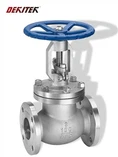
First things first, let's quickly go over what a gate valve is. A gate valve is a type of valve that uses a gate or wedge to control the flow of fluids in a pipeline. When the gate is raised, the fluid can flow freely through the valve, and when it's lowered, the flow is stopped. Gate valves are commonly used in various industries like oil and gas, chemical, and power generation because they offer a full opening when fully open, providing a straight - through flow path with minimal pressure drop.
Why Fire - Safe Design Matters
Now, let's talk about why fire - safe design is so crucial for gate valves. In industrial settings, there's always a risk of fire. If a fire breaks out in an area where gate valves are installed, a non - fire - safe valve can quickly become a major problem. Flames and high temperatures can damage the valve's seals, causing them to fail. Once the seals fail, the fluid in the pipeline can leak out, which can fuel the fire even further and create a dangerous situation for workers and the environment.
On the other hand, a gate valve with a fire - safe design is built to withstand the intense heat and pressure of a fire. It's designed to prevent the leakage of fluids even when exposed to high temperatures for an extended period. This helps to contain the fire and prevent it from spreading, reducing the potential for major disasters.

Elements of Fire - Safe Design
Sealing Materials
One of the key elements of a fire - safe gate valve is the use of appropriate sealing materials. Most gate valves use elastomeric materials, like rubber or plastic, for their seals. These materials are great for normal operating conditions because they provide excellent sealing performance and are relatively inexpensive. However, they can melt or burn when exposed to high temperatures, which is why fire - safe gate valves have backup seals made of more heat - resistant materials, such as metal.
In case the primary elastomeric seals fail during a fire, the metal backup seals kick in. Metal seals are designed to create a tight seal even under extreme heat, preventing the fluid from leaking out of the valve. For example, our Duplex Stainless Steel Gate Valve uses high - quality metal backup seals that have been tested to withstand high - temperature environments for a specified period.
Body and Bonnet Design
The body and bonnet of a gate valve also play an important role in its fire - safe design. The valve body and bonnet are usually made of materials that can withstand high temperatures without deforming or losing their structural integrity. For instance, duplex stainless steel is a popular choice for fire - safe gate valves because it has excellent corrosion resistance and high - temperature strength.
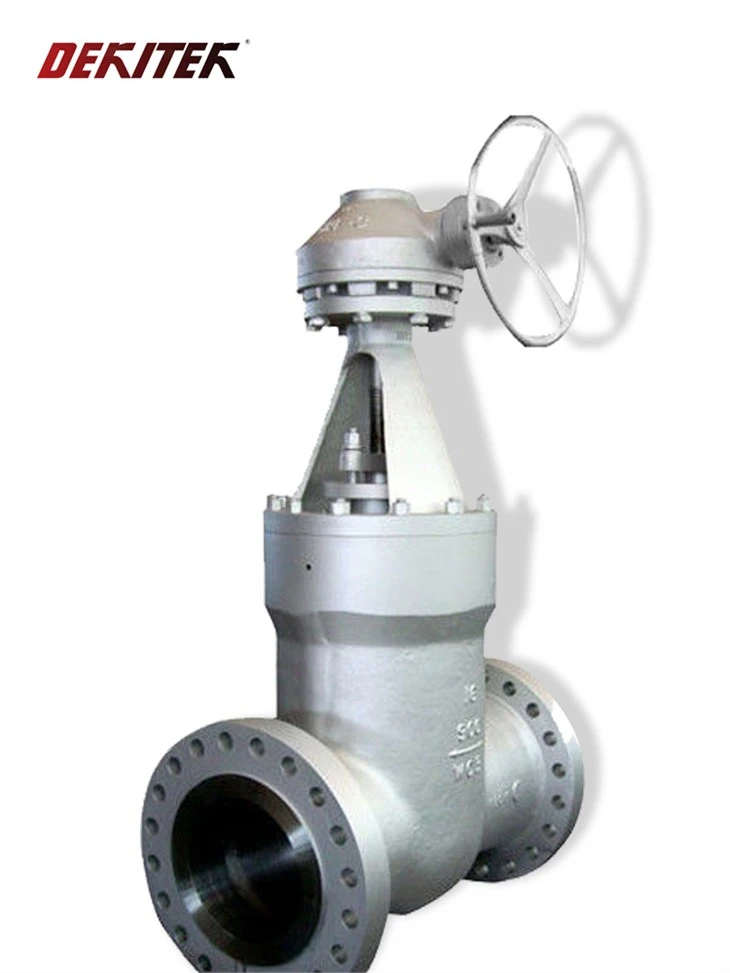
Our Duplex Stainless Steel Pressure Seal Gate Valve features a pressure - seal bonnet design. This design not only provides a reliable seal under normal operating conditions but also helps to maintain the integrity of the valve during a fire. The pressure - seal bonnet is designed to tighten under increasing pressure, which is often the case during a fire when the fluid in the pipeline expands due to the heat.
Fire - Testing Standards
Another aspect of fire - safe design is compliance with fire - testing standards. There are several international standards, such as API 607 and ISO 10497, that define the requirements for fire - safe valves. These standards specify the test procedures and performance criteria that a valve must meet to be considered fire - safe.
When a gate valve is tested according to these standards, it is exposed to a controlled fire for a specific period. The valve is then inspected to ensure that it has not leaked more than the allowable amount of fluid during and after the fire. Our gate valves are regularly tested to meet these strict standards, so you can be confident in their fire - safe performance.
Advantages of Choosing a Fire - Safe Gate Valve
Safety
As I mentioned earlier, the most obvious advantage of a fire - safe gate valve is safety. It can help to prevent the leakage of flammable fluids during a fire, reducing the risk of explosions and further spreading of the fire. This not only protects the lives of workers but also safeguards the surrounding environment.
Regulatory Compliance
Many industries are subject to strict regulations regarding fire safety. By choosing a fire - safe gate valve, you can ensure that your facility is in compliance with these regulations. This can save you from costly fines and legal issues in the long run.
Long - Term Cost Savings
Although fire - safe gate valves may be more expensive than non - fire - safe ones upfront, they can actually save you money in the long term. In case of a fire, a non - fire - safe valve may fail, leading to significant property damage, production downtime, and environmental cleanup costs. A fire - safe valve, on the other hand, can help to minimize these losses by preventing the spread of the fire and reducing the damage caused by fluid leakage.
Conclusion
In conclusion, the fire - safe design of a gate valve is a complex but essential aspect of valve engineering. It involves the use of appropriate sealing materials, a robust body and bonnet design, and compliance with fire - testing standards. As a gate valve supplier, I'm proud to offer a range of fire - safe gate valves, including our Duplex Stainless Steel Gate Valve, that are designed to meet the highest safety and performance standards.
If you're in the market for a reliable gate valve with a fire - safe design, I encourage you to get in touch with us. We'd be more than happy to discuss your specific requirements and help you choose the right valve for your application. Let's work together to ensure the safety and efficiency of your industrial operations.
References
- API 607: Fire - Test Standard for Soft - seated and Post - driven Steel Gate, Globe, and Check Valves
- ISO 10497: Petroleum, Petrochemical and Natural Gas Industries — Fire - type Testing of Valves