


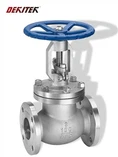

As a trusted supplier of Forged Floating Soft Seated Ball Valves, I often encounter inquiries about the suitability of these valves for high - pressure applications. It's a question that demands a detailed and scientifically - grounded response. Let's delve into the matter to understand if a forged floating soft seated ball valve can indeed be used for high - pressure applications.
Understanding the Forged Floating Soft Seated Ball Valve
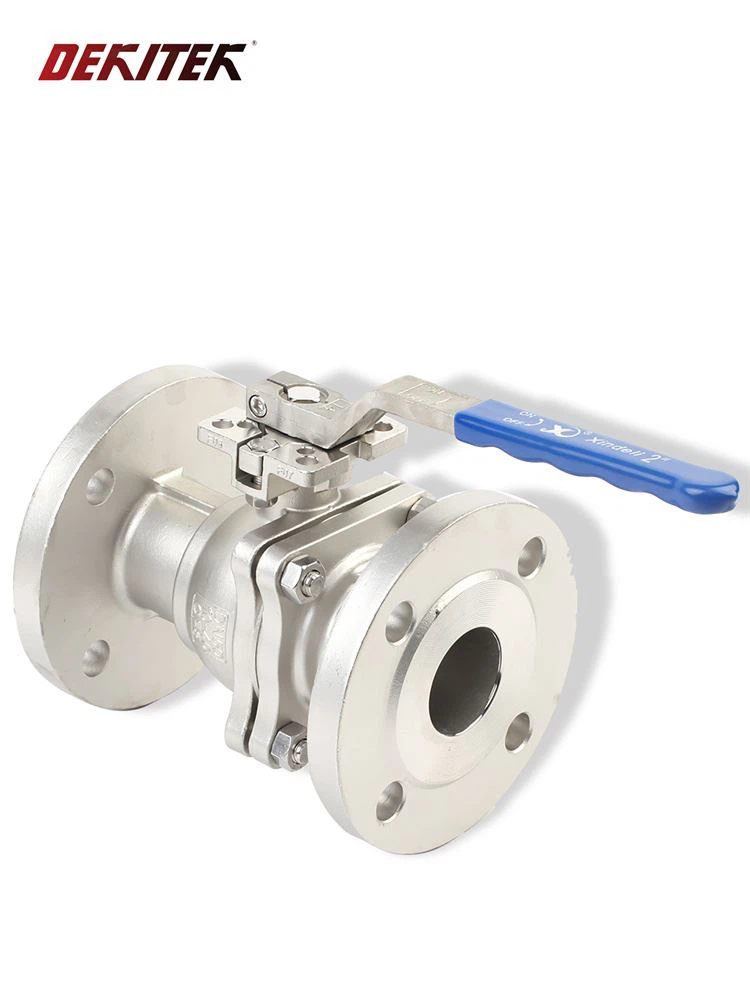
First, it's essential to grasp the basic design and functionality of a forged floating soft seated ball valve. A forged floating ball valve is crafted through a forging process, which involves shaping metal by applying compressive forces. This process generally results in a valve body with superior strength and integrity compared to other manufacturing methods like casting.
The "floating" aspect means that the ball is not fixed in place by trunnions at the top and bottom. Instead, the ball is free to float within the valve body and is sealed against the downstream seat by the fluid pressure. The soft seat, typically made of materials such as PTFE (Polytetrafluoroethylene) or other elastomers, provides a tight seal when in contact with the ball, preventing leakage.
High - Pressure Requirements and Challenges
High - pressure applications have stringent requirements. The valve must be able to withstand the intense forces exerted by the fluid without any compromise in its structural integrity or sealing performance. Some of the challenges in high - pressure situations include:
- Mechanical Stress: The high pressure can cause significant mechanical stress on the valve body, seats, and ball. If the valve is not appropriately designed and manufactured, it may crack or deform, leading to catastrophic failure.
- Sealing Integrity: Maintaining a tight seal under high pressure is crucial. The soft seat material may be at risk of extrusion or damage, which can result in leakage. Even a small amount of leakage in high - pressure systems can be extremely dangerous.
- Corrosion Resistance: High - pressure fluids often flow at high velocities, which can accelerate corrosion. The valve must have adequate corrosion resistance to ensure long - term operation.
Advantages of Forged Floating Soft Seated Ball Valves for High - Pressure Applications
Despite the challenges, forged floating soft seated ball valves have several advantages that make them potentially suitable for high - pressure applications:
- Strength: The forging process imparts high strength to the valve body. Forged components generally have a dense and homogeneous grain structure, which enhances their ability to withstand high pressure. This means that the valve is less likely to fracture under the intense forces.
- Tight Sealing: The soft seat materials used in these valves can conform to the surface of the ball, providing an excellent seal. Even in high - pressure environments, they can effectively prevent leakage, making them suitable for applications where zero - leakage is a requirement.
- Cost - Effectiveness: Compared to some other high - pressure valve types, forged floating soft seated ball valves can be a more cost - effective solution while still providing good performance.
Limitations of Forged Floating Soft Seated Ball Valves in High - Pressure Environments
However, there are also limitations to consider:
- Soft Seat Temperature and Pressure Limitations: The soft seat materials have specific temperature and pressure ratings. At very high pressures and temperatures, they may lose their elasticity or even melt. For example, PTFE has a relatively low melting point, which restricts its use in extremely high - temperature and high - pressure applications.
- Extrusion Risk: The high pressure can cause the soft seat to extrude into the clearance between the ball and the seat. This extrusion can damage the seat and lead to leakage. Special seat designs or the use of seat retainers may be required to mitigate this risk.
Mitigating the Limitations
To make forged floating soft seated ball valves viable for high - pressure applications, several strategies can be employed:
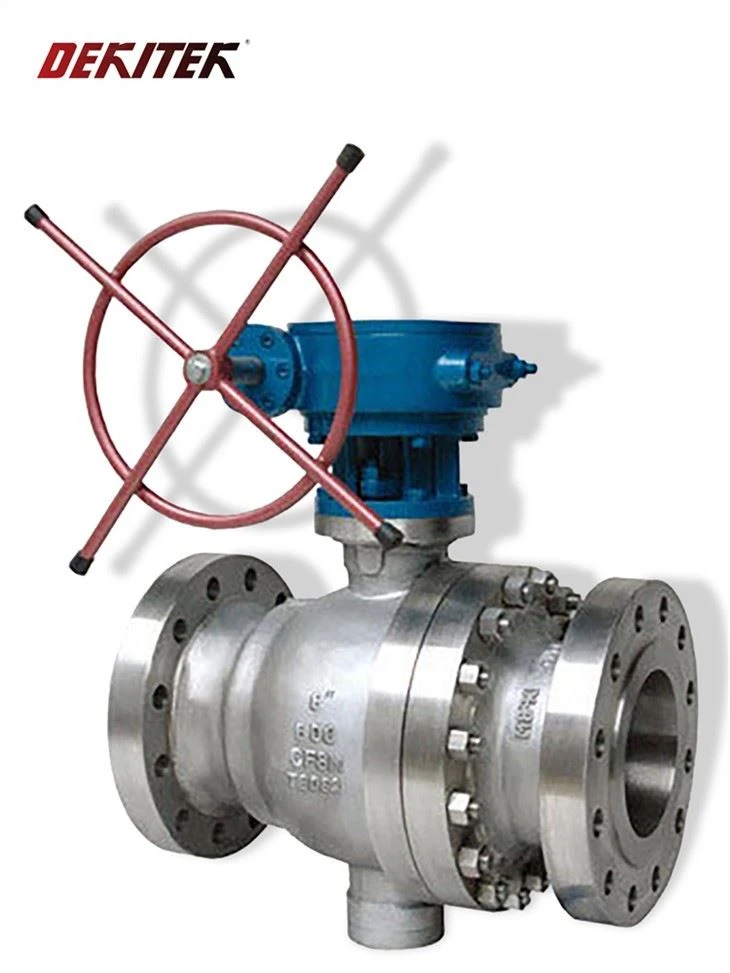
- Material Selection: Selecting high - performance soft seat materials that can withstand higher pressures and temperatures is crucial. Some advanced elastomers offer better thermal and mechanical properties compared to traditional PTFE.
- Seat Design: Using innovative seat designs, such as double - piston effect seats or seats with reinforced structures, can prevent extrusion and enhance sealing performance under high pressure.
- Quality Control: Rigorous quality control during the manufacturing process is essential. This includes non - destructive testing, such as ultrasonic testing and radiographic testing, to detect any internal defects in the forged components.
Comparison with Other Valve Types
When considering high - pressure applications, it's also useful to compare forged floating soft seated ball valves with other valve types.
- Fully Welded Ball Valve: Fully welded ball valves are known for their high - integrity design. They are often used in high - pressure and high - temperature applications, especially in pipeline systems. However, they may be more expensive and complex to install compared to forged floating soft seated ball valves.
- Trunnion Mounted Metal Seated Forged Ball Valve: Trunnion - mounted metal seated forged ball valves are suitable for very high - pressure and abrasive applications. The metal seats can withstand higher temperatures and pressures compared to soft seats. But they may have a higher initial cost and may not provide as tight a seal as soft - seated valves in some cases.
- Cast Steel Soft Seated Floating Ball Valve: Cast steel soft seated floating ball valves are generally less expensive than forged valves. However, the casting process may introduce porosity and other defects, making them less suitable for extremely high - pressure applications compared to forged floating soft seated ball valves.
Case Studies
There are numerous real - world examples where forged floating soft seated ball valves have been successfully used in high - pressure applications. In the oil and gas industry, for instance, these valves are used in low - to medium - high - pressure wellhead control systems. By following proper material selection, design, and installation practices, they have provided reliable service for many years.
Conclusion
In conclusion, a forged floating soft seated ball valve can be used for high - pressure applications, but it depends on several factors. With proper material selection, seat design, and manufacturing quality control, these valves can offer a cost - effective and reliable solution for many high - pressure situations. However, it's important to assess the specific requirements of the application, including the pressure range, temperature, fluid properties, and flow characteristics, to determine if a forged floating soft seated ball valve is the most suitable choice.
If you are considering using forged floating soft seated ball valves for your high - pressure applications, I encourage you to contact me. We have a team of experts who can help you evaluate your needs and provide customized solutions. Whether you need advice on valve selection, design, or want to discuss potential challenges, we are here to assist you. Start the conversation and let's find the best valve solution for your project together.
References
- Valve Handbook, by Dietrich Stoffel
- "Design and Analysis of Valves for High - Pressure Applications" - Journal of Fluid Mechanics and Applications