


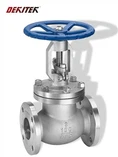

When it comes to butterfly valves, one of the most crucial factors that determine their performance and longevity is corrosion resistance. The valve body material plays a pivotal role in this regard. As a reputable butterfly valve supplier, I've witnessed firsthand how different materials can significantly impact a valve's ability to withstand corrosion. In this blog post, I'll delve into the effects of various valve body materials on a butterfly valve's corrosion resistance.
Understanding Corrosion in Butterfly Valves
Corrosion is a natural process that occurs when metals react with their environment, leading to the deterioration of the material. In the context of butterfly valves, corrosion can cause a range of issues, from reduced flow control efficiency to complete valve failure. The type of corrosion a valve experiences depends on several factors, including the nature of the fluid it handles, the temperature and pressure conditions, and the presence of contaminants.
Common Valve Body Materials and Their Corrosion Resistance
Cast Iron
Cast iron is a traditional material used in the manufacturing of butterfly valves. It is known for its strength and affordability. However, cast iron is prone to corrosion, especially in environments with high humidity, acidic or alkaline fluids, or the presence of salts. The corrosion of cast iron can lead to the formation of rust, which can compromise the valve's structural integrity and performance. In applications where the fluid is relatively clean and non - corrosive, such as in some water supply systems, cast iron butterfly valves can still be a viable option. But for more demanding environments, other materials are often preferred.
Ductile Iron
Ductile iron is an improvement over cast iron in terms of corrosion resistance. It has a more uniform and fine - grained structure, which makes it less susceptible to cracking and corrosion. Ductile iron can be coated with various protective layers, such as epoxy or zinc, to further enhance its corrosion resistance. These coatings act as a barrier between the metal and the corrosive environment, reducing the rate of corrosion. Ductile iron butterfly valves are commonly used in water treatment plants, wastewater systems, and some industrial applications where the fluid is not highly corrosive.
Stainless Steel
Stainless steel is a popular choice for butterfly valves in corrosive environments. It contains chromium, which forms a thin, passive oxide layer on the surface of the metal. This oxide layer protects the underlying metal from further corrosion. Different grades of stainless steel offer varying levels of corrosion resistance. For example, 304 stainless steel is suitable for many general - purpose applications, including food and beverage processing, where the fluid is relatively mild. On the other hand, 316 stainless steel, which contains molybdenum, has enhanced resistance to pitting and crevice corrosion, making it ideal for applications involving seawater, chemical processing, and pharmaceutical industries.
Aluminum Bronze
Aluminum bronze is a copper - based alloy that offers excellent corrosion resistance, especially in marine and other harsh environments. It forms a protective oxide layer on its surface, similar to stainless steel. Aluminum bronze butterfly valves are resistant to corrosion by seawater, brine, and many chemical solutions. They are often used in offshore oil and gas platforms, shipbuilding, and desalination plants. However, aluminum bronze is more expensive than some other materials, which may limit its use in cost - sensitive applications.
Titanium
Titanium is a high - performance material with exceptional corrosion resistance. It forms a stable oxide layer that provides excellent protection against a wide range of corrosive substances, including strong acids, alkalis, and seawater. Titanium butterfly valves are used in extremely corrosive environments, such as in the chemical and petrochemical industries, where other materials would quickly fail. However, titanium is also very expensive, and its high cost can be a significant drawback for some applications.
Impact of Valve Body Material on Long - Term Performance
The choice of valve body material has a direct impact on the long - term performance of a butterfly valve. A valve made from a material with poor corrosion resistance will require more frequent maintenance and replacement. Corrosion can cause the valve to stick, leak, or lose its ability to control the flow accurately. This not only leads to increased operational costs but also poses a risk to the safety and efficiency of the entire system.
For example, in a chemical processing plant, if a butterfly valve made of a low - grade material is used to handle a corrosive chemical, it may corrode within a short period. This can result in the leakage of the chemical, which is not only a safety hazard but can also contaminate the environment. On the other hand, a valve made from a corrosion - resistant material, such as stainless steel or titanium, can last for many years with minimal maintenance, ensuring the smooth operation of the process.
Real - World Applications and Material Selection
Let's consider some real - world applications and the appropriate valve body materials for each:
- Water Treatment Plants: In water treatment plants, the water is usually treated to remove impurities. Ductile iron butterfly valves with epoxy coatings are commonly used in these applications. They are cost - effective and can withstand the relatively mild corrosive conditions of treated water.
- Marine Applications: For marine applications, such as in ships or offshore platforms, aluminum bronze or stainless steel (especially 316 grade) butterfly valves are preferred. These materials can resist the corrosive effects of seawater, which contains high levels of salts and other corrosive substances.
- Chemical Processing Industries: In chemical processing, where the fluids can be highly corrosive, stainless steel (316 or higher grades) or titanium butterfly valves are often used. These materials can withstand the harsh chemical environments and ensure the safe and efficient operation of the processes.
Our Product Offerings
As a butterfly valve supplier, we offer a wide range of butterfly valves with different valve body materials to meet the diverse needs of our customers. Our Triple Offset Wafer Type Butterfly Valve is available in various materials, including stainless steel and aluminum bronze, making it suitable for different applications. The triple - offset design provides excellent sealing performance and is highly resistant to wear and corrosion.
Our Flange End Metal Sealing Butterfly Valve is another popular product. It can be made from materials like ductile iron and stainless steel, offering reliable sealing and long - term performance in different environments.


We also offer Lug Type Metal Sealing Butterfly Valve in multiple valve body materials. The lug type design allows for easy installation and maintenance, and the choice of material ensures corrosion resistance according to the specific application requirements.
Conclusion and Call to Action
In conclusion, the valve body material has a profound effect on a butterfly valve's corrosion resistance. Choosing the right material is essential for ensuring the long - term performance, reliability, and safety of the valve. Whether you are in the water treatment, marine, chemical, or any other industry, we have the expertise and the product range to provide you with the most suitable butterfly valves.
If you are looking for high - quality butterfly valves with excellent corrosion resistance, we invite you to contact us for a detailed discussion about your specific requirements. Our team of experts can help you select the right valve body material and the appropriate valve type for your application. We are committed to providing you with the best products and services to meet your needs.
References
- Fontana, M. G. (1986). Corrosion Engineering. McGraw - Hill.
- Uhlig, H. H., & Revie, R. W. (1985). Corrosion and Corrosion Control: An Introduction to Corrosion Science and Engineering. Wiley.
- ASM Handbook Committee. (1996). ASM Handbook Volume 13A: Corrosion: Fundamentals, Testing, and Protection. ASM International.