


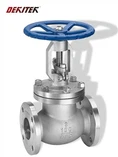

When it comes to industrial applications, the use of electric actuator gate valves in two-phase flow scenarios presents a unique set of challenges. As a supplier of electric actuator gate valves, I've witnessed firsthand the complexities that arise in these situations. In this blog, I'll delve into the key challenges and provide insights based on our experience in the field.
Understanding Two-Phase Flow
Two-phase flow refers to the simultaneous flow of two distinct phases, typically a liquid and a gas or a liquid and a solid. This type of flow is common in many industries, including oil and gas, chemical processing, and power generation. In these applications, electric actuator gate valves are often used to control the flow of the two-phase mixture. However, the characteristics of two-phase flow can pose significant challenges to the performance and reliability of these valves.
Flow Regime Variations
One of the primary challenges when using electric actuator gate valves for two-phase flow applications is the wide range of flow regimes that can occur. Two-phase flow can exhibit different patterns, such as bubbly flow, slug flow, stratified flow, and annular flow, depending on factors such as the flow rates of the two phases, the fluid properties, and the pipe geometry. These flow regime variations can have a profound impact on the valve's performance.
For example, in slug flow, large slugs of liquid alternate with pockets of gas. This can cause sudden changes in pressure and flow rate, which may lead to valve chattering or instability. The valve may also experience uneven wear due to the impact of the slugs on the valve seat and disc. In annular flow, the liquid phase forms a thin film along the pipe wall, while the gas phase flows in the center. This can result in poor sealing performance of the valve, as the liquid film may prevent the valve disc from making proper contact with the seat.
Erosion and Corrosion
Another significant challenge in two-phase flow applications is erosion and corrosion. The presence of solid particles or abrasive fluids in the two-phase mixture can cause erosion of the valve components, especially the valve seat and disc. Erosion can lead to a reduction in the valve's flow capacity, increased leakage, and ultimately, valve failure.
Corrosion is also a concern, particularly in applications where the two-phase mixture contains corrosive substances such as acids or salts. The combination of erosion and corrosion can accelerate the degradation of the valve materials, reducing the valve's service life and reliability. To mitigate these issues, it's important to select valve materials that are resistant to erosion and corrosion. For example, Stainless Steel Pressure Seal Gate Valve are often used in corrosive environments due to their excellent corrosion resistance properties.
Cavitation
Cavitation is a phenomenon that can occur in two-phase flow applications when the pressure in the fluid drops below the vapor pressure of the liquid phase. This causes the formation of vapor bubbles, which can collapse violently when they enter a region of higher pressure. The collapse of these bubbles can generate high-pressure shock waves that can damage the valve components, leading to pitting, erosion, and noise.


Cavitation is more likely to occur in applications where the valve is operated at high pressure drops or in systems with high fluid velocities. To prevent cavitation, it's important to select a valve with a suitable flow coefficient (Cv) and to ensure that the valve is operated within its recommended pressure and flow range. Additionally, the use of cavitation-resistant valve designs, such as multi-stage or anti-cavitation trims, can help to reduce the risk of cavitation.
Actuator Sizing and Control
Proper sizing and control of the electric actuator are crucial for the reliable operation of the gate valve in two-phase flow applications. The actuator must be able to provide sufficient torque to open and close the valve against the forces exerted by the two-phase flow. In two-phase flow, the forces acting on the valve can be highly variable due to the flow regime variations and the presence of slugs or solid particles.
If the actuator is undersized, it may not be able to overcome these forces, resulting in incomplete valve opening or closing. On the other hand, an oversized actuator can lead to excessive wear on the valve components and increased energy consumption. To ensure proper actuator sizing, it's important to consider factors such as the valve size, the pressure differential across the valve, the friction forces within the valve, and the dynamic forces generated by the two-phase flow.
In addition to sizing, the control system of the electric actuator must be able to respond quickly and accurately to changes in the flow conditions. The actuator should be able to adjust the valve position in real-time to maintain the desired flow rate and pressure. This requires a sophisticated control algorithm and a reliable feedback mechanism, such as a position sensor or a pressure sensor.
Sealing Performance
Maintaining proper sealing performance is essential for the efficient operation of the gate valve in two-phase flow applications. The valve must be able to prevent leakage of the two-phase mixture, both during normal operation and when the valve is closed. However, the presence of two phases can make it challenging to achieve a reliable seal.
As mentioned earlier, the flow regime variations and the presence of liquid films or solid particles can interfere with the sealing surfaces of the valve. To improve the sealing performance, it's important to use high-quality sealing materials and to design the valve seat and disc with precision. For example, Duplex Stainless Steel Gate Valve are known for their excellent sealing properties and high resistance to wear and corrosion.
Maintenance and Inspection
Regular maintenance and inspection are essential for ensuring the long-term reliability of the electric actuator gate valve in two-phase flow applications. Due to the harsh operating conditions, the valve components are subject to wear, erosion, and corrosion, which can affect the valve's performance over time.
Maintenance tasks may include cleaning the valve components, lubricating the moving parts, and replacing worn or damaged seals and gaskets. Inspection should be carried out at regular intervals to detect any signs of damage or deterioration, such as cracks, pitting, or excessive wear. By performing regular maintenance and inspection, potential problems can be identified and addressed before they lead to valve failure.
Conclusion
Using electric actuator gate valves in two-phase flow applications presents a number of challenges, including flow regime variations, erosion and corrosion, cavitation, actuator sizing and control, sealing performance, and maintenance. However, with proper valve selection, design, and maintenance, these challenges can be effectively managed.
As a supplier of electric actuator gate valves, we understand the unique requirements of two-phase flow applications and are committed to providing high-quality valves that can withstand the harsh operating conditions. Our product range includes Stainless Steel Pressure Seal Gate Valve, Duplex Stainless Steel Gate Valve, and Pneumatic Actuator Gate Valve, which are designed to meet the specific needs of different industries.
If you're facing challenges in your two-phase flow applications or are looking for reliable gate valve solutions, we'd be happy to discuss your requirements and provide you with expert advice. Contact us today to start a conversation about how our electric actuator gate valves can help you achieve optimal performance and reliability in your operations.
References
- Shoham, O. (2006). Two-Phase Flow in Pipes: A Guide for the Practicing Engineer. Gulf Professional Publishing.
- Wallis, G. B. (1969). One-Dimensional Two-Phase Flow. McGraw-Hill.
- Miller, D. S. (1990). Flow Measurement Engineering Handbook. McGraw-Hill.