




Duplex steel globe valves are essential components in various industrial applications, renowned for their exceptional mechanical properties and corrosion resistance. Understanding the thermal expansion characteristics of these valves is crucial for ensuring their reliable performance under different operating conditions. As a leading supplier of duplex steel globe valves, I will delve into the details of these characteristics and their implications for valve design and operation.
1. Introduction to Duplex Steel Globe Valves
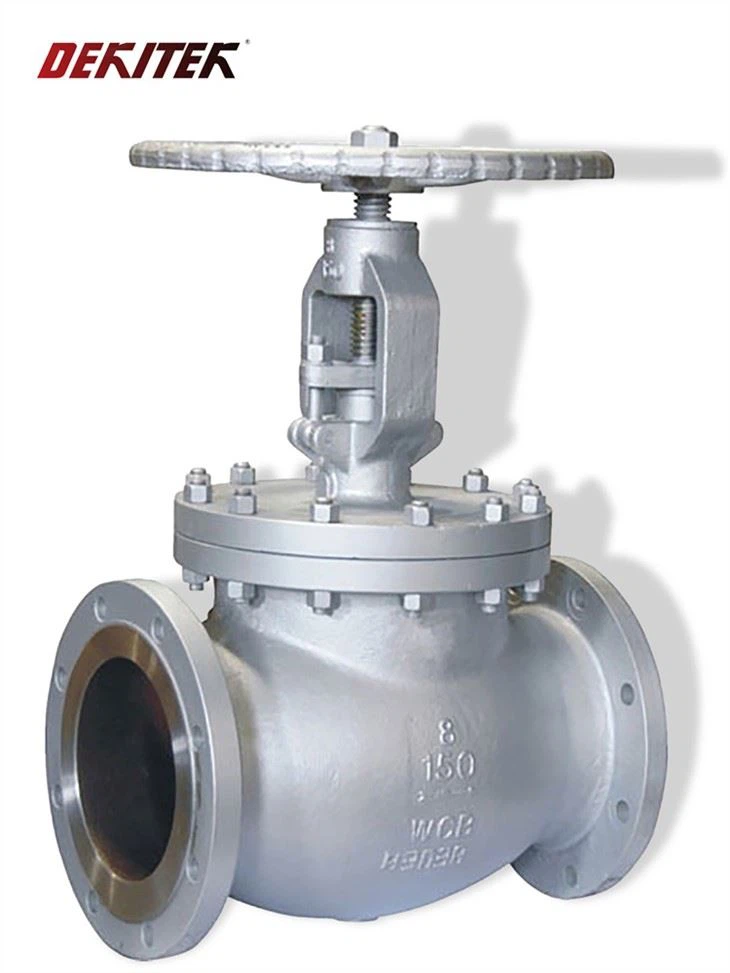
Duplex steel globe valves are designed to regulate the flow of fluids in pipelines. They consist of a body, bonnet, stem, disc, and seat. The valve disc moves perpendicular to the seat to control the flow rate. Duplex steel, a combination of austenitic and ferritic stainless steels, offers a unique balance of strength, toughness, and corrosion resistance. This makes duplex steel globe valves suitable for use in harsh environments, such as offshore oil and gas platforms, chemical processing plants, and power generation facilities.
2. Thermal Expansion Basics
Thermal expansion is the tendency of matter to change in volume or length in response to a change in temperature. When a material is heated, its atoms vibrate more vigorously, causing the material to expand. Conversely, when a material is cooled, its atoms vibrate less, and the material contracts. The amount of expansion or contraction depends on the material's coefficient of thermal expansion (CTE), which is defined as the fractional change in length or volume per unit change in temperature.
3. Thermal Expansion Characteristics of Duplex Steel
Duplex steel has a relatively low coefficient of thermal expansion compared to other metals. This is due to its unique microstructure, which consists of a mixture of austenitic and ferritic phases. The austenitic phase has a higher CTE than the ferritic phase, but the overall CTE of duplex steel is lower than that of pure austenitic stainless steel. This low CTE makes duplex steel globe valves less prone to thermal stress and distortion, which can improve their durability and reliability.
4. Impact of Thermal Expansion on Duplex Steel Globe Valves
The thermal expansion characteristics of duplex steel have several implications for the design and operation of globe valves.
4.1. Clearance Design
During valve design, engineers must consider the thermal expansion of the valve components to ensure proper clearance between the moving parts. If the clearance is too small, the valve may seize or bind when it expands due to temperature changes. On the other hand, if the clearance is too large, the valve may leak or have poor sealing performance. By accurately calculating the thermal expansion of the duplex steel components, designers can optimize the clearance to ensure smooth operation and reliable sealing.
4.2. Bolt Tightening
The thermal expansion of the valve body and bonnet can also affect the bolt tightening torque. As the valve heats up, the bolts may expand, causing the tightening torque to decrease. This can lead to loose bolts and potential leakage. To prevent this, it is important to use proper bolt tightening procedures and to retighten the bolts after the valve has reached its operating temperature.
4.3. Operating Temperature Range
The thermal expansion characteristics of duplex steel limit the operating temperature range of the globe valve. If the temperature exceeds the recommended range, the valve may experience excessive expansion, which can cause deformation, cracking, or failure. Therefore, it is crucial to select a duplex steel globe valve with a suitable temperature rating for the specific application.
5. Comparison with Other Types of Globe Valves
When comparing duplex steel globe valves with other types of globe valves, such as Alloy Steel Globe Valve and Cast Steel Globe Valve, the thermal expansion characteristics play an important role.
Alloy steel globe valves typically have a higher coefficient of thermal expansion than duplex steel globe valves. This means that they are more prone to thermal stress and distortion, especially in applications with large temperature variations. Cast steel globe valves also have a relatively high CTE, which can lead to similar issues. In contrast, the low CTE of duplex steel makes it a better choice for applications where thermal stability is critical.
6. Applications and Benefits of Duplex Steel Globe Valves
The unique thermal expansion characteristics of duplex steel globe valves make them well-suited for a wide range of applications.
6.1. Offshore Oil and Gas
In offshore oil and gas platforms, the temperature can vary significantly between the wellhead and the processing facilities. Duplex steel globe valves can withstand these temperature variations without experiencing excessive thermal stress, ensuring reliable operation and preventing leaks.

6.2. Chemical Processing
Chemical processing plants often operate at high temperatures and pressures. The corrosion resistance and low thermal expansion of duplex steel make it an ideal material for globe valves used in these harsh environments.
6.3. Power Generation
Power generation facilities, such as nuclear power plants and thermal power plants, require valves that can operate reliably under extreme temperature conditions. Duplex steel globe valves can provide the necessary thermal stability and durability for these applications.
7. Conclusion and Call to Action
In conclusion, the thermal expansion characteristics of duplex steel globe valves are an important factor to consider when selecting valves for industrial applications. The low coefficient of thermal expansion of duplex steel makes these valves less prone to thermal stress and distortion, improving their durability and reliability. By understanding these characteristics, engineers can design and operate duplex steel globe valves more effectively.
If you are in the market for high-quality duplex steel globe valves or other types of Alloy Steel Globe Valve, I invite you to contact us for more information. Our team of experts can help you select the right valve for your specific application and provide you with professional technical support. We look forward to the opportunity to work with you and contribute to the success of your projects.
References
- ASM Handbook Volume 1: Properties and Selection: Irons, Steels, and High-Performance Alloys
- ASTM International Standards for Stainless Steels
- Valve Handbook, 4th Edition by Robert W. Fischer, David M. Nagel, and Allan R. Leishear