


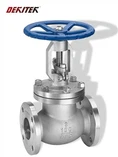

Hey there! As a supplier of stainless steel globe valves, I've seen firsthand the importance of safety when it comes to using these valves. In this blog post, I'll share some key safety considerations that you should keep in mind.
1. Installation Safety
First off, getting the installation right is crucial. A poorly installed valve can lead to all sorts of problems down the line.
- Proper Alignment: Make sure the valve is correctly aligned with the pipeline. Misalignment can cause stress on the valve body and connections, increasing the risk of leaks. For example, if the valve isn't in line with the pipes, it can put extra pressure on the seals, which might break over time.
- Correct Torque: When tightening the bolts and nuts during installation, use the right amount of torque. Too little torque can result in loose connections that may leak, while too much can damage the valve or the flange. Always refer to the manufacturer's specifications for the recommended torque values.
- Clean Environment: Install the valve in a clean environment. Any dirt, debris, or foreign particles can get inside the valve and interfere with its operation. For instance, a small piece of grit could prevent the valve disc from seating properly, leading to a leak.
2. Operating Conditions
Understanding and controlling the operating conditions is essential for the safe use of stainless steel globe valves.
- Pressure Limits: Every valve has a maximum pressure rating. Exceeding this limit can cause the valve to fail catastrophically. You need to know the pressure in your system and choose a valve that can handle it. For example, if your system operates at high pressure, you might want to consider a Cast Steel Globe Valve which is designed to withstand such conditions.
- Temperature Range: Stainless steel globe valves have a specific temperature range within which they can operate safely. Extreme temperatures can affect the material properties of the valve. High temperatures can cause the metal to expand, which might lead to leaks or even deformation of the valve components. On the other hand, low temperatures can make the metal brittle and more prone to cracking.
- Fluid Compatibility: The fluid flowing through the valve must be compatible with the valve material. Some chemicals can corrode stainless steel over time. For example, certain acids or alkaline solutions might eat away at the valve, reducing its lifespan and compromising its safety. If you're dealing with aggressive fluids, you might look into an Alloy Steel Globe Valve which offers better corrosion resistance.
3. Maintenance and Inspection
Regular maintenance and inspection are vital to ensure the continued safe operation of the valve.


- Visual Inspections: Conduct regular visual inspections of the valve. Look for signs of wear, corrosion, or damage. Check the valve body, the stem, and the connections. A crack in the valve body or a worn - out stem packing can indicate potential problems.
- Lubrication: If the valve has moving parts, proper lubrication is necessary. Lubrication reduces friction and wear, ensuring smooth operation. However, use the right type of lubricant that is compatible with the valve material and the fluid in the system.
- Testing: Periodically test the valve to make sure it is functioning correctly. This can include pressure testing and flow testing. For example, a pressure test can help you detect any leaks in the valve, while a flow test can verify that the valve can control the flow as intended.
4. Handling and Storage
How you handle and store the valve also impacts its safety.
- Careful Handling: When moving the valve, be careful not to drop it or subject it to excessive shock. A hard impact can damage the internal components of the valve, such as the disc or the seat.
- Proper Storage: Store the valve in a dry, clean place. If it's going to be stored for a long time, protect it from the elements. You can use a protective covering to prevent dust, moisture, and corrosion.
5. Operator Training
Last but not least, the people operating the valve need to be properly trained.
- Knowledge of Valve Operation: Operators should understand how the valve works, including how to open and close it correctly. They should also know the normal operating parameters and what to do in case of an emergency.
- Safety Procedures: Train operators on safety procedures, such as how to handle a valve leak or a pressure surge. Having a well - trained operator can prevent many potential accidents.
In conclusion, safety when using a stainless steel globe valve is a multi - faceted issue. It involves proper installation, understanding and controlling operating conditions, regular maintenance and inspection, careful handling and storage, and adequate operator training. By paying attention to these safety considerations, you can ensure the long - term, safe operation of your valve.
If you're in the market for high - quality stainless steel globe valves or Cast Steel Globe Valve, feel free to reach out to us. We're here to help you find the right valve for your needs and ensure that you get the best performance and safety.
References
- Valve Handbook, various editions
- Manufacturer's installation and operation manuals for stainless steel globe valves