




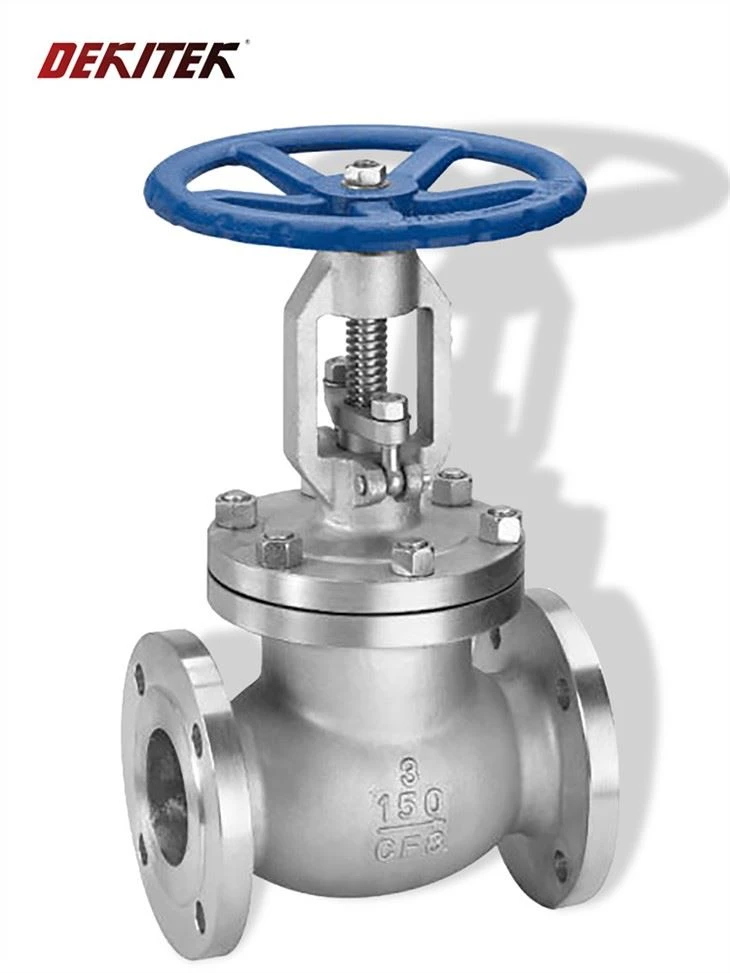
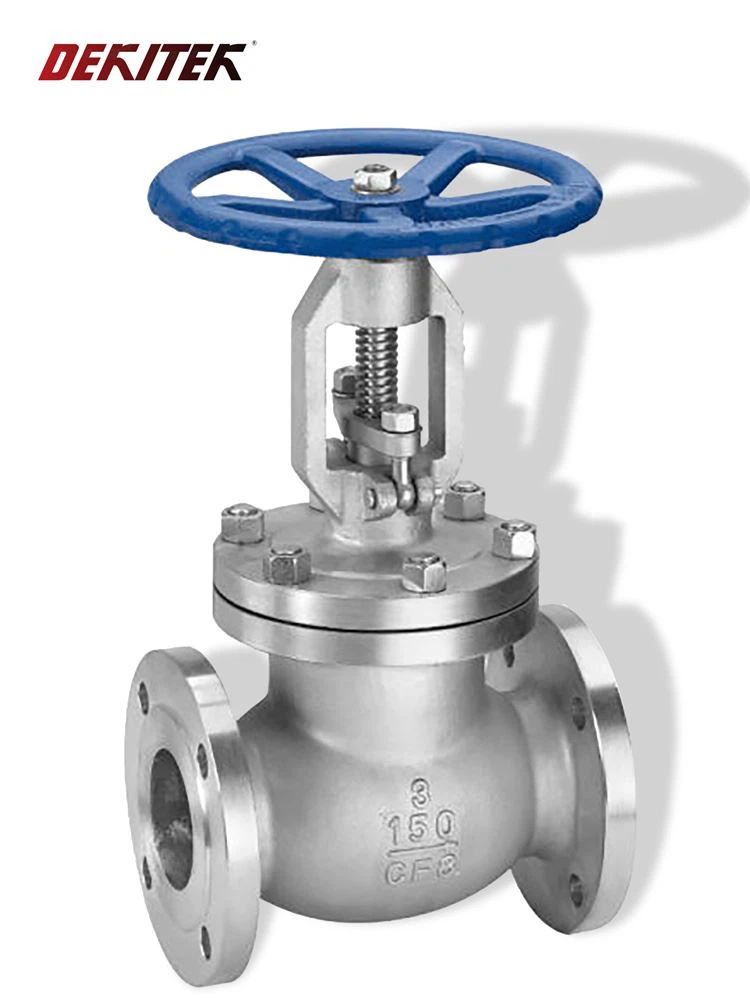
Hey there! As a supplier of Stainless Steel Globe Valve, I often get asked about the materials used for the seat of a stainless steel globe valve. Well, let's dive right into it and explore the different materials that make these valve seats tick.
First off, let's understand the importance of the valve seat. The seat is a critical component of a globe valve as it provides the sealing surface between the valve disc and the valve body. A good seat ensures a tight shut - off, preventing leakage of the fluid flowing through the valve.
1. Stainless Steel
You might be thinking, "Well, it's a stainless steel globe valve, so of course, the seat is made of stainless steel!" And you're partly right. Stainless steel is a popular choice for valve seats, and for good reasons.
Stainless steel offers excellent corrosion resistance. This means that it can withstand exposure to various corrosive fluids, such as acids, alkalis, and saltwater. For example, in the chemical industry, where there are often aggressive chemicals flowing through the pipelines, stainless steel seats can prevent the valve from deteriorating quickly.
There are different grades of stainless steel used for valve seats. Common grades include 304 and 316. Grade 304 stainless steel is a general - purpose grade that provides good corrosion resistance in many applications. It contains about 18% chromium and 8% nickel. On the other hand, 316 stainless steel is more corrosion - resistant, especially in environments containing chlorides. It has a higher nickel content and also contains molybdenum, which enhances its resistance to pitting and crevice corrosion.
Another advantage of stainless steel seats is their strength. They can withstand high pressures and temperatures, making them suitable for a wide range of industrial applications. Whether it's a high - pressure steam system or a hot water pipeline, stainless steel seats can hold up well.
2. Alloy Steels
Alloy steels are also used for valve seats, especially in applications where high - temperature and high - pressure resistance are required. Alloy steels are made by adding various alloying elements to carbon steel to improve its properties.
One common alloy steel used for valve seats is chrome - molybdenum steel. This type of steel has excellent high - temperature strength and creep resistance. In power generation plants, where steam is generated at very high temperatures and pressures, chrome - molybdenum steel seats can ensure the reliable operation of the globe valves.
Alloy steels can be heat - treated to further enhance their hardness and strength. Heat treatment processes such as quenching and tempering can make the seat surface harder, which is beneficial for withstanding the wear and tear caused by the repeated opening and closing of the valve.
3. Non - Metallic Materials
Non - metallic materials are often used in valve seats when specific properties are required, such as low friction or excellent chemical resistance in certain non - corrosive environments.
PTFE (Polytetrafluoroethylene)
PTFE is a well - known non - metallic material used for valve seats. It has extremely low friction, which means that the valve disc can move smoothly across the seat, reducing the operating torque required to open and close the valve. This is particularly useful in applications where manual operation of the valve is common.
PTFE also has excellent chemical resistance. It can resist a wide range of chemicals, including many organic solvents and acids. However, PTFE has a relatively low temperature limit. It is typically suitable for applications where the temperature does not exceed around 260°C (500°F).
Rubber
Rubber is another non - metallic material used for valve seats, especially in applications where a tight seal is required for low - pressure and low - temperature fluids. Natural rubber and synthetic rubbers like EPDM (Ethylene Propylene Diene Monomer) are commonly used.
EPDM rubber has good resistance to weathering, ozone, and many chemicals. It can provide a tight seal even in irregularly shaped valve seats. In water treatment plants, rubber - seated globe valves are often used to control the flow of water and other non - corrosive fluids.
4. Stellite
Stellite is a cobalt - based alloy that is known for its excellent wear resistance, high - temperature hardness, and corrosion resistance. It is often used in valve seats for applications where there is a lot of abrasive material in the fluid or where the valve is subject to high - velocity flow.
In the mining industry, where slurries containing abrasive particles are transported through pipelines, stellite - seated globe valves can last much longer than valves with other types of seats. Stellite can also withstand high - temperature oxidation, making it suitable for applications in high - temperature steam systems.
Choosing the Right Material
When it comes to choosing the right material for the seat of a stainless steel globe valve, several factors need to be considered.
The type of fluid flowing through the valve is crucial. If the fluid is corrosive, a corrosion - resistant material like stainless steel or PTFE might be the best choice. For high - temperature applications, alloy steels or stellite could be more appropriate.
The pressure and temperature conditions of the system also play a significant role. High - pressure and high - temperature applications require materials with high strength and good thermal stability.
The frequency of valve operation is another factor. If the valve is opened and closed frequently, a wear - resistant material like stellite or heat - treated alloy steel might be necessary to ensure a long service life.
As a supplier of Stainless Steel Globe Valve, we have a wide range of valve seats made from different materials to meet the diverse needs of our customers. Whether you need a valve for a chemical plant, a power generation facility, or a water treatment plant, we can provide the right solution.
If you're also interested in Cast Steel Globe Valve, we can offer those too. Our team of experts can help you select the most suitable valve seat material based on your specific application requirements.
If you're in the market for high - quality stainless steel globe valves or have any questions about valve seat materials, don't hesitate to reach out. We're here to assist you with your procurement needs and ensure that you get the best valve for your system.
References
- ASME B16.34 - Valves - Flanged, Threaded, and Welding End
- API 600 - Steel Gate Valves - Flanged and Butt - Welding Ends, Bolted Bonnet
- Valve Handbook by Ernest O. Smith