


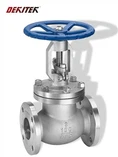

As a gate valve supplier, I've witnessed firsthand the widespread use and many advantages of gate valves in various industries. However, like any piece of equipment, gate valves are not without their drawbacks. In this blog post, I'll delve into the disadvantages of gate valves to provide a comprehensive understanding for potential buyers and industry professionals.
1. Slow Operation
One of the primary disadvantages of gate valves is their relatively slow operation. Unlike some other types of valves, such as ball valves or butterfly valves, gate valves require multiple turns of the handwheel or actuator to fully open or close. This slow operation can be a significant limitation in applications where quick response times are crucial, such as emergency shut - off situations. For example, in a chemical processing plant, if there is a sudden leak, a gate valve may not be able to close fast enough to prevent the spread of hazardous materials.
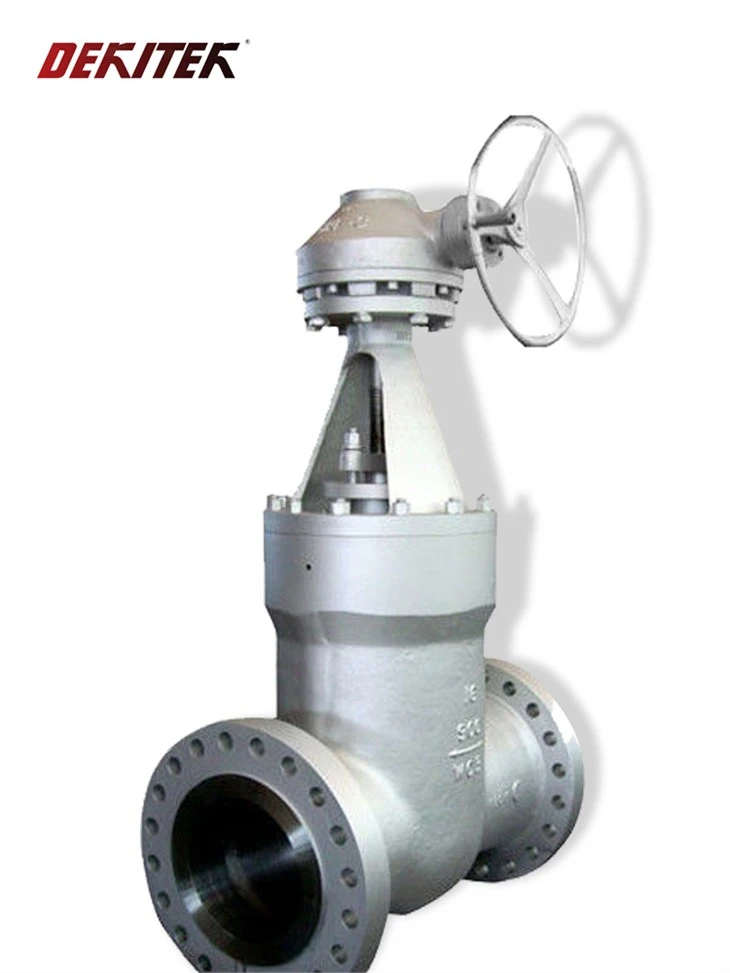

The reason behind this slow operation lies in the design of the gate valve. The gate, which is the moving part that controls the flow of fluid, needs to travel a relatively long distance to fully open or close. Each turn of the handwheel or actuator moves the gate a small amount, and it can take several turns to achieve the desired position. This characteristic makes gate valves less suitable for applications that demand rapid flow control.
2. Limited Throttling Capability
Gate valves are not well - suited for throttling applications. Throttling refers to the process of adjusting the flow rate of a fluid by partially opening or closing the valve. When a gate valve is partially open, the fluid flow creates a high - velocity stream that can cause erosion and vibration on the gate and seat. Over time, this can lead to damage to the valve components, reducing the valve's lifespan and potentially causing leakage.
The design of the gate valve is optimized for either full - open or full - closed positions. In the full - open position, the gate is completely retracted, allowing for unobstructed flow. In the full - closed position, the gate seals against the seat to prevent flow. When the valve is partially open, the fluid has to pass through a narrow opening, creating a high - pressure drop and turbulence. This turbulence can also cause noise and cavitation, which can further damage the valve and other components in the pipeline.
3. High Installation and Maintenance Requirements
Installing a gate valve can be more complex and costly compared to some other types of valves. Gate valves are typically larger and heavier, which requires more space and a more robust support structure. The installation process also involves precise alignment to ensure proper sealing and operation. If the valve is not installed correctly, it can lead to leakage, reduced performance, and premature failure.
Maintenance of gate valves is also relatively demanding. The internal components, such as the gate, seat, and stem, need to be inspected regularly for wear, corrosion, and damage. The packing around the stem, which prevents leakage along the stem, may need to be replaced periodically. Additionally, if the valve experiences problems such as leakage or difficulty in operation, disassembling and reassembling the valve can be a time - consuming and labor - intensive process.
4. Susceptibility to Water Hammer
Water hammer is a phenomenon that occurs when there is a sudden change in the flow velocity of a fluid in a pipeline. When a gate valve is closed rapidly, the sudden stop of the fluid flow can cause a pressure surge, known as water hammer. This pressure surge can be extremely high and can damage the valve, pipeline, and other equipment in the system.
The long travel time of the gate in a gate valve can sometimes exacerbate the water hammer effect. If the valve is closed too quickly, the fluid has no time to gradually slow down, resulting in a more severe pressure surge. To mitigate the water hammer effect, additional devices such as surge suppressors or slow - closing valves may be required, which adds to the overall cost and complexity of the system.
5. Limited Compatibility with Some Fluids
Gate valves may not be suitable for all types of fluids. For example, fluids with high viscosity or containing solid particles can cause problems for gate valves. High - viscosity fluids may not flow smoothly through the valve, and the gate may have difficulty moving, leading to poor sealing and reduced performance. Solid particles in the fluid can also get trapped between the gate and seat, preventing proper sealing and causing wear and damage to the valve components.
In applications where the fluid contains abrasive particles, such as in mining or wastewater treatment, the gate and seat of a gate valve can wear out quickly. This can lead to leakage and reduced valve life. Special coatings or materials may be required to improve the valve's resistance to wear, but this can increase the cost of the valve.
6. Cost Considerations
Although gate valves are widely used, they can be relatively expensive compared to some other types of valves. The cost of the valve itself, as well as the installation and maintenance costs, can be significant. For large - diameter gate valves or those made from special materials, the cost can be even higher.
When considering the cost of a gate valve, it's important to take into account the long - term operating costs. The potential for premature failure, the need for regular maintenance, and the additional cost of mitigating problems such as water hammer all contribute to the overall cost of ownership. In some cases, a more expensive valve may be a better investment in the long run if it offers better performance and reliability.
Despite these disadvantages, gate valves still have their place in many industries. They are well - suited for applications where full - open or full - closed service is required, such as in pipeline isolation. At our company, we offer a wide range of gate valves, including Duplex Stainless Steel Pressure Seal Gate Valve, Alloy Steel Pressure Seal Gate Valve, and Pneumatic Actuator Gate Valve. Our valves are designed and manufactured to the highest standards to ensure reliable performance.
If you're in the market for gate valves and want to discuss your specific requirements, we encourage you to reach out to us for a detailed consultation. Our team of experts can help you determine the most suitable valve for your application, taking into account both the advantages and disadvantages of gate valves.
References
- Crane Co., "Flow of Fluids Through Valves, Fittings, and Pipe," Technical Paper No. 410.
- Valve Manufacturers Association of America (VMAA), "Valve Handbook."
- ASME Standards, relevant sections on valve design and performance.