



Hey there! As a supplier of Top Entry Ball Valves, I've seen my fair share of issues with these valves not opening. It can be a real headache, but don't worry – I'm here to walk you through the troubleshooting process step by step.
1. Check the Manual Operator
First things first, take a look at the manual operator. If you've got a handwheel or a lever to open the valve, make sure it's not jammed or damaged. Sometimes, debris can get stuck in the mechanism, preventing it from turning smoothly. Try giving it a gentle nudge or a bit of a clean to see if that does the trick.

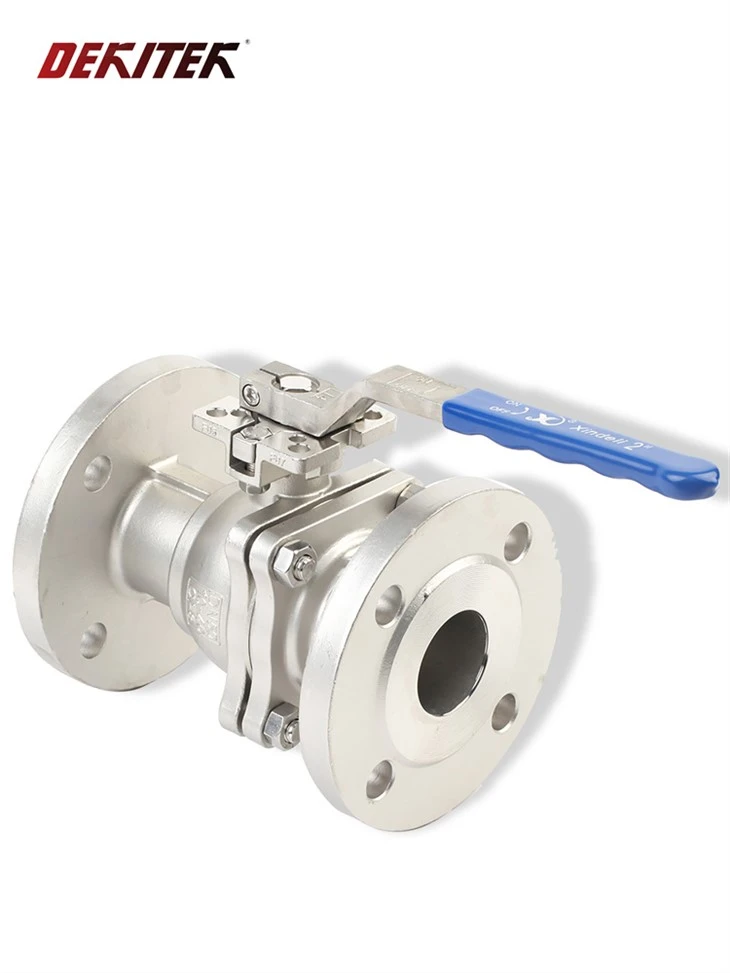
If the handwheel or lever feels loose or wobbly, it could be a sign of a problem with the connection between the operator and the valve stem. You might need to tighten some bolts or replace a coupling.
2. Examine the Valve Stem
The valve stem is what connects the operator to the ball inside the valve. It's crucial that it's in good working condition. Check for any signs of corrosion, wear, or damage. If the stem is bent or cracked, it won't be able to turn the ball properly, and the valve won't open.
In some cases, the stem might be seized due to lack of lubrication. You can try applying a high - quality lubricant to the stem and see if that frees it up. Just make sure to use a lubricant that's compatible with the materials of the valve.
3. Look for External Obstructions
Sometimes, the problem isn't with the valve itself but with something outside it. Check around the valve for any objects that might be blocking the operator or preventing the valve from moving. This could include pipes, brackets, or other equipment that has shifted or been installed incorrectly.
Also, look for any signs of physical damage to the valve body. A dented or cracked valve body can interfere with the movement of the ball and prevent the valve from opening. If you find any external damage, you'll need to assess whether the valve can be repaired or if it needs to be replaced.
4. Check the Ball and Seats
The ball and seats are the heart of the Top Entry Ball Valve. They need to be in perfect alignment for the valve to open and close properly. Inspect the ball for any signs of scratches, dents, or debris. Even a small piece of dirt or rust can prevent the ball from rotating freely.
The seats, which seal against the ball, also need to be in good condition. If the seats are worn or damaged, they might not allow the ball to move as it should. In some cases, you might be able to clean the ball and seats to remove any contaminants. However, if the damage is severe, you'll likely need to replace the seats or the entire valve.
5. Consider the Pressure and Temperature
Extreme pressure or temperature can cause problems with Top Entry Ball Valves. If the pressure on one side of the valve is too high, it can make it difficult to open the valve. Check the pressure gauges and make sure the valve is rated for the pressure and temperature conditions in your system.
If the pressure is too high, you might need to adjust the system to relieve some of the pressure before attempting to open the valve again. Similarly, if the temperature is outside the valve's operating range, it can cause the materials to expand or contract, affecting the valve's performance.
6. Electrical or Pneumatic Actuators (if applicable)
If your Top Entry Ball Valve is equipped with an electrical or pneumatic actuator, there are some additional things to check. For electrical actuators, make sure the power supply is working and that there are no loose connections or blown fuses.
For pneumatic actuators, check the air supply. Make sure there's enough air pressure and that there are no leaks in the air lines. You can use a leak detector to find any air leaks and then repair them.
7. Consult the Manufacturer's Manual
If you've gone through all these steps and still can't figure out why the valve won't open, it's a good idea to consult the manufacturer's manual. The manual will have specific troubleshooting tips and diagrams for your particular valve model. It can also provide information on the correct maintenance procedures and parts replacement.
Related Products
If you're in the market for other types of ball valves, we also offer some great options. Check out our Fully Welded Ball Valve, which is known for its durability and reliability. We also have the Cast Steel Metal Seated Floating Ball Valve and the Forged Floating Metal Seated Ball Valve, both of which are designed to handle tough applications.
Conclusion
Troubleshooting a Top Entry Ball Valve that won't open can be a challenging task, but by following these steps, you should be able to identify and fix the problem. Remember, if you're still having trouble or if you're not confident in your ability to repair the valve, it's always a good idea to consult a professional.
As a trusted supplier of Top Entry Ball Valves, we're here to help you with all your valve needs. Whether you need a replacement valve, parts, or just some expert advice, don't hesitate to get in touch with us. We're committed to providing high - quality products and excellent customer service. So, if you're looking to purchase Top Entry Ball Valves or any of our other products, feel free to reach out for a quote and let's start a great business partnership!
References
- Valve Handbook: A Guide to Valve Technology and Applications
- Manufacturer's documentation for Top Entry Ball Valves