


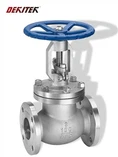

Hey there! As a supplier of API6D Flange End Swing Type Check Valves, I often get asked about the materials used in these valves. So, I thought I'd take a moment to break it down for you.
First off, let's talk about what an API6D Flange End Swing Type Check Valve is. This type of valve is designed to allow fluid to flow in one direction only, preventing backflow. The "swing type" means that it has a disc that swings open when the fluid is flowing in the correct direction and closes when the flow reverses. And the "API6D" refers to the American Petroleum Institute's specification for pipeline valves, which ensures that the valve meets certain quality and performance standards.
Now, let's get into the materials. The choice of material for an API6D Flange End Swing Type Check Valve depends on several factors, including the type of fluid being transported, the pressure and temperature of the system, and the environment in which the valve will be installed.
Body Material
The body of the valve is the main housing that contains all the internal components. It needs to be strong and durable enough to withstand the pressure and forces exerted by the fluid. One of the most common materials used for the body is carbon steel. Carbon steel is a popular choice because it's relatively inexpensive, easy to machine, and has good strength and corrosion resistance. It's suitable for a wide range of applications, including oil and gas pipelines, water treatment plants, and chemical processing facilities.
Another option is stainless steel. Stainless steel is more expensive than carbon steel, but it offers better corrosion resistance, especially in harsh environments where the fluid may be corrosive or where the valve will be exposed to moisture or chemicals. Stainless steel is often used in applications such as food and beverage processing, pharmaceutical manufacturing, and marine environments.
For high-temperature applications, alloy steel may be used. Alloy steel contains additional elements such as chromium, molybdenum, and nickel, which improve its strength and heat resistance. It can withstand temperatures up to several hundred degrees Celsius, making it suitable for use in power plants, refineries, and other high-temperature industrial processes.
Disc Material
The disc is the part of the valve that swings open and closed to control the flow of fluid. It needs to be able to seal tightly against the seat to prevent leakage and to withstand the impact of the fluid flow. Like the body, the disc can be made from a variety of materials.
Carbon steel is a common choice for the disc as well, especially in applications where cost is a major consideration. However, for applications where better corrosion resistance is required, stainless steel or other corrosion-resistant alloys may be used.
In some cases, the disc may be coated with a special material to improve its sealing performance and reduce wear. For example, a hard chrome plating can be applied to the disc to make it more resistant to abrasion and corrosion.
Seat Material
The seat is the surface against which the disc seals when the valve is closed. It needs to be smooth and flat to ensure a tight seal and to prevent leakage. The seat material is often chosen to match the disc material to ensure compatibility and good sealing performance.
Common seat materials include stainless steel, bronze, and PTFE (polytetrafluoroethylene). Stainless steel seats are durable and have good corrosion resistance, making them suitable for a wide range of applications. Bronze seats are also popular because they are relatively soft and can conform to the shape of the disc, providing a good seal. PTFE seats are known for their excellent chemical resistance and low friction, which can help to reduce wear on the disc and improve the valve's performance.
Stem and Bonnet Materials
The stem is the part of the valve that connects the disc to the actuator (if any) and allows the disc to be opened and closed. The bonnet is the cover that encloses the stem and other internal components. These parts also need to be made from materials that can withstand the pressure and forces exerted by the fluid and the operating environment.
Stainless steel is a common choice for the stem and bonnet because of its strength, corrosion resistance, and ease of machining. In some cases, other materials such as carbon steel or alloy steel may be used depending on the specific requirements of the application.
Why Choose Our API6D Flange End Swing Type Check Valves
At our company, we understand the importance of using high-quality materials in our valves. That's why we carefully select the materials for each component of our API6D Flange End Swing Type Check Valves to ensure that they meet or exceed the API 6D standards.
We offer a wide range of valve materials to suit different applications and customer requirements. Whether you need a valve for a low-pressure water system or a high-temperature, high-pressure oil and gas pipeline, we have the right solution for you.
In addition to our high-quality materials, we also have a team of experienced engineers and technicians who can help you select the right valve for your specific application. We can provide technical support and advice throughout the entire process, from valve selection to installation and maintenance.
If you're interested in learning more about our API6D Flange End Swing Type Check Valve or our other valve products, such as the API 6D BW Check Valve, please don't hesitate to contact us. We'd be happy to discuss your needs and provide you with a quote.


In conclusion, the material of an API6D Flange End Swing Type Check Valve is a critical factor in determining its performance and reliability. By choosing the right materials for each component, you can ensure that your valve will operate effectively and efficiently for many years to come. So, if you're in the market for a high-quality check valve, give us a call or send us an email. We're here to help you find the perfect solution for your application.
References
- American Petroleum Institute. API Specification 6D: Pipeline Valves.
- Valve Manufacturers Association of America. Valve Standards and Technical Publications.