


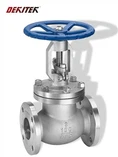

In the realm of industrial fluid control systems, pneumatic actuator gate valves play a pivotal role. These valves are widely used to regulate the flow of various fluids, from gases to liquids, in a multitude of industries such as oil and gas, chemical processing, and power generation. However, one common challenge faced by operators is the pressure drop across these valves. A high pressure drop can lead to increased energy consumption, reduced system efficiency, and potential damage to the valve and other components in the system. As a leading supplier of pneumatic actuator gate valves, we understand the significance of this issue and are committed to providing solutions to help our customers reduce the pressure drop across these valves.
Understanding Pressure Drop in Pneumatic Actuator Gate Valves
Before delving into the strategies for reducing pressure drop, it is essential to understand what causes it. Pressure drop in a pneumatic actuator gate valve occurs when there is a resistance to the flow of fluid through the valve. This resistance can be attributed to several factors, including the valve design, the size of the valve, the condition of the valve components, and the flow characteristics of the fluid.
The design of the valve plays a crucial role in determining the pressure drop. Valves with a more streamlined design, such as those with a full-bore opening, generally have a lower pressure drop compared to valves with a reduced-bore opening. A full-bore valve allows the fluid to flow through the valve with minimal obstruction, resulting in a lower pressure drop. On the other hand, a reduced-bore valve has a smaller opening, which restricts the flow of fluid and increases the pressure drop.
The size of the valve also affects the pressure drop. A valve that is too small for the flow rate of the fluid will have a higher pressure drop compared to a valve that is properly sized. This is because a smaller valve requires the fluid to flow through a smaller opening, which increases the velocity of the fluid and the resistance to flow.
The condition of the valve components can also contribute to the pressure drop. Worn or damaged valve seats, discs, or seals can create leaks or irregularities in the flow path, which can increase the pressure drop. Additionally, the presence of debris or deposits in the valve can also obstruct the flow of fluid and increase the pressure drop.
The flow characteristics of the fluid, such as its viscosity, density, and velocity, can also affect the pressure drop. Fluids with a higher viscosity or density require more energy to flow through the valve, resulting in a higher pressure drop. Similarly, fluids with a higher velocity can create more turbulence and resistance to flow, which can also increase the pressure drop.
Strategies for Reducing Pressure Drop
Now that we have a better understanding of the factors that contribute to pressure drop in pneumatic actuator gate valves, let's explore some strategies for reducing it.
1. Select the Right Valve Design
As mentioned earlier, the design of the valve plays a crucial role in determining the pressure drop. When selecting a pneumatic actuator gate valve, it is important to choose a valve with a streamlined design and a full-bore opening. This will allow the fluid to flow through the valve with minimal obstruction, resulting in a lower pressure drop.
At our company, we offer a wide range of Stainless Steel Pressure Seal Gate Valve and Duplex Stainless Steel Pressure Seal Gate Valve that are designed to minimize pressure drop. These valves feature a full-bore opening and a smooth flow path, which allows the fluid to flow through the valve with minimal resistance.
2. Properly Size the Valve
Properly sizing the valve is essential for reducing pressure drop. A valve that is too small for the flow rate of the fluid will have a higher pressure drop compared to a valve that is properly sized. To determine the correct valve size, it is important to consider the flow rate, pressure, and temperature of the fluid, as well as the pipe size and the required valve flow coefficient (Cv).
Our team of experts can assist you in selecting the right valve size for your application. We use advanced sizing software and engineering calculations to ensure that the valve is properly sized for your specific requirements. By choosing the right valve size, you can minimize the pressure drop and improve the efficiency of your system.
3. Maintain the Valve Regularly
Regular maintenance is crucial for ensuring the proper functioning of the valve and reducing pressure drop. Over time, the valve components can wear out or become damaged, which can increase the pressure drop. By performing regular maintenance, you can identify and address any issues before they become major problems.
Some of the maintenance tasks that should be performed regularly include inspecting the valve for leaks, checking the valve seats and discs for wear, lubricating the valve components, and cleaning the valve to remove any debris or deposits. Our company offers comprehensive maintenance services for pneumatic actuator gate valves, including on-site inspections, repairs, and replacements.


4. Optimize the Flow Conditions
Optimizing the flow conditions can also help to reduce pressure drop. This can be achieved by controlling the flow rate, pressure, and temperature of the fluid, as well as the pipe size and the layout of the piping system.
For example, reducing the flow rate of the fluid can reduce the velocity of the fluid and the resistance to flow, which can lower the pressure drop. Similarly, increasing the pipe size can reduce the velocity of the fluid and the pressure drop. Additionally, ensuring that the piping system is properly designed and installed can minimize the number of bends, elbows, and other obstacles in the flow path, which can also reduce the pressure drop.
5. Use High-Quality Valve Components
Using high-quality valve components is essential for reducing pressure drop and ensuring the long-term reliability of the valve. Low-quality valve components can wear out quickly, create leaks, and increase the pressure drop. By using high-quality valve components, you can minimize the risk of these issues and improve the performance of the valve.
At our company, we use only the highest quality materials and manufacturing processes to produce our pneumatic actuator gate valves. Our valves are made from Duplex Stainless Steel Gate Valve and other high-performance materials, which are resistant to corrosion, wear, and erosion. Additionally, our valves are designed and manufactured to meet the highest industry standards, ensuring that they provide reliable and efficient performance for many years.
Conclusion
Reducing the pressure drop across a pneumatic actuator gate valve is essential for improving the efficiency of your system and reducing energy consumption. By selecting the right valve design, properly sizing the valve, maintaining the valve regularly, optimizing the flow conditions, and using high-quality valve components, you can minimize the pressure drop and improve the performance of your valve.
As a leading supplier of pneumatic actuator gate valves, we are committed to providing our customers with the highest quality products and services. Our team of experts can assist you in selecting the right valve for your application, sizing the valve correctly, and maintaining the valve to ensure its long-term reliability. If you have any questions or need assistance with reducing the pressure drop across your pneumatic actuator gate valve, please do not hesitate to contact us. We look forward to working with you to improve the efficiency of your system and reduce your operating costs.
References
- Valve Handbook, 4th Edition, by Thomas E. Purcell
- Fluid Mechanics, 5th Edition, by Frank M. White
- Piping and Pipeline Engineering: Design, Construction, Maintenance, and Integrity Management, by Mohammad Modarress, Hamid A. Afshar, and Mohsen Mohammadi