


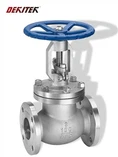

Hey there! As a ball valve supplier, I've seen firsthand the challenges that cold environments pose to ball valves. Freezing can cause serious damage to these crucial components, leading to leaks, malfunctions, and even system failures. In this blog post, I'll share some practical tips on how to prevent your ball valves from freezing in cold conditions.
Understanding the Problem
Before we dive into the solutions, let's understand why ball valves freeze in the first place. When water or other fluids inside the valve freeze, they expand, creating pressure that can crack the valve body, damage seals, and break internal components. This is especially common in areas where the temperature drops below freezing point for extended periods.
Insulation is Key
One of the most effective ways to prevent ball valves from freezing is to insulate them properly. Insulation helps to maintain a stable temperature inside the valve, preventing the fluid from reaching the freezing point. There are several types of insulation materials available, such as foam, fiberglass, and rubber. You can wrap the valve with insulation tape or use pre - formed insulation sleeves.
For example, if you have a Cast Steel Metal Seated Floating Ball Valve, you can find insulation sleeves that are specifically designed to fit its shape. Make sure to cover the entire valve, including the handle and any exposed pipes connected to it. This will create a barrier that reduces heat loss and keeps the valve warm.
Heat Tracing
Another great option is heat tracing. Heat tracing involves installing heating cables or tapes along the valve and its associated pipes. These heating elements generate heat, which helps to keep the fluid inside the valve from freezing. Heat tracing systems can be controlled automatically, so they turn on when the temperature drops below a certain level.
There are different types of heat tracing available, such as self - regulating and constant - wattage. Self - regulating heat tracing adjusts its power output based on the temperature, which is energy - efficient. Constant - wattage heat tracing provides a fixed amount of heat. When choosing a heat tracing system for your Trunnion Mounted Metal Seated Ball Valve, consider the size of the valve, the ambient temperature, and the type of fluid it handles.
Drainage
Proper drainage is essential to prevent freezing. If there is any stagnant water inside the valve, it is more likely to freeze. Make sure that your ball valves are installed with a proper drainage system. This could involve installing drain plugs at the lowest points of the valve or using a continuous drainage line.
Before the cold weather sets in, drain any water from the valve. For example, if you have a Cast Steel Soft Seated Floating Ball Valve in a system that is not in use during the winter, open the drain plug and let all the water out. This simple step can save you a lot of trouble later on.
Monitoring and Maintenance
Regular monitoring and maintenance are crucial for preventing valve freezing. Check the insulation and heat tracing systems regularly to make sure they are in good condition. Look for any signs of damage, such as cracks in the insulation or frayed heating cables.
Inspect the valve for leaks or any other issues. If you notice any problems, address them immediately. For example, if there is a small leak, it could allow water to accumulate and freeze. By catching these issues early, you can avoid more serious problems down the line.
Choosing the Right Valve
When selecting a ball valve for a cold environment, make sure to choose one that is designed to withstand low temperatures. Some valves are made with materials that are more resistant to freezing and cracking. For example, valves with stainless steel bodies are often more durable in cold conditions compared to those made of other materials.


Also, consider the design of the valve. Valves with fewer internal cavities and a more streamlined design are less likely to trap water, reducing the risk of freezing. As a ball valve supplier, I can help you choose the right valve for your specific needs.
Protective Enclosures
In some cases, it might be a good idea to install a protective enclosure around the ball valve. This can be a simple box made of wood or plastic that provides an extra layer of insulation and protection from the elements. The enclosure can also help to shield the valve from wind, which can increase heat loss.
Make sure that the enclosure has proper ventilation to prevent moisture buildup. You can also add a small heater inside the enclosure for additional warmth.
Keep the System Running
If possible, keep the fluid flowing through the valve during cold weather. Moving fluid is less likely to freeze compared to stagnant fluid. If your system allows it, you can set up a bypass or a recirculation loop to keep the fluid moving.
This is especially important for large industrial systems where the valves are part of a complex network. By keeping the fluid in motion, you can maintain a higher temperature inside the valve and prevent freezing.
Conclusion
Preventing ball valves from freezing in cold environments is essential for the smooth operation of any system. By following these tips, such as proper insulation, heat tracing, drainage, and regular maintenance, you can protect your valves from the damaging effects of freezing.
As a ball valve supplier, I'm here to help you with all your valve needs. Whether you're looking for a new valve or need advice on how to maintain your existing ones, feel free to reach out to me for a consultation. We can work together to find the best solutions for your specific situation.
References
- "Valve Handbook" by Valmet
- "Cold Climate Engineering" by ASHRAE