



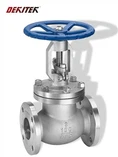

Maintaining an alloy steel globe valve is crucial for ensuring its optimal performance, longevity, and the overall efficiency of the systems in which it operates. As a supplier of alloy steel globe valves, I understand the significance of proper maintenance and am here to share some valuable insights on how to keep these valves in top - notch condition.
Understanding Alloy Steel Globe Valves
Alloy steel globe valves are widely used in various industries due to their excellent durability, corrosion resistance, and ability to control the flow of fluids precisely. These valves consist of a movable disk (plug) and a stationary ring seat in a spherical body. The movement of the disk against the seat regulates the flow of the medium through the valve. Before delving into maintenance procedures, it's essential to have a basic understanding of the valve's components and how they interact.
Regular Inspection
The first step in maintaining an alloy steel globe valve is regular inspection. Inspections should be carried out at predetermined intervals, depending on the valve's usage frequency and the nature of the fluid it handles.
- External Inspection: Start by examining the valve's exterior for any signs of damage, such as cracks, dents, or corrosion. Check the valve body, bonnet, and stem for physical defects. Pay close attention to the valve's connections, including flanges and threaded joints, to ensure they are tight and leak - free. Any visible signs of leakage, such as wet spots or stains around the valve, should be addressed immediately.
- Internal Inspection: Periodically, the valve should be disassembled for internal inspection. This allows for a more thorough examination of the valve's internal components, such as the disk, seat, and stem. Look for signs of wear, erosion, or corrosion on these parts. The disk and seat should have a smooth and even surface to ensure a proper seal. If any wear or damage is detected, the affected components should be replaced.
Cleaning
Cleaning is an essential part of valve maintenance. Over time, dirt, debris, and scale can accumulate inside the valve, affecting its performance.


- External Cleaning: Use a mild detergent and a soft brush to clean the valve's exterior. This helps remove dirt, grease, and other contaminants that can cause corrosion. Rinse the valve thoroughly with clean water and dry it with a soft cloth.
- Internal Cleaning: When disassembling the valve for inspection, clean the internal components using a suitable cleaning agent. For alloy steel valves, a non - abrasive cleaner is recommended to avoid damaging the surface. Soak the components in the cleaning solution and use a brush to remove any stubborn deposits. Rinse the components thoroughly with clean water and dry them completely before reassembling the valve.
Lubrication
Proper lubrication is vital for the smooth operation of an alloy steel globe valve. Lubrication reduces friction between moving parts, prevents wear, and helps maintain a proper seal.
- Stem Lubrication: The valve stem should be lubricated regularly to ensure easy operation. Use a high - quality lubricant that is compatible with the valve's materials and the fluid it handles. Apply the lubricant to the stem threads and the packing area. Be careful not to over - lubricate, as excess lubricant can attract dirt and debris.
- Other Moving Parts: Other moving parts, such as the disk and seat guides, may also require lubrication. Refer to the valve manufacturer's recommendations for the appropriate lubricant and lubrication intervals.
Tightening and Adjustment
During operation, the valve's connections and components may loosen over time. Regularly check and tighten all bolts, nuts, and other fasteners to ensure a secure connection.
- Flange Connections: For flanged valves, check the flange bolts for tightness. Use a torque wrench to ensure that the bolts are tightened to the recommended torque value. Over - tightening can damage the flange gaskets, while under - tightening can lead to leakage.
- Stem Adjustment: The valve stem may need to be adjusted to ensure proper alignment and operation. If the valve is not opening or closing fully, or if there is excessive play in the stem, it may be necessary to adjust the stem position or the packing gland.
Seal Replacement
The seals in an alloy steel globe valve, such as the stem packing and the seat seal, are critical for preventing leakage. Over time, these seals can wear out and need to be replaced.
- Stem Packing Replacement: The stem packing is responsible for preventing fluid leakage around the valve stem. When the packing starts to leak or shows signs of wear, it should be replaced. To replace the stem packing, first, isolate the valve from the system and relieve the pressure. Then, remove the old packing and install new packing according to the manufacturer's instructions.
- Seat Seal Replacement: The seat seal ensures a tight shut - off when the valve is closed. If the valve is leaking when closed, the seat seal may be damaged and need to be replaced. Replacing the seat seal often requires more extensive disassembly of the valve, so it's important to follow the proper procedures and use the correct replacement parts.
Pressure Testing
After maintenance or repair work, it's essential to perform pressure testing on the valve to ensure its integrity and proper operation.
- Hydrostatic Testing: Hydrostatic testing involves filling the valve with a liquid, usually water, and applying pressure to check for leaks. The test pressure should be in accordance with the valve's design specifications and industry standards. Monitor the valve for any signs of leakage during the test. If a leak is detected, the valve should be repaired and retested.
- Functional Testing: In addition to hydrostatic testing, functional testing should also be performed to ensure that the valve opens and closes smoothly and that the flow control is accurate. Operate the valve through its full range of motion and check for any abnormal noises or resistance.
Documentation
Maintaining detailed documentation of all maintenance activities is essential. This includes records of inspections, cleaning, lubrication, component replacements, and pressure testing. Documentation helps track the valve's maintenance history, identify recurring issues, and plan for future maintenance.
Importance of Using Quality Parts
When replacing components in an alloy steel globe valve, it's crucial to use high - quality parts that are compatible with the valve's design and materials. Using inferior parts can lead to premature failure, reduced performance, and safety risks. As a supplier of alloy steel globe valves, we offer a wide range of genuine replacement parts to ensure the long - term reliability of our valves.
Related Products
If you are interested in other types of globe valves, we also offer Cast Steel Globe Valve and Duplex Steel Globe Valve. These valves have their own unique features and are suitable for different applications. You can visit our website to learn more about Alloy Steel Globe Valve and our other products.
Conclusion
Proper maintenance of an alloy steel globe valve is essential for its reliable operation and longevity. By following the steps outlined above, you can ensure that your valve performs optimally and provides years of trouble - free service. If you have any questions about valve maintenance or need assistance with valve selection and replacement, please feel free to contact us. We are committed to providing you with the best products and services to meet your industrial needs.
References
- Valve Manufacturer's Manuals
- Industry Standards and Guidelines for Valve Maintenance
- Technical Papers on Valve Materials and Performance