



Maintaining a cast steel globe valve is crucial for ensuring its long - term performance and reliability. As a Cast Steel Globe Valve supplier, I've seen firsthand how proper maintenance can save time, money, and prevent major system failures. In this blog, I'll share some tips on how to keep your cast steel globe valve in top - notch condition.
Understanding the Basics of a Cast Steel Globe Valve
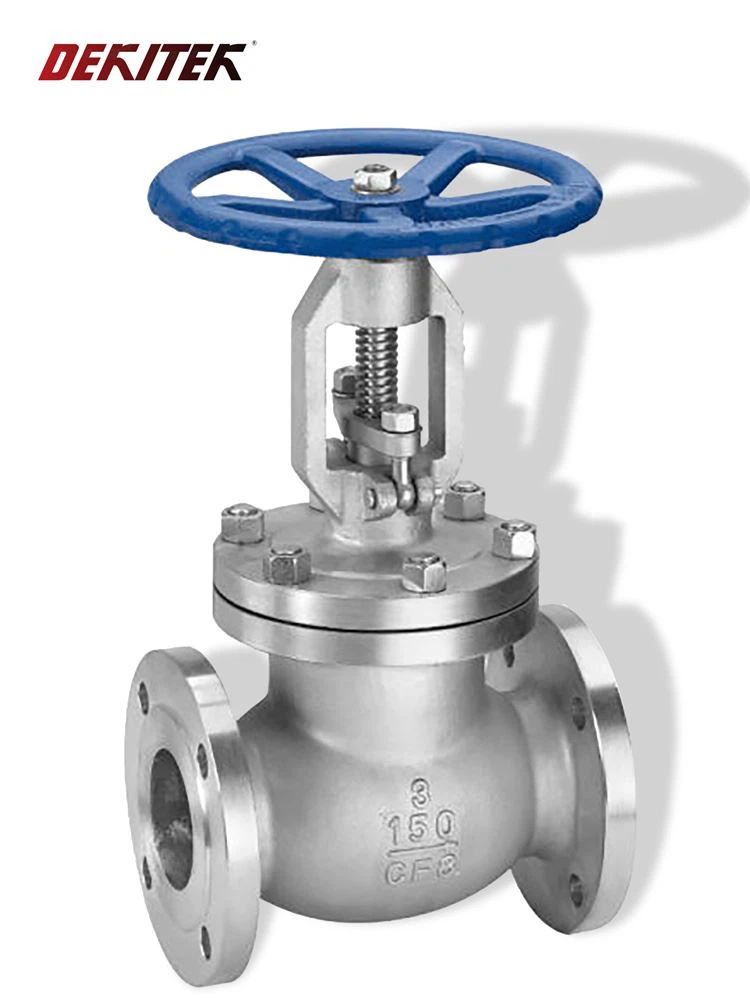
Before we dive into maintenance, let's quickly go over what a cast steel globe valve is. A Cast Steel Globe Valve is a type of valve used to regulate the flow of fluid in a pipeline. It has a spherical body and a movable disk - shaped element that controls the flow by moving perpendicular to the seat. Cast steel is a popular material for these valves because it's strong, durable, and can withstand high pressures and temperatures.
Regular Inspection
The first step in maintaining a cast steel globe valve is regular inspection. You should visually inspect the valve at least once a month, or more frequently if it's in a high - use or harsh environment.
- Examine the Body: Look for any signs of cracks, corrosion, or damage on the valve body. Cracks can lead to leaks, and corrosion can weaken the structure of the valve. If you notice any issues, it's important to address them right away.
- Check the Stem and Packing: The stem is the part that connects the handwheel or actuator to the disk. Make sure it moves smoothly without any binding or excessive play. The packing around the stem should also be checked for leaks. If you see any signs of leakage, the packing may need to be replaced.
- Inspect the Seat and Disk: The seat and disk are the parts that come into contact to control the flow. Check for signs of wear, such as scoring or pitting. If the seat or disk is worn, it can cause the valve to leak or not close properly.
Cleaning
Cleaning the cast steel globe valve is another important maintenance task. Over time, dirt, debris, and scale can build up inside the valve, which can affect its performance.
- Isolate the Valve: Before cleaning, make sure to isolate the valve from the pipeline by closing the upstream and downstream valves. This will prevent any fluid from flowing through the valve during the cleaning process.
- Disassemble the Valve: Carefully disassemble the valve according to the manufacturer's instructions. Take note of the order in which the parts are removed so you can put them back together correctly.
- Clean the Parts: Use a suitable cleaning agent to remove dirt, debris, and scale from the valve parts. A mild detergent and water can usually do the trick for most cases. For stubborn deposits, you may need to use a more aggressive cleaner. Make sure to rinse the parts thoroughly after cleaning to remove any residue.
- Inspect for Damage: While the parts are disassembled, take the opportunity to inspect them for any damage that may not have been visible during the visual inspection. Look for cracks, chips, or other signs of wear.
- Reassemble the Valve: Once the parts are clean and dry, reassemble the valve. Make sure to use new gaskets and seals to prevent leaks.
Lubrication
Proper lubrication is essential for the smooth operation of a cast steel globe valve. It reduces friction between moving parts, which can extend the life of the valve and prevent premature wear.
- Choose the Right Lubricant: Use a lubricant that is compatible with the materials used in the valve. For most cast steel globe valves, a high - quality silicone or graphite - based lubricant is recommended. Avoid using lubricants that contain solvents or other chemicals that can damage the valve components.
- Apply the Lubricant: Apply the lubricant to the stem, threads, and other moving parts according to the manufacturer's instructions. Make sure to distribute the lubricant evenly to ensure smooth operation.
Actuator Maintenance
If your cast steel globe valve is equipped with an actuator (such as an electric or pneumatic actuator), it also needs regular maintenance.

- Check the Power Supply: If it's an electric actuator, make sure the power supply is stable and there are no loose connections. For pneumatic actuators, check the air supply for proper pressure and any signs of leaks.
- Inspect the Actuator Components: Check the gears, motors, and other components of the actuator for wear and damage. Lubricate the moving parts as recommended by the actuator manufacturer.
- Test the Actuator: Periodically test the actuator to make sure it's operating correctly. This can be done by opening and closing the valve using the actuator and checking for any abnormal noises or movements.
Pressure and Temperature Monitoring
Monitoring the pressure and temperature of the fluid flowing through the cast steel globe valve is important for its proper operation.
- Install Pressure and Temperature Gauges: Install pressure and temperature gauges near the valve to monitor the conditions. This will help you detect any abnormal changes in pressure or temperature, which can indicate a problem with the valve or the pipeline.
- Set Alarm Limits: Set alarm limits for the pressure and temperature gauges so that you're notified if the conditions go outside the normal range. This can help you take corrective action before any damage occurs.
Training and Documentation
Proper training of the personnel who operate and maintain the cast steel globe valve is crucial.
- Training: Make sure that the operators and maintenance staff are trained on the proper use and maintenance of the valve. They should know how to perform inspections, cleaning, lubrication, and other maintenance tasks.
- Documentation: Keep detailed records of all maintenance activities, including inspection dates, cleaning procedures, lubrication schedules, and any repairs or replacements. This documentation can be useful for troubleshooting and for demonstrating compliance with maintenance requirements.
When to Replace a Cast Steel Globe Valve
Despite proper maintenance, there may come a time when a cast steel globe valve needs to be replaced.
- Excessive Wear: If the seat, disk, or other critical components are worn beyond repair, it's usually time to replace the valve.
- Frequent Leaks: If the valve continues to leak even after attempts to repair it, it may be a sign that it's reached the end of its useful life.
- System Upgrades: If there are changes in the system requirements, such as an increase in pressure or temperature, the existing valve may not be suitable and need to be replaced.
As a Cast Steel Globe Valve supplier, I understand the importance of providing high - quality valves and reliable maintenance advice. If you're in the market for a new Cast Steel Globe Valve or need help with maintaining your existing valves, feel free to reach out. We also offer Duplex Steel Globe Valve for more demanding applications. Contact us to discuss your specific needs and start a procurement negotiation.
References
- Valve Manufacturer's Manuals
- Industry Standards for Valve Maintenance
- Technical Papers on Valve Performance and Maintenance