



Hey there! I'm a supplier of Alloy Steel Globe Valves, and I know how crucial it is to have a stable flow in these valves. In this blog, I'll share some tips on how to improve the flow stability of an Alloy Steel Globe Valve.
Understanding the Basics
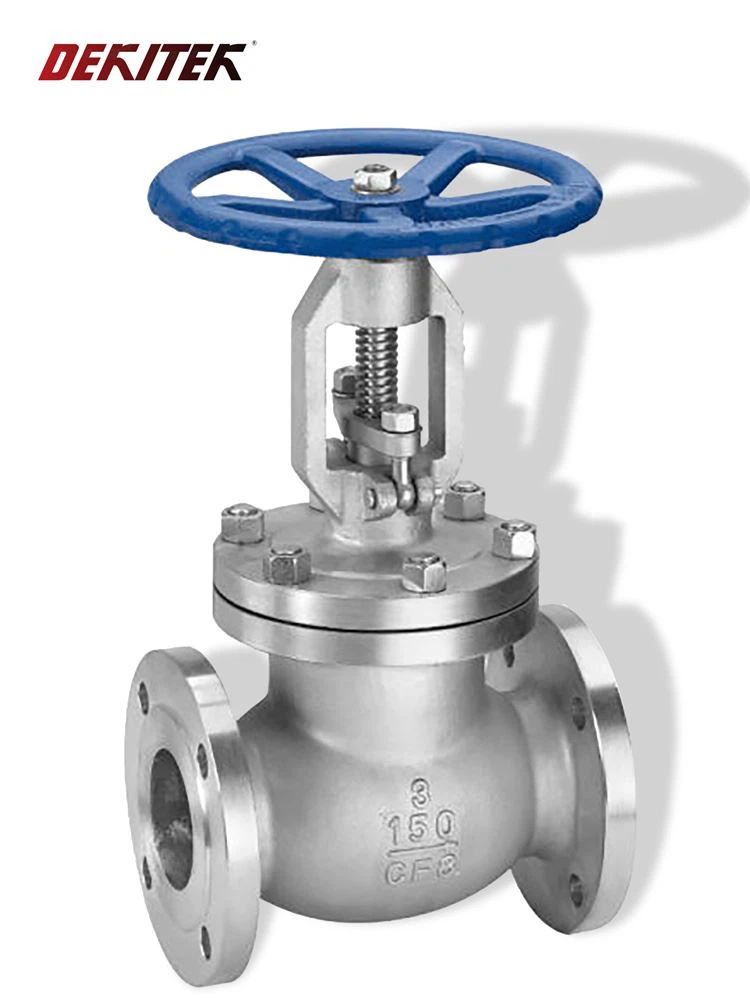
First things first, let's understand what an Alloy Steel Globe Valve is. It's a type of valve used to regulate the flow of fluid in a pipeline. The valve has a movable disk-type element and a stationary ring seat in a generally spherical body. The flow of fluid through the valve is controlled by the movement of the disk, which can be adjusted to increase or decrease the flow rate.
Now, why is flow stability so important? Well, a stable flow ensures that the system operates efficiently and safely. Unstable flow can lead to a variety of problems, such as pressure fluctuations, noise, and vibration, which can damage the valve and other components in the pipeline.
Factors Affecting Flow Stability
There are several factors that can affect the flow stability of an Alloy Steel Globe Valve. Let's take a look at some of the most common ones:

1. Valve Design
The design of the valve plays a significant role in determining its flow stability. A well-designed valve should have a smooth internal surface to minimize flow resistance and turbulence. The shape and size of the valve's ports and passages also affect the flow characteristics. For example, a valve with a large port area will generally have a lower flow resistance and better flow stability than a valve with a small port area.
2. Fluid Properties
The properties of the fluid flowing through the valve, such as viscosity, density, and temperature, can also affect the flow stability. For instance, a highly viscous fluid will have a higher resistance to flow and may require a larger valve size to maintain a stable flow. Similarly, changes in fluid temperature can cause changes in its viscosity and density, which can affect the valve's performance.
3. Operating Conditions
The operating conditions, such as pressure and flow rate, can have a significant impact on the flow stability of the valve. If the pressure or flow rate is too high, it can cause the valve to vibrate or chatter, leading to unstable flow. On the other hand, if the pressure or flow rate is too low, the valve may not operate properly, resulting in poor flow control.
Tips to Improve Flow Stability
Now that we understand the factors affecting flow stability, let's look at some tips on how to improve it:
1. Choose the Right Valve Size
Selecting the correct valve size is crucial for ensuring stable flow. A valve that is too small will have a high flow resistance, which can cause pressure drops and unstable flow. Conversely, a valve that is too large may not provide accurate flow control and can also lead to flow instability. To choose the right valve size, you need to consider the flow rate, pressure, and fluid properties of your system. You can use flow calculation software or consult with a valve expert to determine the appropriate valve size for your application.
2. Optimize the Valve Design
As mentioned earlier, the design of the valve can have a significant impact on its flow stability. Look for valves with a smooth internal surface and well-designed ports and passages to minimize flow resistance and turbulence. Some valves are also designed with special features, such as flow straighteners or anti-cavitation trim, to improve flow stability. For example, Alloy Steel Globe Valve from our product line is designed with advanced technology to ensure smooth and stable flow.
3. Maintain the Valve Properly
Regular maintenance is essential for keeping the valve in good working condition and ensuring stable flow. This includes cleaning the valve, inspecting the internal components for wear and damage, and lubricating the moving parts as needed. A well-maintained valve will operate more smoothly and efficiently, reducing the risk of flow instability. Make sure to follow the manufacturer's recommended maintenance schedule and procedures to keep your valve in top shape.
4. Control the Operating Conditions
Monitoring and controlling the operating conditions, such as pressure and flow rate, is crucial for maintaining flow stability. Use pressure gauges and flow meters to monitor the system's performance and make adjustments as needed. If the pressure or flow rate is too high or too low, you can adjust the valve opening or the pump speed to bring it back to the desired level. Additionally, try to avoid sudden changes in operating conditions, as these can cause flow disturbances and instability.
5. Consider Using a Duplex Steel Globe Valve
In some applications, a Duplex Steel Globe Valve may be a better choice for improving flow stability. Duplex steel has excellent corrosion resistance and mechanical properties, making it suitable for use in harsh environments. These valves are also designed to provide better flow control and stability compared to traditional alloy steel valves. If you're dealing with corrosive fluids or high-pressure applications, a duplex steel globe valve may be worth considering.
Conclusion
Improving the flow stability of an Alloy Steel Globe Valve is essential for ensuring the efficient and safe operation of your pipeline system. By understanding the factors affecting flow stability and following the tips outlined in this blog, you can significantly improve the performance of your valve. Remember to choose the right valve size, optimize the valve design, maintain the valve properly, control the operating conditions, and consider using a duplex steel globe valve if necessary.
If you're interested in purchasing high-quality Alloy Steel Globe Valve for your application, feel free to reach out to us. We're here to help you find the best valve solution for your needs and ensure that you get the most stable and efficient flow possible.
References
- "Valve Handbook" by Tom Henry
- "Fluid Mechanics" by Frank M. White