



Hey there! As a supplier of Double Offset Lug Type Butterfly Valves, I often get asked about how to check the integrity of the seal in these valves. It's a crucial aspect, as a good seal ensures the valve functions properly and prevents any leakage. In this blog, I'll walk you through the steps to check the seal integrity, and also share some tips to keep your valves in top - notch condition.

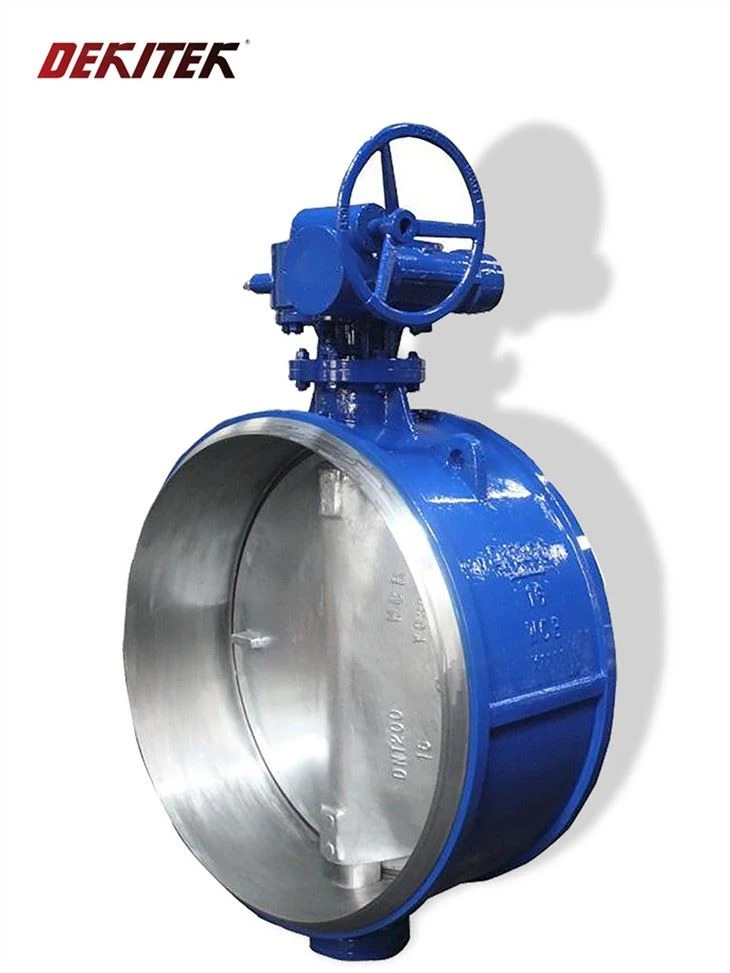
First off, let's understand what a Double Offset Lug Type Butterfly Valve is. These valves are designed with two offsets, which reduce friction between the disc and the seat when the valve is opening and closing. The lug type allows for easy installation between flanges and provides a reliable connection. They're commonly used in various industries like water treatment, HVAC, and chemical processing.
Visual Inspection
The first step in checking the seal integrity is a simple visual inspection. Start by looking at the valve's exterior. Check for any visible signs of damage, such as cracks, dents, or corrosion on the body of the valve. These issues can potentially lead to problems with the seal. For instance, a crack in the valve body might allow fluid to seep through, compromising the seal.
Next, take a look at the valve disc. Make sure it's in good shape, without any chips or scratches. A damaged disc can prevent a proper seal with the seat. The disc should rotate smoothly within the valve body. If you notice any resistance or wobbling, it could be a sign of misalignment or internal damage.
Now, focus on the seal itself. The seal in a Double Offset Lug Type Butterfly Valve is usually made of materials like rubber or metal. If it's a rubber seal, look for signs of wear, such as cracking, hardening, or swelling. These can occur due to exposure to high temperatures, chemicals, or simply over time. Metal seals might show signs of erosion or pitting. You can use a flashlight to get a better view of the seal, especially in hard - to - reach areas.
Pressure Testing
Once you've done the visual inspection, it's time for pressure testing. This is a more accurate way to check the seal integrity. There are two main types of pressure tests: hydrostatic and pneumatic.
Hydrostatic Testing:
For hydrostatic testing, you'll need to fill the valve with a liquid, usually water. Close the valve and apply pressure to the liquid. The pressure should be gradually increased to the test pressure specified by the valve manufacturer. Keep the pressure stable for a certain period, typically around 10 - 15 minutes. During this time, carefully inspect the valve for any signs of leakage. You can use a soap solution to check for small leaks. Apply the solution to the joints and seals, and if there are any leaks, bubbles will form.
Pneumatic Testing:
Pneumatic testing uses air or another gas instead of a liquid. It's a bit more sensitive than hydrostatic testing and can detect smaller leaks. However, it's also more dangerous because of the potential for a sudden release of high - pressure gas. Similar to hydrostatic testing, close the valve, apply pressure, and check for leaks using a soap solution or a leak detector.
Seat Alignment
Proper seat alignment is essential for a good seal. Misaligned seats can cause uneven pressure distribution on the seal, leading to leakage. To check the seat alignment, you can use a feeler gauge. Insert the feeler gauge between the disc and the seat at several points around the circumference of the valve. The thickness of the gauge should be consistent at all points. If there are significant differences, it indicates misalignment.
Another way to check for alignment is by observing the valve's operation. When the valve is closing, the disc should make even contact with the seat. If it seems to hit one side before the other, it's likely misaligned. Misalignment can be caused by improper installation, wear and tear, or external forces acting on the valve.
Maintenance and Regular Checks
To ensure the long - term integrity of the seal in your Double Offset Lug Type Butterfly Valve, regular maintenance is key. Here are some maintenance tips:
- Lubrication: If your valve has moving parts, lubricate them regularly. This reduces friction and wear, and helps the valve operate smoothly. Make sure to use the lubricant recommended by the manufacturer.
- Cleaning: Keep the valve clean. Remove any dirt, debris, or scale that might accumulate on the valve body, disc, or seat. This can prevent damage to the seal and ensure proper operation.
- Replacement: If you notice significant wear or damage to the seal, replace it as soon as possible. Using a worn - out seal can lead to leakage and other problems.
Related Product Links
If you're interested in other types of butterfly valves, we also offer Wafer Type Metal Sealing Butterfly Valve, BW Type Metal Sealing Butterfly Valve, and Lug Type Metal Sealing Butterfly Valve. These valves have their own unique features and applications, and can be a great addition to your industrial setup.
Conclusion
Checking the integrity of the seal in a Double Offset Lug Type Butterfly Valve is not a difficult task if you know what to look for. By following the steps of visual inspection, pressure testing, and checking for seat alignment, you can ensure that your valve is working properly and prevent any leakage. Regular maintenance and checks will also extend the lifespan of your valve.
If you're in the market for high - quality Double Offset Lug Type Butterfly Valves or need more information about valve seal integrity, don't hesitate to reach out. We're here to help you with all your valve needs and ensure that you get the best products for your applications.
References
- Valve Handbook, by J. S. Tullis
- Industrial Valve Technology, by R. A. Smith