




Calculating the flow coefficient of a cast steel globe valve is a crucial aspect in fluid control systems. As a supplier of cast steel globe valves, I understand the significance of accurately determining this coefficient to ensure optimal performance and efficiency in various applications. In this blog post, I will delve into the details of how to calculate the flow coefficient of a cast steel globe valve, shedding light on the key concepts and methods involved.
Understanding the Flow Coefficient (Cv)
The flow coefficient, commonly denoted as Cv, is a measure of a valve's capacity to pass fluid. It represents the number of US gallons per minute (GPM) of water at 60°F that will flow through a valve with a pressure drop of 1 psi across the valve. In other words, it quantifies the valve's ability to regulate the flow rate of a fluid under specific conditions. A higher Cv value indicates a greater flow capacity, while a lower Cv value implies a more restrictive flow.
Factors Affecting the Flow Coefficient
Several factors influence the flow coefficient of a cast steel globe valve. These include:
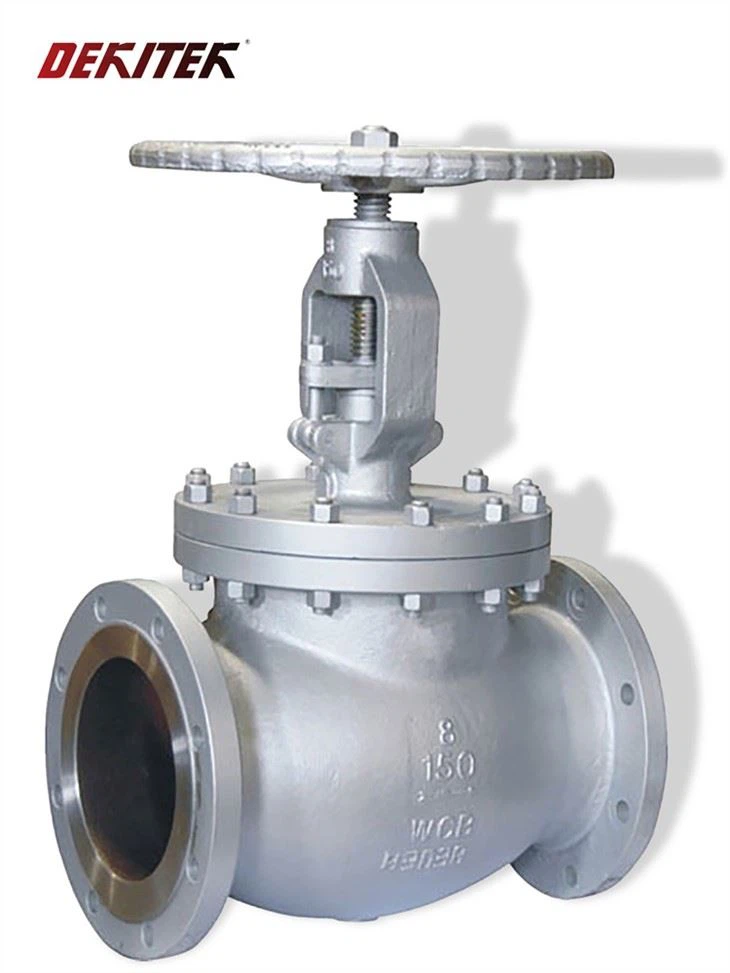

- Valve Size: Larger valve sizes generally have higher flow coefficients as they offer a larger cross-sectional area for fluid flow.
- Valve Design: The internal design of the valve, such as the shape of the valve plug and seat, can significantly impact the flow coefficient. Valves with streamlined designs tend to have higher Cv values.
- Valve Trim: The trim components, including the valve plug, seat, and stem, play a crucial role in determining the flow coefficient. Different trim materials and configurations can affect the flow characteristics of the valve.
- Fluid Properties: The properties of the fluid being controlled, such as viscosity, density, and temperature, can also influence the flow coefficient. Fluids with higher viscosities typically require larger valves or higher pressure drops to achieve the same flow rate.
Calculating the Flow Coefficient
There are several methods available for calculating the flow coefficient of a cast steel globe valve. The most common approach is to use the following formula:
[Cv = \frac{Q}{\sqrt{\Delta P}}]
Where:
- (Cv) is the flow coefficient
- (Q) is the flow rate in US gallons per minute (GPM)
- (\Delta P) is the pressure drop across the valve in psi
To use this formula, you need to know the flow rate and pressure drop across the valve. These values can be obtained through experimental testing or by using engineering calculations based on the system requirements.
Step-by-Step Calculation Process
Here is a step-by-step guide on how to calculate the flow coefficient of a cast steel globe valve:
- Determine the Flow Rate: The first step is to determine the required flow rate of the fluid through the valve. This can be based on the process requirements, such as the desired flow rate for a specific application or the capacity of the system.
- Measure the Pressure Drop: Next, you need to measure the pressure drop across the valve. This can be done using pressure sensors installed upstream and downstream of the valve. The pressure drop is the difference in pressure between the two points.
- Apply the Formula: Once you have the flow rate and pressure drop values, you can apply the formula to calculate the flow coefficient. Simply divide the flow rate by the square root of the pressure drop.
- Consider Other Factors: It's important to note that the calculated flow coefficient is based on specific conditions, such as the fluid properties and valve configuration. In real-world applications, you may need to consider other factors, such as the valve's operating range, valve position, and the presence of any fittings or piping components that can affect the flow.
Example Calculation
Let's consider an example to illustrate the calculation process. Suppose you have a cast steel globe valve with a flow rate of 50 GPM and a pressure drop of 5 psi. Using the formula, we can calculate the flow coefficient as follows:
[Cv = \frac{Q}{\sqrt{\Delta P}} = \frac{50}{\sqrt{5}} \approx 22.36]
Therefore, the flow coefficient of the cast steel globe valve in this example is approximately 22.36.
Importance of Accurate Flow Coefficient Calculation
Accurately calculating the flow coefficient of a cast steel globe valve is essential for several reasons:
- System Performance: The flow coefficient directly affects the performance of the fluid control system. By selecting a valve with the appropriate Cv value, you can ensure that the system operates efficiently and meets the desired flow requirements.
- Energy Efficiency: Using a valve with the correct flow coefficient can help optimize energy consumption by reducing the pressure drop across the valve. This can result in significant cost savings over the long term.
- Safety: In some applications, such as in the oil and gas industry, accurate flow control is critical for safety reasons. A valve with an incorrect flow coefficient can lead to overpressure or underflow conditions, which can pose a risk to personnel and equipment.
Conclusion
Calculating the flow coefficient of a cast steel globe valve is a fundamental aspect of fluid control system design and operation. By understanding the key concepts and methods involved, you can select the right valve for your application and ensure optimal performance and efficiency. As a supplier of cast steel globe valves, I am committed to providing high-quality products and technical support to help you make informed decisions. If you have any questions or need assistance with calculating the flow coefficient of a valve, please don't hesitate to [contact us for a consultation]. We also offer a wide range of Alloy Steel Globe Valve and Duplex Steel Globe Valve options, and you can learn more about our Alloy Steel Globe Valve Factory.
References
- Crane Company. (1988). Flow of Fluids Through Valves, Fittings, and Pipe. Technical Paper No. 410.
- ISA - The Instrumentation, Systems, and Automation Society. (2012). Flow Measurement Handbook: Industrial Designs and Applications.