




Hey there! As a supplier of Cast Steel Globe Valves, I often get asked about how the price of our cast steel globe valves stacks up against other valve materials. So, I thought I'd break it down for you in this blog post.
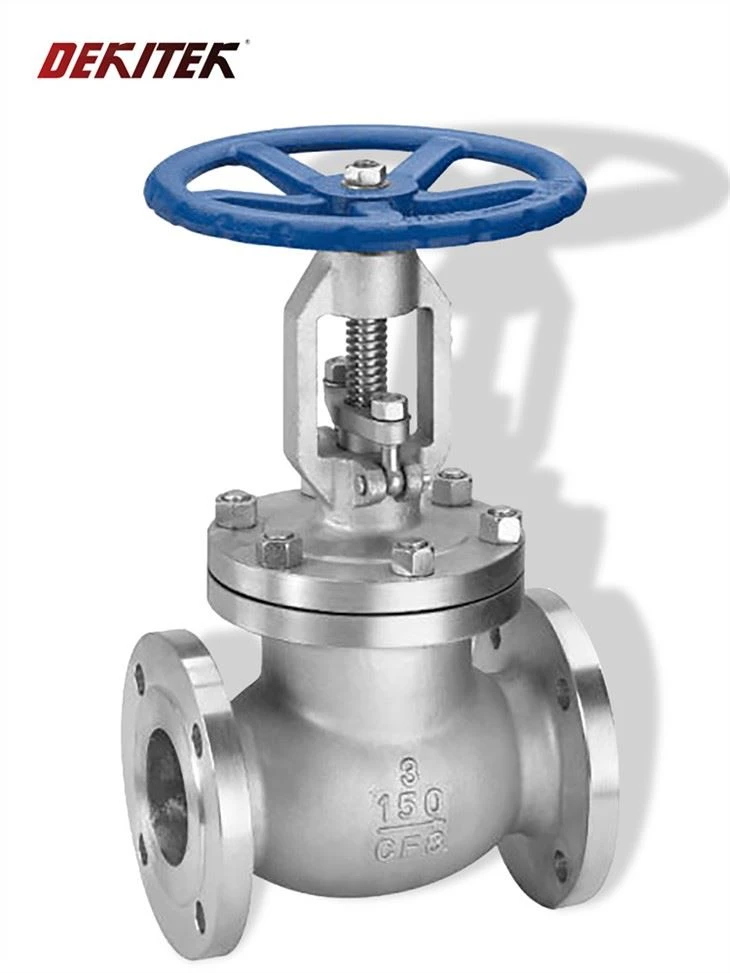
First off, let's talk a bit about what a globe valve is. A globe valve is a type of valve used for regulating flow in a pipeline. It has a spherical body with an internal baffle that divides the body into two halves. The disc in the valve moves up and down to control the flow of fluid. Now, there are different materials used to make these valves, like cast steel, stainless steel, and duplex steel. Each material has its own set of properties, which ultimately affects the price.
Let's start with cast steel. Cast steel is a popular choice for globe valves because it's strong, durable, and can withstand high pressure and temperature. It's made by melting and casting steel, which gives it a uniform structure. The production process of cast steel is relatively straightforward, which helps keep the cost down to some extent. Our Cast Steel Globe Valve is a great option for applications where you need a reliable valve that can handle tough conditions without breaking the bank.
On the other hand, we have stainless steel. Stainless steel is known for its corrosion resistance. It contains chromium, which forms a passive oxide layer on the surface, protecting it from rust and other forms of corrosion. This makes Stainless Steel Globe Valve ideal for applications in industries like food and beverage, pharmaceuticals, and chemical processing, where corrosion can be a major issue. However, the production of stainless steel involves adding alloying elements like chromium, nickel, and molybdenum, which increases the cost. So, generally speaking, stainless steel globe valves are more expensive than cast steel ones.
Another material is duplex steel. Duplex steel is a type of stainless steel that has a two-phase microstructure, consisting of both austenite and ferrite. This gives it a combination of high strength and excellent corrosion resistance. Duplex Steel Globe Valve are often used in demanding applications, such as offshore oil and gas, desalination plants, and chemical industries. The production of duplex steel is more complex and requires precise control of the alloy composition and heat treatment. As a result, duplex steel globe valves are usually the most expensive among the three materials we're discussing.
Now, let's look at some factors that influence the price difference between these valve materials.
1. Material Cost
The cost of the raw materials is a major factor. As I mentioned earlier, stainless steel and duplex steel require the addition of alloying elements, which are more expensive than the basic ingredients used in cast steel. For example, nickel, which is commonly used in stainless steel and duplex steel, has a fluctuating market price. When the price of nickel goes up, the cost of producing stainless steel and duplex steel valves also increases.
2. Manufacturing Process
The manufacturing process for each material can vary in complexity. Cast steel can be produced using relatively simple casting techniques, which are less labor-intensive and require less specialized equipment. In contrast, stainless steel and duplex steel may need additional processes like heat treatment and surface finishing to achieve the desired properties. These extra steps add to the production cost.
3. Application Requirements
The intended application of the valve also plays a role in determining the price. If a valve needs to meet strict industry standards, such as those in the oil and gas or nuclear industries, it may require additional testing and certification. This can drive up the cost, especially for valves made from materials like stainless steel and duplex steel, which are often used in these high - risk applications.
4. Quantity
As with most products, the quantity you order can affect the price. If you're buying a large number of valves, you may be able to get a better price per unit, regardless of the material. This is because suppliers can often achieve economies of scale in production and shipping.
So, when should you choose a cast steel globe valve over the others? If your application doesn't require high - end corrosion resistance and you're working within a budget, a cast steel globe valve is a great choice. It can handle a wide range of pressures and temperatures and is suitable for many industrial applications, such as water treatment, power generation, and general pipeline systems.
If corrosion is a major concern, and you can afford the higher cost, a stainless steel or duplex steel globe valve may be more appropriate. Stainless steel is a good middle - ground option, offering decent corrosion resistance at a relatively lower cost compared to duplex steel. Duplex steel is reserved for the most demanding applications where both high strength and excellent corrosion resistance are essential.
In conclusion, the price of a cast steel globe valve is generally lower than that of stainless steel and duplex steel globe valves. However, the choice of valve material should be based on your specific application requirements, budget, and long - term considerations.
If you're in the market for a globe valve and want to learn more about our Cast Steel Globe Valve or compare it with other materials, feel free to reach out to us. We're here to help you make the right choice for your project. Whether you need a single valve or a large order, we can work with you to find the best solution. Let's start a conversation and see how we can meet your valve needs!
References

- Valve Handbook, by Robert W. Mathias and Michael J. McKetta
- Corrosion Resistance of Metals and Alloys, by George S. Kiourtsis