


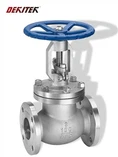

In high - temperature applications, carbon steel flexible wedge gate valves play a crucial role in many industrial systems. As a supplier of Carbon Steel Flexible Wedge Gate Valves, I have witnessed firsthand the importance of proper thermal insulation for these valves. This blog post will delve into the thermal insulation requirements for carbon steel flexible wedge gate valves in high - temperature scenarios.
Understanding the Basics of Carbon Steel Flexible Wedge Gate Valves
Carbon steel flexible wedge gate valves are widely used in various industries such as oil and gas, power generation, and chemical processing. These valves are designed with a flexible wedge disc that can adapt to the seat, providing a tight seal. The carbon steel construction offers good strength and durability, making them suitable for high - pressure and high - temperature applications.
However, high temperatures can pose several challenges to the performance and longevity of these valves. Without proper thermal insulation, excessive heat can cause thermal expansion of the valve components, leading to misalignment, leakage, and even premature failure. Moreover, high - temperature environments can increase the risk of corrosion and oxidation of the carbon steel material, further compromising the valve's integrity.
Thermal Insulation Requirements
1. Temperature Resistance
The primary function of thermal insulation for a carbon steel flexible wedge gate valve in high - temperature applications is to resist the transfer of heat. The insulation material should be able to withstand the maximum operating temperature of the system without degrading. For example, in power plants where steam temperatures can reach several hundred degrees Celsius, the insulation must have a high melting point and excellent thermal stability.
Common insulation materials for high - temperature applications include ceramic fiber, calcium silicate, and mineral wool. Ceramic fiber insulation is known for its high - temperature resistance, low thermal conductivity, and lightweight properties. It can withstand temperatures up to 1600°C, making it suitable for extremely high - temperature environments. Calcium silicate insulation is also popular due to its good insulation performance, mechanical strength, and resistance to fire and moisture. Mineral wool insulation is cost - effective and offers good thermal insulation, but its temperature resistance is relatively lower compared to ceramic fiber and calcium silicate.
2. Thermal Conductivity
Low thermal conductivity is a key requirement for thermal insulation. The insulation material should minimize the heat transfer from the valve to the surrounding environment. A lower thermal conductivity value means better insulation performance. For instance, ceramic fiber insulation typically has a thermal conductivity of around 0.03 - 0.05 W/(m·K) at high temperatures, which is significantly lower than that of many other materials.
By reducing the thermal conductivity, the insulation helps to maintain a more stable temperature within the valve, preventing overheating of the valve components. This is especially important for the flexible wedge disc and the valve seats, as excessive heat can cause them to warp or lose their sealing properties.
3. Moisture Resistance
In high - temperature applications, moisture can be a significant problem. Moisture can penetrate the insulation material, reducing its insulation effectiveness and promoting corrosion of the carbon steel valve. Therefore, the insulation material should have good moisture resistance.
Calcium silicate insulation is known for its excellent moisture resistance. It has a low water absorption rate, which helps to maintain its insulation performance even in humid environments. Ceramic fiber insulation can also be treated to improve its moisture resistance. For example, it can be coated with a water - repellent agent to prevent moisture ingress.

4. Mechanical Strength
The insulation material should have sufficient mechanical strength to withstand the mechanical stresses during installation, operation, and maintenance. In industrial settings, valves are often subject to vibrations, impacts, and pressure changes. The insulation must be able to stay intact under these conditions without cracking or falling off.
Mineral wool insulation has relatively good mechanical strength and can be easily shaped and installed. Calcium silicate insulation is also mechanically robust and can resist the forces exerted during normal valve operation. Ceramic fiber insulation, although relatively brittle, can be reinforced with binders or supports to enhance its mechanical strength.
5. Chemical Compatibility
The insulation material should be chemically compatible with the carbon steel valve and the surrounding environment. In some industrial applications, the valve may be exposed to various chemicals, such as acids, alkalis, and solvents. The insulation should not react with these chemicals, as such reactions can damage the insulation and the valve.

Most high - quality insulation materials are designed to be chemically inert. For example, ceramic fiber insulation is resistant to many chemicals and can be used in harsh chemical environments. Calcium silicate insulation also has good chemical resistance, making it suitable for a wide range of industrial applications.
Benefits of Proper Thermal Insulation
1. Energy Efficiency
Proper thermal insulation reduces heat loss from the valve, which in turn improves the energy efficiency of the system. In high - temperature applications, energy consumption is a significant cost factor. By minimizing heat transfer, the insulation helps to reduce the amount of energy required to maintain the desired temperature in the system.
2. Extended Valve Lifespan
Thermal insulation protects the valve components from the adverse effects of high temperatures, such as thermal expansion, corrosion, and oxidation. This helps to extend the lifespan of the valve, reducing the frequency of valve replacements and maintenance costs.
3. Safety Improvement
High - temperature valves can pose a safety hazard to personnel and equipment. Insulation helps to reduce the surface temperature of the valve, minimizing the risk of burns and fires. It also helps to prevent heat - related damage to nearby equipment and structures.

Our Products and Services
As a leading supplier of Carbon Steel Flexible Wedge Gate Valve, we offer a wide range of high - quality valves suitable for high - temperature applications. Our valves are designed and manufactured to meet the strictest industry standards, ensuring reliable performance and long - term durability.
In addition to our valves, we also provide professional thermal insulation solutions. We work closely with our customers to select the most appropriate insulation material based on their specific application requirements. Whether you need ceramic fiber insulation for extremely high - temperature environments or calcium silicate insulation for general high - temperature applications, we have the expertise and resources to meet your needs.
We also offer other types of valves, such as Pneumatic Actuator Gate Valve and Duplex Stainless Steel Pressure Seal Gate Valve. Our team of experienced engineers and technicians can provide comprehensive technical support and after - sales service to ensure that our customers get the most out of our products.
Contact Us for Procurement and Negotiation
If you are looking for high - quality carbon steel flexible wedge gate valves and professional thermal insulation solutions for high - temperature applications, we would be delighted to hear from you. Our dedicated sales team is ready to assist you with your procurement needs and answer any questions you may have. Please feel free to contact us to start a negotiation and find the best solutions for your project.
References
- ASME Boiler and Pressure Vessel Code, Section VIII, Division 1 - Rules for Construction of Pressure Vessels
- API 600 - Steel Gate Valves - Flanged and Butt - Welding Ends, Bolted Bonnet
- Insulation Materials Handbook: Selection, Properties, and Applications, by Michael E. Fesmire