



Automation has become a buzzword in the industrial sector, revolutionizing how various processes are carried out. One question that often arises among industry professionals is whether an Alloy Steel Globe Valve can be automated. As a supplier of Alloy Steel Globe Valves, I am well - versed in the intricacies of these valves and their automation capabilities. In this blog, we will explore the possibilities, benefits, and considerations of automating Alloy Steel Globe Valves.
Understanding Alloy Steel Globe Valves
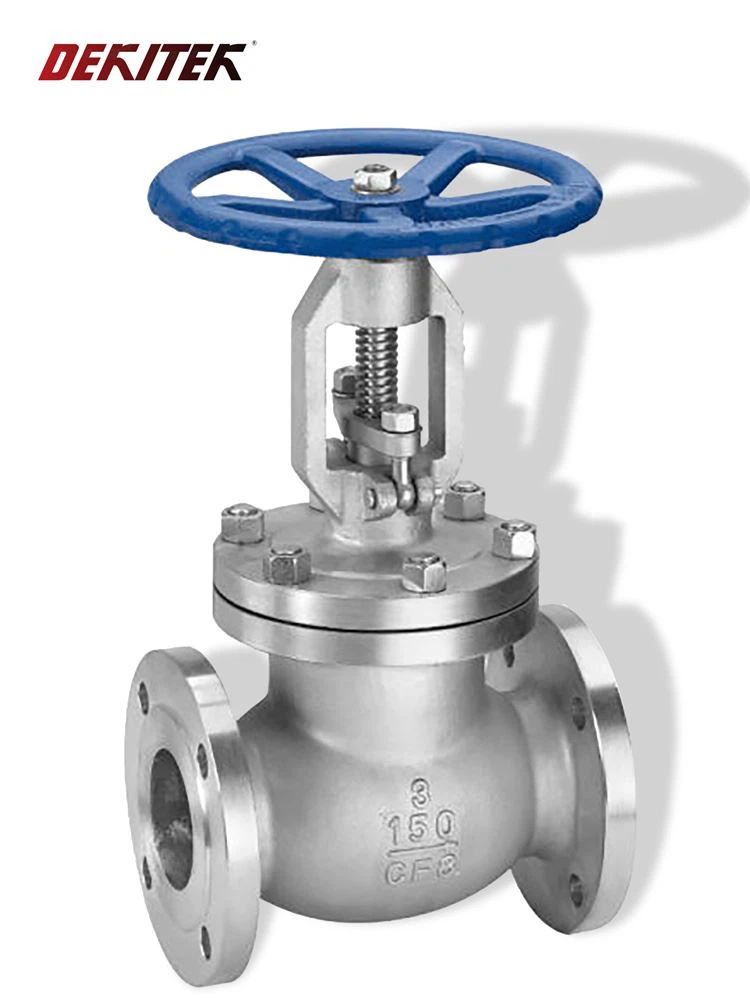
Alloy Steel Globe Valves are essential components in many industrial applications. They are designed to regulate, start, or stop the flow of fluids in a pipeline. The valve gets its name from its spherical body shape, which houses a movable disk (the plug) and a stationary ring seat. The operation of a traditional globe valve involves manually turning a handwheel to raise or lower the disk, thereby controlling the flow.
Alloy steel, as the name suggests, is a type of steel that contains various alloying elements such as chromium, nickel, molybdenum, etc. These elements enhance the valve's mechanical properties, including strength, corrosion resistance, and heat resistance. This makes Alloy Steel Globe Valves suitable for a wide range of applications, from high - pressure steam systems to chemical processing plants.
The Case for Automating Alloy Steel Globe Valves
Automating an Alloy Steel Globe Valve can bring several significant benefits to industrial operations.

1. Precision and Accuracy
Automated valves can be programmed to open and close with a high degree of precision. This is crucial in applications where precise flow control is required. For example, in a chemical processing plant, the exact amount of a particular chemical needs to be added to a reaction vessel at a specific time. An automated Alloy Steel Globe Valve can be set to open and close at the right intervals and to the exact degree, ensuring the accuracy of the process.
2. Efficiency
Automation eliminates the need for manual operation, which can be time - consuming and labor - intensive. In large - scale industrial plants, where there are multiple valves that need to be monitored and controlled, automated valves can significantly improve the overall efficiency of the system. They can respond quickly to changes in process conditions, such as pressure or temperature fluctuations, and adjust the flow accordingly.
3. Safety
In hazardous environments, such as oil refineries or nuclear power plants, manual valve operation can pose a risk to workers. Automated valves can be operated remotely, keeping workers out of harm's way. Additionally, in the event of an emergency, such as a sudden pressure spike, an automated valve can be programmed to close immediately, preventing potential disasters.
4. Data Collection and Monitoring
Automated valves can be integrated with control systems that collect data on valve performance, such as opening and closing times, flow rates, and pressure differentials. This data can be used for predictive maintenance, allowing operators to identify potential problems before they cause system failures.
Methods of Automating Alloy Steel Globe Valves
There are several ways to automate an Alloy Steel Globe Valve, each with its own advantages and disadvantages.
1. Electric Actuators
Electric actuators are a popular choice for automating valves. They are powered by electricity and can be easily integrated with control systems. Electric actuators offer precise control, as they can be programmed to move the valve disk to a specific position. They are also relatively easy to install and maintain. However, they may not be suitable for applications where a high torque is required, as they have a limited torque output compared to other types of actuators.
2. Pneumatic Actuators
Pneumatic actuators use compressed air to operate the valve. They are known for their high - speed operation and high torque output, making them suitable for applications where rapid valve movement is required. Pneumatic actuators are also relatively simple and reliable, with fewer components that can fail. However, they require a source of compressed air, which may not be available in all locations.
3. Hydraulic Actuators
Hydraulic actuators use hydraulic fluid to generate the force needed to operate the valve. They are capable of providing very high torque and are suitable for large - diameter valves or applications where a high - force operation is required. Hydraulic actuators offer precise control and can be used in harsh environments. However, they are more complex and expensive than electric or pneumatic actuators, and they require a hydraulic power unit.
Considerations When Automating Alloy Steel Globe Valves
While the benefits of automating Alloy Steel Globe Valves are clear, there are several factors that need to be considered before implementing automation.
1. Compatibility
The actuator selected for automation must be compatible with the Alloy Steel Globe Valve. This includes considerations such as the valve's size, pressure rating, and the type of fluid it will be handling. The actuator must be able to generate enough force to operate the valve under all operating conditions.
2. Control System Integration
The automated valve needs to be integrated with a control system that can monitor and control its operation. This requires careful planning and programming to ensure that the valve responds correctly to changes in process conditions. The control system must also be able to communicate with other components in the system, such as sensors and pumps.
3. Maintenance
Automated valves require regular maintenance to ensure their reliable operation. This includes checking the actuator, the control system, and the valve itself for any signs of wear or damage. Maintenance schedules should be established based on the manufacturer's recommendations and the operating conditions of the valve.
4. Cost
Automation can be expensive, especially when considering the cost of the actuator, the control system, and the installation. However, the long - term benefits of automation, such as increased efficiency and reduced maintenance costs, may outweigh the initial investment.
Other Related Globe Valve Types
In addition to Alloy Steel Globe Valves, there are other types of globe valves that can also be automated. For example, Cast Steel Globe Valves are another popular choice in industrial applications. Cast steel is less expensive than alloy steel and is suitable for applications where the corrosion resistance requirements are not as high. Duplex Steel Globe Valves, on the other hand, offer excellent corrosion resistance and high strength, making them ideal for applications in the marine and offshore industries.
Conclusion
In conclusion, an Alloy Steel Globe Valve can indeed be automated, and there are many benefits to doing so. Automation can improve precision, efficiency, safety, and data collection in industrial operations. However, careful consideration must be given to factors such as compatibility, control system integration, maintenance, and cost.
As a supplier of Alloy Steel Globe Valves, we have the expertise and experience to help you choose the right valve and automation solution for your specific application. Whether you are looking for an electric, pneumatic, or hydraulic actuator, we can provide you with high - quality products and professional advice. If you are interested in automating your Alloy Steel Globe Valves or have any questions about our products, please feel free to contact us for a consultation. We are committed to helping you find the best solutions for your industrial needs.
References
- Valve Handbook, 4th Edition, by Leslie E. Kelm
- Industrial Valve Technology, by James F. Watson
- Piping and Valves Engineering Handbook, by R. K. Rajput