

Where would you use a gate valve?
Introduction:
A gate valve is a type of valve that is used to control the flow of fluids such as liquids or gases. It is one of the most commonly used valves in various industries, including oil and gas, water treatment, chemical processing, and many others. In this article, we will explore the different applications of gate valves, their advantages, and why they are chosen over other types of valves.
What is a gate valve?
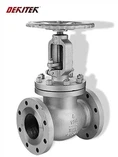
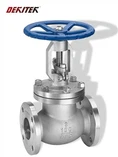
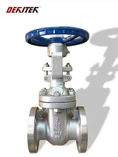
A gate valve is a linear motion valve that consists of a gate-like disc and a seat that forms a seal. The disc is moved up or down by a threaded stem or a wheel-operated handwheel to control the flow of the fluid. When the gate is fully open, the flow is unobstructed, and when it is fully closed, the flow is completely shut off. This on-off control feature makes gate valves suitable for many applications where tight shut-off is required.
Applications of gate valves:
1. Oil and gas industry:
Gate valves are extensively used in the oil and gas industry for a wide range of applications. These valves are commonly found in upstream, midstream, and downstream oil and gas operations. They are used in pipelines, wellheads, and processing plants to control the flow of crude oil, natural gas, and other hydrocarbons. The ability of gate valves to provide tight shut-off and withstand high pressures and temperatures makes them ideal for these applications.
2. Water treatment plants:
Gate valves play a vital role in water treatment plants for controlling the flow of water through different treatment processes. These valves are used in filtration systems, chemical dosing units, and disinfection systems. They enable operators to isolate sections of pipelines or equipment for maintenance or repair purposes. Moreover, gate valves ensure minimal pressure loss and help maintain steady flow rates during the water treatment process.
3. Chemical processing:
In chemical processing industries, gate valves are used to control the flow of various corrosive and hazardous fluids. They are commonly found in pipelines, reactors, storage tanks, and other equipment. Gate valves offer excellent resistance to corrosion and erosion, which is essential when dealing with aggressive chemicals. Their ability to handle high pressures and temperatures makes them suitable for such demanding applications.
4. Power generation:
Gate valves are widely used in power generation facilities, including thermal power plants and nuclear power plants. In thermal power plants, gate valves are used to control the flow of steam or hot water through turbines, condensers, and heat exchangers. In nuclear power plants, gate valves are crucial for controlling coolant flow and isolating sections of the system for maintenance or in the event of an emergency shutdown.
5. HVAC systems:
Heating, ventilation, and air conditioning (HVAC) systems utilize gate valves to regulate the flow of air and water. These valves are commonly employed in heating systems, chilled water systems, and cooling towers. Gate valves ensure precise control over the flow rate, allowing the HVAC system to efficiently distribute hot or cold air to different areas. They are also used for isolating sections of the system during maintenance or repairs.
6. Mining industry:
In the mining industry, gate valves are used to control the flow of various slurry mixtures and liquids in the extraction and processing of minerals. These valves are often installed in pipelines transporting ores, concentrate, or tailings. Gate valves can handle abrasive materials and high-pressure conditions commonly found in mining operations, making them an ideal choice in this industry.
Advantages of gate valves:
1. Tight shut-off: Gate valves provide a tight seal and offer excellent shut-off capabilities, preventing any leakage or backflow of fluids. This ensures the integrity of the system and prevents wastage or contamination.
2. Low pressure loss: Gate valves have minimal pressure drop when fully open, allowing for efficient flow rates and reducing energy consumption.
3. Bi-directional flow: Gate valves can handle flow in both directions, making them versatile in various applications.
4. High-pressure and temperature capabilities: Gate valves are designed to withstand high pressures and temperatures, making them suitable for demanding industrial applications.
5. Easy maintenance: Gate valves have a simple design with few moving parts, making them easy to maintain and service. The gate can be easily inspected and replaced if necessary.
Conclusion:
Gate valves are essential components in various industries where flow control and shut-off capabilities are critical. From the oil and gas industry to water treatment plants, chemical processing, power generation, HVAC systems, and mining, gate valves find numerous applications. Their advantages, such as tight shut-off, low pressure loss, and durability, make them a preferred choice over other types of valves. Understanding the specific applications of gate valves helps in ensuring the efficient and reliable operation of industrial processes.