

Introduction
Ball valves are one of the most commonly used valves in industrial applications. These valves are durable and require less maintenance, making them a popular choice for many industries. However, like any other product, there are disadvantages to using ball valves. These disadvantages can affect the performance of the valve and its overall efficiency. In this article, we will discuss the disadvantages of ball valves and how they can be mitigated.
What are ball valves?
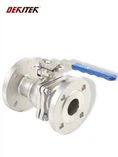
Before we dive into the disadvantages of ball valves, let''s first understand what they are. Ball valves are a type of valve that uses a ball to control the flow of fluid through a pipeline. The ball has a hole through the center, which allows the fluid to flow through when the valve is open. When the valve is closed, the ball rotates 90 degrees and blocks the flow of fluid.
Disadvantages of ball valves
1. Cost
One of the biggest disadvantages of ball valves is their cost. Ball valves are more expensive to manufacture than other types of valves such as gate valves or globe valves. The main reason for this is because ball valves require more precision during the manufacturing process. This precision adds to the cost of manufacturing. Additionally, if a ball valve needs to be repaired or replaced, it can be costly.
2. Maintenance
While ball valves require less maintenance than other types of valves, they still require some maintenance. The ball inside the valve can become stuck or damaged, which can affect the valve''s performance. In some cases, the ball may need to be replaced. Additionally, if the valve is exposed to corrosive materials, it may need to be cleaned or replaced more frequently.
3. Limited control
Ball valves are designed to provide full bore flow, which means they provide maximum flow rate with minimum pressure drop. However, this design also limits the valve''s control capabilities. Ball valves are not designed for fine control of the fluid flow, and they do not provide accurate flow throttling. This can be a disadvantage in applications where precise flow control is needed.
4. Leakage
Another disadvantage of ball valves is that they can leak. While ball valves are designed to seal tight when closed, there is still a possibility of leakage. This is because the ball in the valve is not perfect, and there may be small imperfections that can allow fluid to leak through the valve. This can be a problem in applications where leakage is not acceptable.
5. High torque
Ball valves require a high amount of torque to operate, especially in larger sizes. This can be a disadvantage in applications where the valve needs to be operated manually. The high torque required can make the valve difficult to operate, and can also increase the risk of injury to the person operating the valve.
Mitigating the disadvantages of ball valves
While there are disadvantages to using ball valves, there are also ways to mitigate these disadvantages. Here are some tips for mitigating the disadvantages of ball valves:
1. Cost – To mitigate the cost of ball valves, consider using them in applications where their durability and long lifespan will pay off in the long run. Additionally, compare the cost of ball valves with other types of valves before making a decision.
2. Maintenance – To mitigate maintenance issues, ensure that the valve is properly installed and maintained on a regular basis. Additionally, use ball valves made from materials that are resistant to corrosion, and avoid exposing the valve to corrosive materials.
3. Limited control – To mitigate the limited control capabilities of ball valves, consider using a combination of ball valves and other types of valves. This can provide the benefits of ball valves while also allowing for more precise flow control.
4. Leakage – To mitigate the risk of leakage, ensure that the valve is properly installed and maintained. Additionally, use a ball valve made from high-quality materials, and consider using a double block and bleed valve configuration.
5. High torque – To mitigate the high torque required to operate a ball valve, consider using an actuator to automate the valve. This can reduce the amount of torque required to operate the valve and can also improve safety.
Conclusion
Ball valves are a popular type of valve used in many industries. While they have advantages such as durability and low maintenance, they also have disadvantages such as cost, limited control, and the risk of leakage. By understanding the disadvantages of ball valves and taking steps to mitigate them, you can ensure that your valve operates efficiently and effectively.