

Introduction
Check valves are essential components in many industrial applications where the media flow must be restricted to flow in only one direction. Check valves act as mechanical barriers that prevent fluid backflow, which can cause significant damage or even catastrophic failure to the system. The failure of check valves can lead to a host of problems ranging from reduced efficiency and increased maintenance cost to degraded product quality, environmental hazards, and safety concerns.
Understanding why check valves fail is crucial in designing and maintaining reliable systems that operate seamlessly and safely. In this article, we will explore the different factors that contribute to check valve failure, the types of check valves commonly used in industry, and the strategies for preventing and mitigating their failure.
Types of Check Valves
Before discussing the causes of check valve failure, it is essential to understand the different types of check valves and their applications. Here are some of the common types:
1. Ball Check Valves:
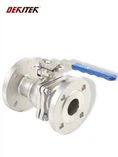
Ball check valves are used in applications where flow reversal is infrequent, and where the valve must be closed tightly, such as in gas pipelines and commercial pumps.
2. Swing Check Valves:
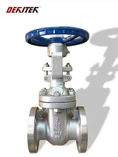
Swing check valves are designed to provide a reliable and tight seal that ensures fluid and gas flow only in one direction. They are widely used in sewage treatment plants, oil, and gas pipelines, chemical processing plants, and water treatment facilities.
3. Diaphragm Check Valves:
Diaphragm check valves have a flexible diaphragm that separates the chamber and the fluid path. They are commonly used in pharmaceutical and food industries, where high sanitary requirements must be met.
4. Lift Check Valves:
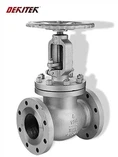
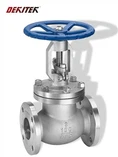
Lift check valves are designed to lift automatically off the seat to allow fluid or gas flow in one direction. They are typically used in thermal power stations, oil, and gas processing plants, and chemical industries.
Factors Contributing to Check Valve Failure
There are different factors that can contribute to check valve failure. Some of these factors include:
1. Overpressure:
Overpressure conditions can cause check valves to fail by causing the spring to compress beyond its limit, leading to an improper closing of the valve. When the valve fails to close correctly, fluid or gas can flow back into the system, causing significant damage.
2. Contamination:
Contaminants in fluid or gas streams can lead to the buildup of deposits that can clog or damage the valve. Contamination of check valves can lead to reduced efficiency, increased maintenance costs, and safety concerns.
3. Corrosion:
Corrosion can cause significant damage to check valves, leading to component failure and system damage. Corrosion can occur due to exposure to corrosive fluids, high temperatures, or environmental factors.
4. Wear and Tear:
Check valves are subject to wear and tear over time, leading to component failure and system damage. The components that are most prone to wear and tear include the seat and disc, spring, and seal.
5. Fluttering:
Fluttering is the rapid opening and closing of the valve caused by the flow turbulence in the fluid stream. Fluttering can cause rapid wear and tear of components, leading to failure of the valve.
6. Wrong Installation:
Incorrect installation of check valves can lead to failure, such as installing a valve backward in the piping system. The installation process should be carried out by qualified personnel to ensure that the valve is correctly placed and operating correctly.
Preventing and Mitigating Check Valve Failure
There are several strategies for preventing and mitigating check valve failure. Some of these strategies include:
1. Proper Sizing and Selection of Check Valves:
Proper sizing and selection of check valves are essential in ensuring that they operate effectively and efficiently. The valves must be matched to the system requirements to ensure that they operate correctly.
2. Regular Maintenance:
Regular maintenance, such as cleaning, inspection, lubrication, and replacement of worn components, can help prevent check valve failure. Maintenance should be carried out by qualified personnel to ensure that they are done correctly.
3. Monitoring Operating Conditions:
Monitoring operating conditions, such as pressure, temperature, and fluid flow, can help detect problems with check valves before they fail. Continuous monitoring can provide insights into system performance and indicate when maintenance or replacement is necessary.
4. Replacement of Failed Components:
Replacing failed components can help restore the performance and efficiency of the check valve. The replacement components should be of the same or better quality than the original components.
5. Proper Installation:
Proper installation of check valves is critical in ensuring proper operation and preventing failure. The installation process should be carried out by qualified personnel following the manufacturer''s instructions.
Conclusion
Check valves play a crucial role in many industrial applications, primarily in those where flow reversal is not desirable. Understanding the different factors that contribute to check valve failure is essential in designing and implementing reliable and efficient systems that operate safely and seamlessly. Strategies for preventing and mitigating check valve failure include proper sizing and selection, regular maintenance, monitoring operating conditions, replacing failed components, and proper installation. By adopting these strategies, industries can minimize the risk of failure, reduce maintenance costs, and ensure product quality and safety.