

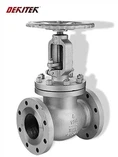
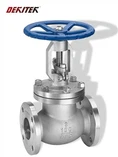
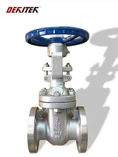

Alloy steel C5, WC6, and WC9 are all commonly used materials in the manufacturing of valves and piping systems for high-temperature and high-pressure applications. While they share some similarities, there are also distinct differences between these alloys. Here are the key differences:
Chemical Composition:
Alloy Steel C5: C5 is a low-alloy steel with a chemical composition that typically includes chromium (Cr) and molybdenum (Mo). It has a higher carbon content compared to WC6 and WC9.
Alloy Steel WC6: WC6 is a high-temperature steel alloy that contains chromium, molybdenum, and a small amount of vanadium (V).
Alloy Steel WC9: WC9 is also a high-temperature steel alloy and has a similar chemical composition to WC6 but with a higher content of chromium and molybdenum.
Mechanical Properties:
Alloy Steel C5: C5 steel offers good tensile strength, hardness, and wear resistance. It is commonly used in applications that require resistance to corrosion, high temperatures, and moderate pressure.
Alloy Steel WC6: WC6 offers excellent high-temperature strength, as well as good corrosion resistance. It is suitable for applications where high-temperature strength and resistance to oxidation are crucial.
Alloy Steel WC9: WC9 provides superior high-temperature strength and corrosion resistance compared to WC6. It is often used in applications where resistance to high temperatures and corrosive environments is critical.
Application:
Alloy Steel C5: C5 is commonly used in the manufacturing of valves, fittings, and pipes for applications in oil refineries, petrochemical plants, and power generation industries.
Alloy Steel WC6: WC6 is frequently utilized in the production of valves and fittings for power generation plants, particularly in steam service at elevated temperatures.
Alloy Steel WC9: WC9 is suitable for applications requiring resistance to high temperatures and corrosive environments, such as power plants, chemical plants, and oil refineries.
It's important to note that the specific requirements of an application should be considered when selecting the appropriate alloy steel. Factors like temperature, pressure, corrosion resistance, and mechanical properties should all be evaluated to ensure the chosen alloy meets the necessary criteria.