



Ball valves are essential components in various industries, known for their reliable performance and durability. As a leading ball valve supplier, we understand the importance of using high-quality materials to ensure the optimal functionality of our products. In this blog post, we will explore the different materials commonly used in the manufacturing of ball valves and their specific applications.
Metal Materials
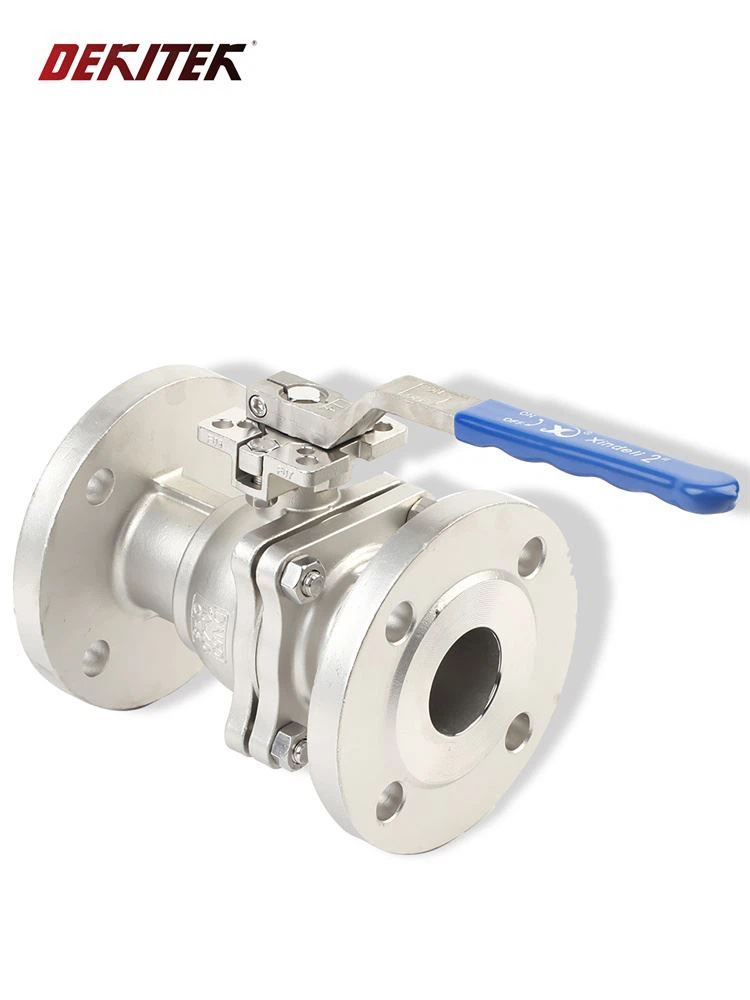
Stainless Steel
Stainless steel is one of the most popular materials for ball valves due to its excellent corrosion resistance, strength, and durability. It contains chromium, which forms a passive oxide layer on the surface of the metal, protecting it from rust and corrosion. This makes stainless steel ball valves suitable for a wide range of applications, including water treatment, chemical processing, and food and beverage industries.
Stainless steel ball valves can be further classified into different grades, such as 304 and 316. Grade 304 stainless steel is the most common type, offering good corrosion resistance in most environments. Grade 316 stainless steel, on the other hand, contains molybdenum, which enhances its resistance to pitting and crevice corrosion, making it ideal for use in more aggressive environments, such as marine applications and chemical processing plants.
Carbon Steel
Carbon steel is another widely used material for ball valves, especially in applications where high strength and durability are required. It is a cost-effective option compared to stainless steel and offers good resistance to wear and tear. Carbon steel ball valves are commonly used in oil and gas industries, power generation plants, and industrial pipelines.
However, carbon steel is prone to corrosion, especially in the presence of moisture and oxygen. To prevent corrosion, carbon steel ball valves are often coated with a protective layer, such as epoxy or zinc, to enhance their corrosion resistance.

Alloy Steel
Alloy steel is a type of steel that contains additional alloying elements, such as nickel, chromium, and molybdenum, to improve its mechanical properties. Alloy steel ball valves offer higher strength and better corrosion resistance than carbon steel valves, making them suitable for use in high-pressure and high-temperature applications.
Alloy steel ball valves are commonly used in the oil and gas industry, chemical processing plants, and power generation plants. They are also used in applications where the valve needs to withstand extreme conditions, such as high-pressure steam or corrosive chemicals.
Brass
Brass is a copper-zinc alloy that is known for its excellent corrosion resistance, malleability, and conductivity. Brass ball valves are commonly used in plumbing applications, such as water supply systems, heating systems, and gas pipelines. They are also used in low-pressure applications where a cost-effective and reliable valve is required.
Brass ball valves are available in different grades, depending on the specific application requirements. For example, lead-free brass ball valves are commonly used in drinking water systems to ensure compliance with health and safety regulations.
Non-Metal Materials
PTFE (Polytetrafluoroethylene)
PTFE is a synthetic fluoropolymer that is known for its excellent chemical resistance, low friction coefficient, and high temperature resistance. PTFE is commonly used as a sealing material in ball valves to ensure a tight seal and prevent leakage. It is also used as a coating material on the ball and seat of the valve to reduce friction and wear.
PTFE ball valves are suitable for use in a wide range of applications, including chemical processing, pharmaceutical, and food and beverage industries. They are also used in applications where the valve needs to handle aggressive chemicals or high-temperature fluids.
Nylon
Nylon is a synthetic thermoplastic polymer that is known for its high strength, toughness, and abrasion resistance. Nylon ball valves are commonly used in low-pressure applications, such as air and water systems. They are also used in applications where a lightweight and cost-effective valve is required.
Nylon ball valves are available in different grades, depending on the specific application requirements. For example, glass-filled nylon ball valves offer higher strength and stiffness than standard nylon valves, making them suitable for use in more demanding applications.
PVC (Polyvinyl Chloride)
PVC is a widely used thermoplastic polymer that is known for its excellent chemical resistance, low cost, and ease of installation. PVC ball valves are commonly used in plumbing applications, such as water supply systems, drainage systems, and irrigation systems. They are also used in low-pressure applications where a lightweight and corrosion-resistant valve is required.
PVC ball valves are available in different grades, depending on the specific application requirements. For example, chlorinated PVC (CPVC) ball valves offer higher temperature resistance than standard PVC valves, making them suitable for use in hot water systems.
Application-Specific Materials
Cryogenic Materials
Cryogenic ball valves are designed to operate at extremely low temperatures, typically below -100°C (-148°F). These valves are commonly used in industries such as liquefied natural gas (LNG), air separation, and cryogenic storage. The materials used in cryogenic ball valves must have excellent low-temperature properties, such as high strength, toughness, and ductility, to ensure reliable operation in these harsh environments.
Common materials used in cryogenic ball valves include stainless steel grades such as 304L and 316L, which have good low-temperature toughness. Additionally, special alloys like nickel-based alloys may be used for more demanding cryogenic applications.
High-Temperature Materials
High-temperature ball valves are used in applications where the valve needs to withstand elevated temperatures, such as in power generation plants, petrochemical industries, and furnace systems. The materials used in high-temperature ball valves must have excellent heat resistance, creep resistance, and oxidation resistance to ensure long-term performance.
Materials commonly used in high-temperature ball valves include alloy steels, such as chrome-molybdenum steels, and nickel-based alloys, such as Inconel and Hastelloy. These materials can withstand temperatures up to 1000°C (1832°F) or higher, depending on the specific alloy and application requirements.
Our Product Range
As a ball valve supplier, we offer a wide range of ball valves made from different materials to meet the diverse needs of our customers. Our product range includes Fully Welded Ball Valve, Top Entry Ball Valve, and Trunnion Mounted Soft Seated Forged Ball Valve.
Our fully welded ball valves are designed for use in high-pressure and high-temperature applications, such as oil and gas pipelines and power generation plants. They are made from high-quality materials and feature a fully welded body, which provides excellent strength and leak-tightness.
Our top entry ball valves are easy to maintain and repair, making them suitable for applications where quick access to the valve internals is required. They are available in different materials, including stainless steel, carbon steel, and alloy steel, to meet the specific application requirements.
Our trunnion mounted soft seated forged ball valves are designed for use in critical applications, such as oil and gas production, chemical processing, and power generation. They feature a trunnion-mounted ball design, which provides excellent stability and low operating torque, and a soft seat, which provides a tight seal and prevents leakage.
Conclusion
The choice of material for a ball valve depends on several factors, including the application requirements, operating conditions, and budget. Metal materials, such as stainless steel, carbon steel, alloy steel, and brass, offer high strength, durability, and corrosion resistance, making them suitable for a wide range of applications. Non-metal materials, such as PTFE, nylon, and PVC, offer excellent chemical resistance, low friction, and cost-effectiveness, making them suitable for specific applications.
As a ball valve supplier, we have the expertise and experience to help you select the right material for your ball valve based on your specific requirements. We offer a wide range of ball valves made from different materials to meet the diverse needs of our customers. If you have any questions or need further information about our products, please feel free to contact us. We look forward to discussing your ball valve needs and providing you with the best solution for your application.
References
- ASME B16.34 - Valves - Flanged, Threaded, and Welding End
- API 6D - Pipeline Valves - Specification for Pipeline Valves
- ISO 5208 - Industrial Valves - Pressure Testing of Valves
- ASTM Standards - Various standards related to materials used in ball valve manufacturing