


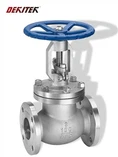

The weight of a butterfly valve is a crucial factor that influences various aspects of its application, from installation to transportation and overall system performance. As a seasoned butterfly valve supplier, I have witnessed firsthand the significance of understanding the weight characteristics of these valves. In this blog, I will delve into the factors that determine the weight of a butterfly valve, its implications, and how it relates to different types of butterfly valves we offer.
Factors Affecting the Weight of a Butterfly Valve
The weight of a butterfly valve is primarily determined by several key factors, including its size, material, and design. Let's explore each of these factors in detail:
Size
The size of a butterfly valve, typically measured by its nominal diameter, has a direct impact on its weight. Larger valves generally weigh more than smaller ones due to the increased amount of material required to construct them. For instance, a 2-inch butterfly valve will weigh significantly less than a 24-inch valve. The size of the valve is often selected based on the flow rate and pressure requirements of the system it is intended for.
Material
The material used to manufacture the butterfly valve plays a crucial role in determining its weight. Different materials have varying densities, which directly affect the overall weight of the valve. Common materials used for butterfly valves include cast iron, carbon steel, stainless steel, and aluminum. Cast iron valves are relatively heavy due to the high density of the material, while aluminum valves are much lighter. The choice of material depends on factors such as the application environment, corrosion resistance requirements, and budget.
Design
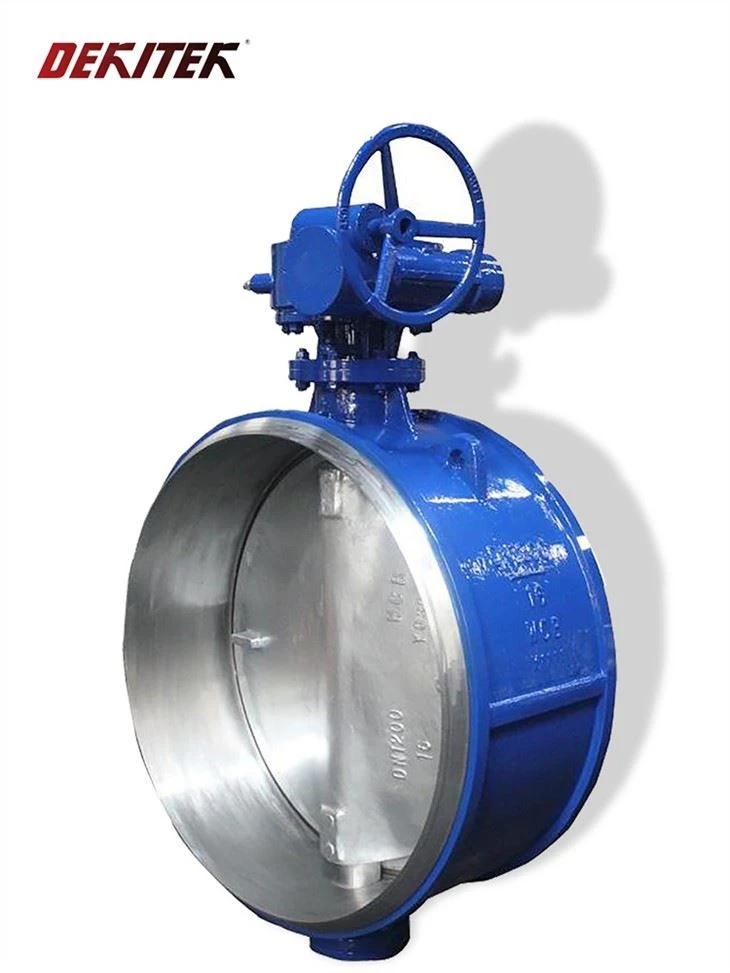
The design of the butterfly valve also influences its weight. Valves with more complex designs, such as those with multiple offsets or additional features, tend to be heavier than simpler designs. For example, a Triple Offset BW End Butterfly Valve has a more intricate design compared to a standard concentric butterfly valve, which results in a higher weight. The design of the valve is often optimized to meet specific performance requirements, such as tight shut-off or high-pressure resistance.
Implications of the Weight of a Butterfly Valve
The weight of a butterfly valve has several implications for its installation, operation, and maintenance. Let's take a closer look at these implications:
Installation
The weight of the valve can significantly impact the installation process. Heavier valves may require additional support structures or specialized lifting equipment to ensure proper installation. This can increase the installation time and cost, especially in large-scale projects. On the other hand, lighter valves are easier to handle and install, reducing the overall installation time and labor requirements.
Transportation
The weight of the valve also affects its transportation. Heavier valves may require larger and more expensive transportation vehicles, which can increase the transportation cost. Additionally, the weight of the valve may limit its transportation options, especially in areas with weight restrictions. Lighter valves are more convenient to transport, allowing for more flexibility in shipping and reducing the transportation cost.
System Performance
The weight of the valve can also influence the overall performance of the system. In some applications, the weight of the valve may cause additional stress on the piping system, leading to potential leaks or failures. On the other hand, a properly sized and weighted valve can ensure smooth operation and efficient flow control. It is important to consider the weight of the valve in relation to the overall system design to ensure optimal performance.
Different Types of Butterfly Valves and Their Weights
As a butterfly valve supplier, we offer a wide range of butterfly valves to meet the diverse needs of our customers. Here are some of the common types of butterfly valves and their typical weight characteristics:
Double Offset Flange End Type Butterfly Valve
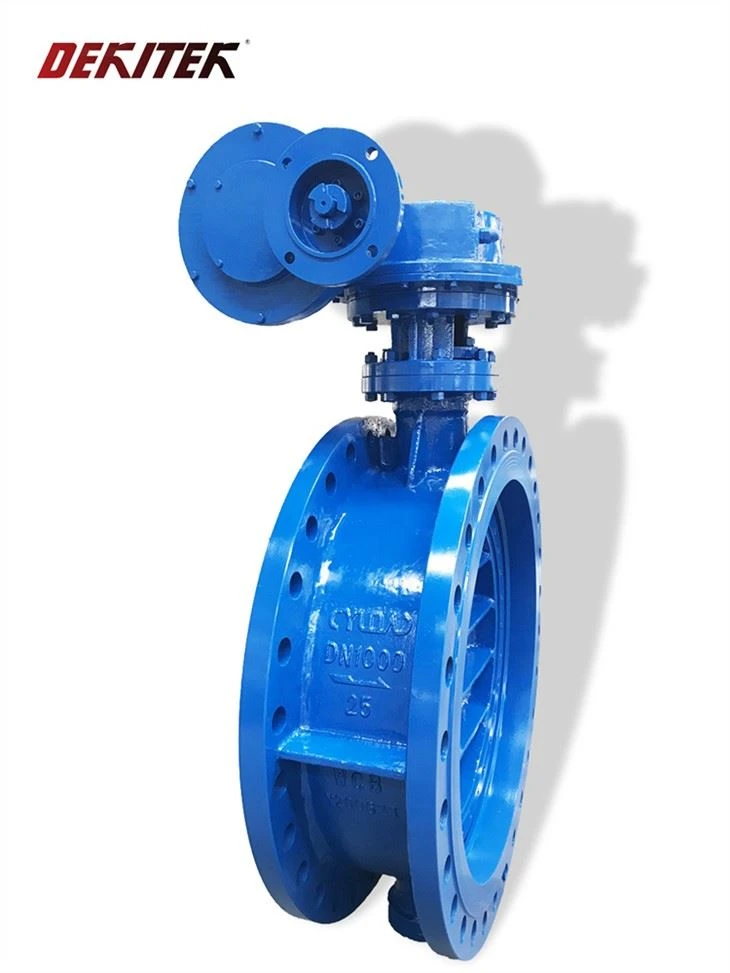
The Double Offset Flange End Type Butterfly Valve is a popular choice for many applications due to its excellent sealing performance and durability. The weight of this valve depends on its size and material. Generally, a carbon steel double offset flange end type butterfly valve with a nominal diameter of 6 inches may weigh around 50 pounds, while a larger 24-inch valve can weigh up to 500 pounds or more.
Wafer Type Metal Sealing Butterfly Valve
The Wafer Type Metal Sealing Butterfly Valve is a compact and lightweight valve that is commonly used in applications where space is limited. These valves are typically made of stainless steel or carbon steel and have a relatively low weight compared to other types of butterfly valves. A 4-inch wafer type metal sealing butterfly valve may weigh around 20 pounds, while a 12-inch valve can weigh up to 100 pounds.
Triple Offset BW End Butterfly Valve
The Triple Offset BW End Butterfly Valve is a high-performance valve that is designed for applications requiring tight shut-off and high-pressure resistance. Due to its complex design and the use of high-quality materials, this valve tends to be heavier than other types of butterfly valves. A 6-inch triple offset BW end butterfly valve may weigh around 100 pounds, while a larger 24-inch valve can weigh up to 1000 pounds or more.
Conclusion
In conclusion, the weight of a butterfly valve is a critical factor that should be carefully considered when selecting a valve for a specific application. By understanding the factors that affect the weight of the valve, its implications, and the weight characteristics of different types of butterfly valves, you can make an informed decision that meets your requirements. As a trusted butterfly valve supplier, we are committed to providing high-quality valves that are designed to perform reliably in a wide range of applications. If you have any questions or need assistance in selecting the right butterfly valve for your project, please do not hesitate to [contact us](replace with appropriate contact method). We look forward to working with you and helping you find the perfect solution for your needs.
References
- ASME B16.34 - Valves - Flanged, Threaded, and Welding End
- API 609 - Butterfly Valves, Double Flanged, Lug, and Wafer Type
- ISO 5208 - Industrial Valves - Pressure Testing