


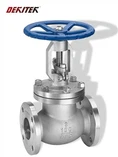

Hey there! As a supplier of electric actuator gate valves, I often get asked if these valves can be used for two - phase flow applications. Well, let's dig into this topic and find out.
First off, what exactly is two - phase flow? In simple terms, two - phase flow is a mixture of two different phases of matter flowing together. Usually, it's a combination of a liquid and a gas, like steam and water in a power plant or oil and gas in a pipeline. This kind of flow can be a real challenge for valves because of the complex behavior of the two phases.
Now, let's talk about electric actuator gate valves. These valves are pretty popular in a lot of industries. They work by using an electric actuator to open and close a gate inside the valve body. When the gate is up, the flow can pass through; when it's down, the flow is blocked. They're known for their simple design, reliable shut - off, and relatively low cost compared to some other types of valves.
So, can they handle two - phase flow? The answer is... it depends. There are a few factors we need to consider.
Flow Characteristics
Two - phase flow can have some really unpredictable characteristics. The ratio of the liquid to the gas can change, and the flow pattern can vary from bubbly flow (where small gas bubbles are dispersed in the liquid) to slug flow (where large slugs of liquid and gas alternate). These different flow patterns can put different kinds of stress on the valve.
In a bubbly flow, the valve might not face too many issues. The small gas bubbles are usually well - distributed in the liquid, and the valve can function pretty much like it would in a single - phase liquid flow. However, in a slug flow, things get a lot trickier. The large slugs of liquid and gas can cause sudden pressure changes and vibrations. These vibrations can lead to wear and tear on the valve components, especially the gate and the seat. If the vibrations are severe enough, they can even cause the valve to malfunction.
Erosion and Corrosion
Another big concern in two - phase flow applications is erosion and corrosion. The high - velocity flow of the two - phase mixture can carry solid particles, which can erode the valve's internal surfaces. The gas phase can also contain corrosive substances, like sulfur compounds in oil and gas applications. Over time, erosion and corrosion can damage the valve, reducing its performance and lifespan.
Our Stainless Steel Flexible Wedge Gate Valve is a great option when dealing with erosion and corrosion. Stainless steel is known for its excellent corrosion resistance, and the flexible wedge design can help ensure a tight seal even if the valve experiences some wear.
Cavitation
Cavitation is another problem that can occur in two - phase flow. When the pressure in the flow drops below the vapor pressure of the liquid, vapor bubbles form. These bubbles then collapse when they enter a region of higher pressure. The collapse of these bubbles can cause a lot of damage to the valve, including pitting and erosion.
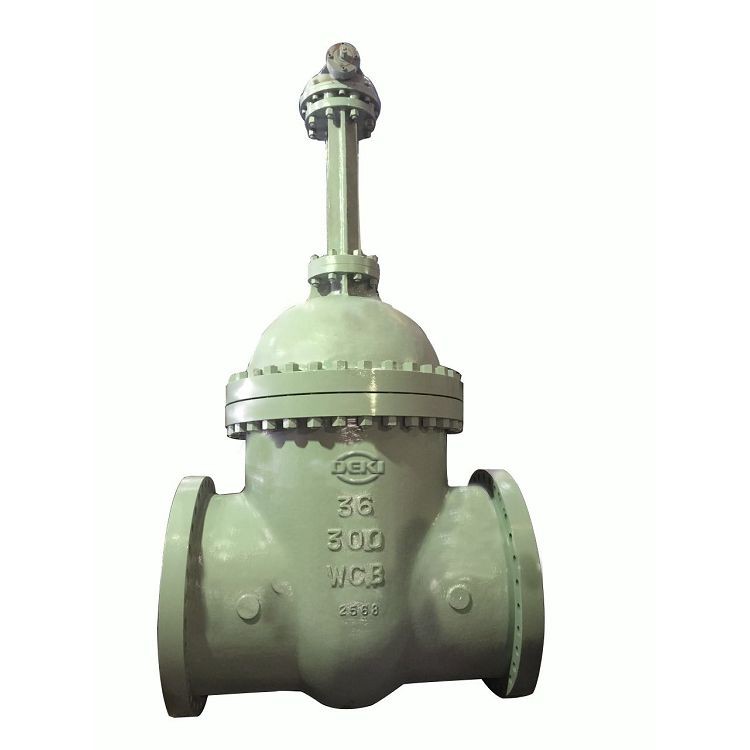

Electric actuator gate valves can be susceptible to cavitation, especially if the valve is not properly sized or operated. To prevent cavitation, we need to make sure the valve is designed to handle the specific pressure and flow conditions of the two - phase system. Our Alloy Steel Pressure Seal Gate Valve is designed to withstand high - pressure applications, which can help reduce the risk of cavitation.
Advantages of Using Electric Actuator Gate Valves in Two - Phase Flow
Despite the challenges, there are some advantages to using electric actuator gate valves in two - phase flow applications.
- Simple Operation: Electric actuators make it easy to open and close the valve remotely. This is really useful in applications where the valve is located in a hard - to - reach or hazardous area.
- Reliable Shut - Off: Gate valves are known for their ability to provide a tight shut - off. In two - phase flow applications, this is important to prevent any leakage of the mixture, which could be dangerous or cause environmental problems.
- Cost - Effective: Compared to some other types of valves, electric actuator gate valves are relatively inexpensive. This makes them a popular choice for many industries, especially when large numbers of valves are needed.
Limitations
However, there are also some limitations.
- Limited Throttling Ability: Gate valves are not designed for throttling applications. In two - phase flow, where the flow rate might need to be adjusted, this can be a drawback. If you try to use a gate valve for throttling, it can cause excessive wear and tear on the valve, and it might not provide accurate flow control.
- Slow Operation: Electric actuator gate valves can be relatively slow to open and close. In some two - phase flow applications, where quick response times are needed, this can be a problem.
Design Considerations for Two - Phase Flow
If you're thinking about using an electric actuator gate valve in a two - phase flow application, there are a few design considerations to keep in mind.
- Material Selection: As I mentioned earlier, erosion and corrosion are big concerns. So, choosing the right materials for the valve is crucial. Our Carbon Steel Flexible Wedge Gate Valve is a good option for less corrosive applications, while stainless steel or alloy steel valves are better for more aggressive environments.
- Valve Sizing: Proper valve sizing is essential to ensure the valve can handle the flow rate and pressure of the two - phase system. An undersized valve can cause excessive pressure drops and cavitation, while an oversized valve can be inefficient and costly.
- Actuator Selection: The electric actuator needs to be sized correctly to provide enough torque to open and close the valve, especially in high - pressure two - phase flow applications.
In conclusion, electric actuator gate valves can be used for two - phase flow applications, but it's not a one - size - fits - all solution. You need to carefully consider the flow characteristics, erosion and corrosion potential, cavitation risk, and other factors. If you're not sure whether an electric actuator gate valve is the right choice for your two - phase flow application, don't hesitate to reach out to us. We have a team of experts who can help you select the best valve for your specific needs. Whether it's for a power plant, an oil and gas pipeline, or any other industry, we're here to provide you with high - quality electric actuator gate valves and professional advice. So, if you're in the market for a valve for your two - phase flow system, let's start a conversation and see how we can work together.
References
- Perry, R. H., & Green, D. W. (1997). Perry's Chemical Engineers' Handbook. McGraw - Hill.
- Coulson, J. M., & Richardson, J. F. (1999). Chemical Engineering. Butterworth - Heinemann.