


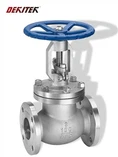

Hey there! I'm a supplier of Duplex Stainless Steel Gate Valves, and today I'm gonna walk you through the process of installing one in a vertical pipeline. It might seem a bit tricky at first, but with the right steps and a bit of know - how, you'll have it up and running in no time.
Pre - installation Checks
Before you even start thinking about getting your hands dirty with the installation, there are a few things you need to check. First off, make sure you've got the right valve for the job. Double - check the size, pressure rating, and temperature range of the valve against your pipeline requirements. You don't want to end up with a valve that's either too small or can't handle the conditions in your pipeline.
Inspect the valve thoroughly for any visible damage. Look for scratches, dents, or any signs of corrosion on the body, stem, and gate. If you find any issues, it's best to contact your supplier (like me!) to get a replacement.
Also, take a good look at the pipeline. Ensure that it's clean and free of any debris, dirt, or rust. Any foreign particles in the pipeline can cause problems with the valve's operation and sealing. You might want to use a pipe cleaner or a compressed air gun to clean it out.
Gathering the Tools
Once you've done your pre - installation checks, it's time to gather the tools you'll need. You'll definitely need a wrench or a socket set to tighten the bolts. The size of the wrench will depend on the size of the valve and the bolts used. A torque wrench is also a great tool to have, as it allows you to tighten the bolts to the correct torque specification, which is crucial for a proper seal.
You'll also need a pipe cutter if you need to make any adjustments to the pipeline length. A sealant or gasket compound can be used to ensure a leak - free connection between the valve and the pipeline. And don't forget a measuring tape to make sure everything is lined up correctly.
Positioning the Valve
Now, let's talk about positioning the valve in the vertical pipeline. The first thing you need to do is determine the correct orientation of the valve. Most Duplex Stainless Steel Gate Valves have an arrow on the body that indicates the flow direction. Make sure this arrow aligns with the direction of the fluid flow in the pipeline.
When positioning the valve, try to place it in an area where it's easily accessible for maintenance and operation. Avoid installing it in a tight space or behind other equipment. You should also leave enough room around the valve for the stem to move freely when the valve is opened or closed.
Making the Connection
Once the valve is in the right position, it's time to make the connection to the pipeline. If you're using flanged connections, place a gasket between the valve flange and the pipeline flange. Make sure the gasket is centered and properly aligned. Then, insert the bolts through the holes in the flanges and hand - tighten the nuts.
After that, use your wrench or torque wrench to tighten the nuts in a criss - cross pattern. This helps to ensure an even distribution of pressure and a proper seal. Tighten the bolts gradually, in small increments, to avoid over - tightening or damaging the flanges.
If you're using threaded connections, apply a suitable thread sealant to the male threads of the valve and the pipeline. Then, carefully screw the valve onto the pipeline, turning it clockwise until it's snug. Use a wrench to give it a final tightening, but be careful not to overtighten, as this can damage the threads.
Testing the Valve
Once the valve is installed, it's important to test it to make sure it's working properly. First, close the valve completely. Then, slowly open the upstream valve to allow fluid to enter the pipeline. Check for any leaks around the valve connections. If you notice any leaks, tighten the bolts or nuts a little more, or re - apply the sealant.
Next, open and close the valve a few times to make sure the stem moves smoothly and the gate opens and closes fully. Listen for any unusual noises, such as grinding or rattling, which could indicate a problem with the valve's operation.
Maintenance Tips
After the installation and testing, it's important to keep up with regular maintenance to ensure the long - term performance of your Duplex Stainless Steel Gate Valve. Check the valve periodically for any signs of wear or damage. Lubricate the stem and other moving parts as recommended by the manufacturer.
If you're dealing with high - pressure or high - temperature applications, you might want to consider using valves designed for these conditions. Check out our High Pressure And High Temperature Gate Valves for more information.
For a reliable and flexible option, our Stainless Steel Flexible Wedge Gate Valve is a great choice. And if you're looking for a cast steel option, take a look at our Cast Steel Pressure Seal Gate Valve.
Conclusion
Installing a Duplex Stainless Steel Gate Valve in a vertical pipeline might seem like a daunting task, but if you follow these steps, you'll be able to do it successfully. Remember to do your pre - installation checks, gather the right tools, position the valve correctly, make a proper connection, and test the valve before putting it into full operation.
If you have any questions or need further assistance with the installation or selection of a Duplex Stainless Steel Gate Valve, don't hesitate to contact us. We're here to help you make the right choice for your pipeline system. Whether you're a small - scale operation or a large industrial facility, we've got the valves and expertise to meet your needs. So, let's start a conversation and see how we can work together to get your pipeline running smoothly.


References
- Valve Installation and Maintenance Manuals from Duplex Stainless Steel Gate Valve Manufacturers
- Industry Standards for Pipeline Installation and Valve Operation