



Hey there! As a supplier of Triple Offset Lug Type Butterfly Valves, I often get asked about various technical details of these valves. One question that pops up quite frequently is, "What is the valve body thickness of a triple offset lug type butterfly valve?" Well, let's dive right into it.
Understanding Triple Offset Lug Type Butterfly Valves
First off, triple offset lug type butterfly valves are pretty cool pieces of engineering. They're designed to handle high - pressure and high - temperature applications, making them a go - to choice in industries like oil and gas, power generation, and chemical processing. The triple offset design reduces friction between the disc and the seat, which means less wear and tear and a longer service life.

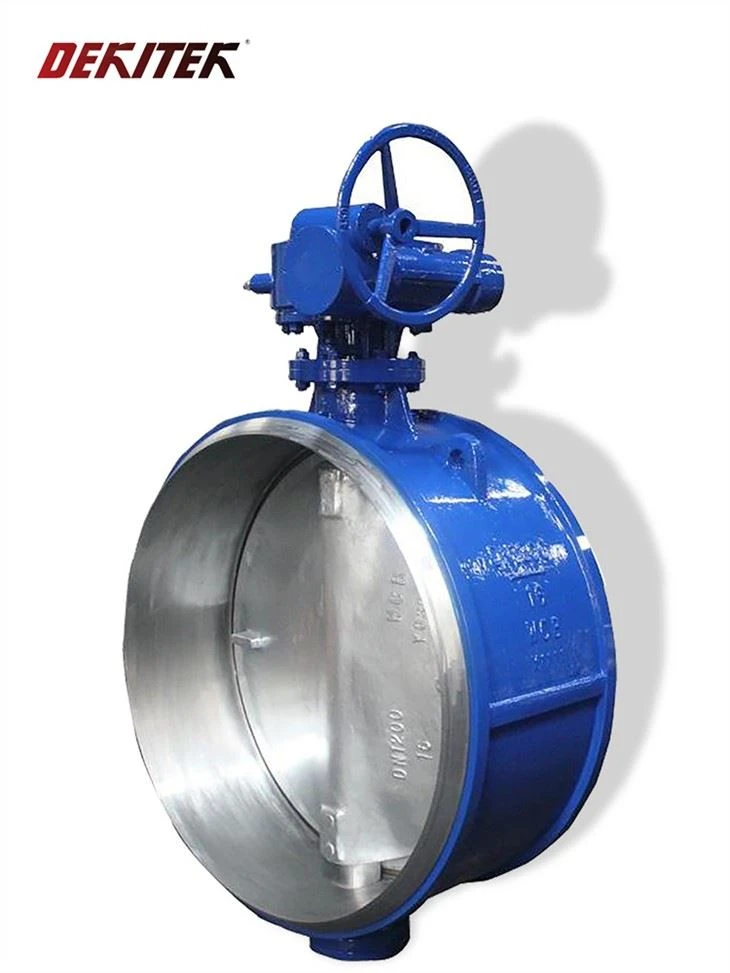
The lug type construction allows for easy installation between two flanges. You can mount it between standard pipe flanges without the need for special adapters. This makes it a flexible option for different piping systems.
Factors Affecting Valve Body Thickness
The valve body thickness of a triple offset lug type butterfly valve isn't a one - size - fits - all thing. It depends on several factors:
Pressure Rating
One of the most important factors is the pressure rating of the valve. Higher pressure applications require thicker valve bodies to withstand the internal forces. For example, a valve designed for a low - pressure system, say up to 150 psi, might have a relatively thin body. But if you're dealing with a high - pressure system, like one in an oil refinery where pressures can reach 600 psi or more, the valve body needs to be much thicker to prevent any leaks or failures.
Size of the Valve
The size of the valve also plays a big role. Larger valves generally have thicker bodies. This is because as the diameter of the valve increases, the surface area exposed to the internal pressure also grows. To maintain structural integrity, the body thickness has to be increased. A small - sized triple offset lug type butterfly valve, like a 2 - inch valve, will have a thinner body compared to a 12 - inch valve.
Material of Construction
The material used to make the valve body is another key factor. Different materials have different strength properties. For instance, a valve body made of carbon steel might have a different thickness compared to one made of stainless steel or alloy steel. Stainless steel is often used in corrosive environments, and it can sometimes allow for a slightly thinner body due to its high strength - to - weight ratio.
Calculating Valve Body Thickness
Calculating the valve body thickness isn't a simple task. It usually involves complex engineering calculations based on industry standards and codes. The American Society of Mechanical Engineers (ASME) has specific standards for valve design, including guidelines on body thickness. These standards take into account all the factors we discussed earlier, like pressure rating, size, and material.
Manufacturers use computer - aided design (CAD) software and finite element analysis (FEA) to simulate the performance of the valve under different conditions. This helps them determine the optimal body thickness to ensure the valve can operate safely and efficiently.
Typical Ranges of Valve Body Thickness
It's hard to give an exact number for the valve body thickness because it varies so much. But generally speaking, for small - sized (2 - 4 inches) triple offset lug type butterfly valves with a low - pressure rating (up to 150 psi), the body thickness might be around 0.25 - 0.5 inches. For medium - sized (6 - 10 inches) valves with a medium - pressure rating (300 - 600 psi), the thickness could range from 0.5 - 1 inch. And for large - sized (12 inches and above) valves in high - pressure applications, the body thickness can be 1 inch or more.
Importance of Correct Valve Body Thickness
Getting the valve body thickness right is crucial. If the body is too thin, it might not be able to withstand the internal pressure, leading to leaks, bursts, or other failures. This can be extremely dangerous, especially in industries where the fluids being handled are hazardous.
On the other hand, if the body is too thick, it can add unnecessary weight and cost to the valve. Plus, it might also make the valve more difficult to install and maintain.
Our Offerings
At our company, we specialize in manufacturing high - quality triple offset lug type butterfly valves. We take all the factors into account when designing and producing our valves. Whether you need a valve for a low - pressure, small - sized application or a high - pressure, large - sized one, we've got you covered.
We also offer other types of butterfly valves, like the Flange End Metal Sealing Butterfly Valve, the BW Type Metal Sealing Butterfly Valve, and the Double Offset Butt Weld End Butterfly Valve. Each of these valves is designed to meet specific industry needs.
Why Choose Us
We have a team of experienced engineers who are experts in valve design. They use the latest technology and follow strict quality control measures to ensure that every valve we produce meets the highest standards. Our valves are known for their reliability, durability, and performance.
If you're in the market for a triple offset lug type butterfly valve or any of our other products, don't hesitate to get in touch. We're here to help you find the right valve for your application. Whether you have questions about valve body thickness or any other technical details, our team is ready to answer them.
Conclusion
The valve body thickness of a triple offset lug type butterfly valve is a complex topic that depends on multiple factors. By understanding these factors, you can make a more informed decision when choosing a valve for your specific application. And if you're looking for a reliable supplier, we're here to assist you. So, if you're interested in purchasing our valves or just want to learn more, reach out to us for a detailed discussion. Let's work together to find the perfect valve solution for your needs.
References
- ASME Boiler and Pressure Vessel Code
- Valve Design and Engineering Manuals
- Industry Research Papers on Butterfly Valve Technology