


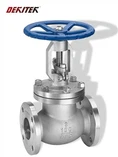

Hey there! As a supplier of Double Offset Lug Type Butterfly Valves, I'm stoked to share some tips on how to calibrate these bad boys. Calibration is super important to make sure your valve works at its best, giving you reliable performance and long - lasting durability.
First off, let's understand what a Double Offset Lug Type Butterfly Valve is. These valves are pretty awesome. The double offset design reduces friction between the disc and the seat, which means less wear and tear and a longer lifespan. They're used in a bunch of industries, like water treatment, chemical processing, and power generation. If you want to learn more about them, check out Double Offset Lug Type Butterfly Valve.
Pre - calibration Checks
Before you start the calibration process, you need to do a few checks. First, visually inspect the valve. Look for any signs of damage, like cracks in the body, bent stems, or worn - out seats. If you find any issues, it's best to fix them before you calibrate. You don't want to waste time calibrating a valve that's going to fail soon anyway.
Next, make sure the valve is clean. Dirt, debris, or corrosion can mess up the calibration and cause the valve to malfunction. Use a suitable cleaning agent and a soft brush to clean the valve thoroughly. Pay special attention to the disc, seat, and stem areas.
Also, check the actuator. The actuator is what makes the valve open and close. Make sure it's properly installed, and all the connections are tight. Check the power supply if it's an electric actuator, or the air pressure if it's a pneumatic one. A faulty actuator can lead to inaccurate calibration.
Step - by - Step Calibration Process
Step 1: Initial Positioning
The first step in calibration is to position the valve in the fully closed position. This is crucial because all the subsequent measurements and adjustments are based on this starting point. You can use the actuator to close the valve slowly and make sure it's fully seated.
Step 2: Measuring the Stem Position
Once the valve is fully closed, measure the position of the stem. You can use a dial indicator or a similar measuring tool. This measurement will give you a baseline for the valve's closed position. Record this measurement accurately, as you'll need it later.
Step 3: Opening the Valve
Now, start opening the valve using the actuator. Open it in small increments, like 10% at a time. After each increment, measure the stem position again. You'll notice that as the valve opens, the stem moves. Keep a record of the stem position at each opening percentage.
Step 4: Checking the Travel
The travel of the valve refers to the range of movement from the fully closed to the fully open position. Make sure the valve travels smoothly through its entire range. If you feel any resistance or if the valve gets stuck at any point, there might be an issue with the valve or the actuator.
Step 5: Adjusting the Actuator
Based on your measurements, you may need to adjust the actuator. If the valve isn't opening or closing as expected, you can adjust the actuator's stroke length or the position of the limit switches. For example, if the valve doesn't fully open, you can increase the stroke length of the actuator.
Step 6: Verifying the Calibration
After making the adjustments, repeat the opening and closing process. Check the stem position at different opening percentages again. Compare these new measurements with your original ones. If the measurements are consistent and within the acceptable tolerance range, then your valve is calibrated correctly.
Special Considerations
There are a few special things to keep in mind when calibrating a Double Offset Lug Type Butterfly Valve.
Temperature and Pressure
The temperature and pressure of the fluid flowing through the valve can affect its performance. Make sure you calibrate the valve under the same temperature and pressure conditions as it will operate in. For example, if the valve is going to be used in a high - temperature environment, calibrate it at that temperature.
Sealing Performance
The sealing performance of the valve is really important. After calibration, check the sealing of the valve. You can do this by applying a test pressure and checking for any leaks. If there are leaks, you may need to adjust the seat or replace it if it's worn out.
Comparing with Other Valve Types
If you're familiar with other types of butterfly valves, like the Triple Offset Lug Type Butterfly Valve or the BW Type Metal Sealing Butterfly Valve, you'll notice that the calibration process has some similarities but also some differences. The double offset design gives this valve unique characteristics that need to be considered during calibration.
Why Calibration Matters
Calibrating your Double Offset Lug Type Butterfly Valve has a bunch of benefits. First, it ensures accurate flow control. Whether you're controlling the flow of water, chemicals, or any other fluid, a properly calibrated valve will give you precise control.


Second, it improves the valve's lifespan. When a valve is calibrated correctly, there's less stress on the components, which means less wear and tear. This can save you money in the long run by reducing the need for frequent replacements.
Finally, it enhances safety. In industries where valves are used to control dangerous fluids or high - pressure systems, a properly calibrated valve can prevent accidents and ensure the safety of your workers and equipment.
Wrapping It Up
So, there you have it! That's how you calibrate a Double Offset Lug Type Butterfly Valve. It might seem a bit complicated at first, but with a little practice and attention to detail, you'll be able to do it like a pro.
If you're in the market for a high - quality Double Offset Lug Type Butterfly Valve or need more advice on calibration, don't hesitate to reach out. We're here to help you make the best choice for your application.
References
- "Valve Handbook: Principles and Applications"
- Industry standards for butterfly valve calibration