



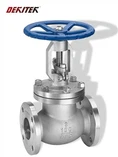

Hey there! As a supplier of Forged Floating Soft Seated Ball Valves, I often get asked about the valve body material. So, I thought I'd write this blog to shed some light on this topic.
Let's start by understanding what a Forged Floating Soft Seated Ball Valve is. It's a type of valve where the ball is floating and has a soft seat. This design allows for a tight seal, which is great for applications where leakage prevention is crucial. These valves are widely used in various industries, including oil and gas, chemical, and water treatment.
Now, let's talk about the valve body material. The choice of material for the valve body is super important as it directly affects the valve's performance, durability, and resistance to different environments. There are several common materials used for the valve body of a Forged Floating Soft Seated Ball Valve, and I'll go through them one by one.
Carbon Steel
Carbon steel is one of the most commonly used materials for valve bodies. It's strong, durable, and relatively inexpensive. Carbon steel valves can handle high pressures and temperatures, making them suitable for a wide range of applications. They are often used in the oil and gas industry, especially in pipelines and refineries.
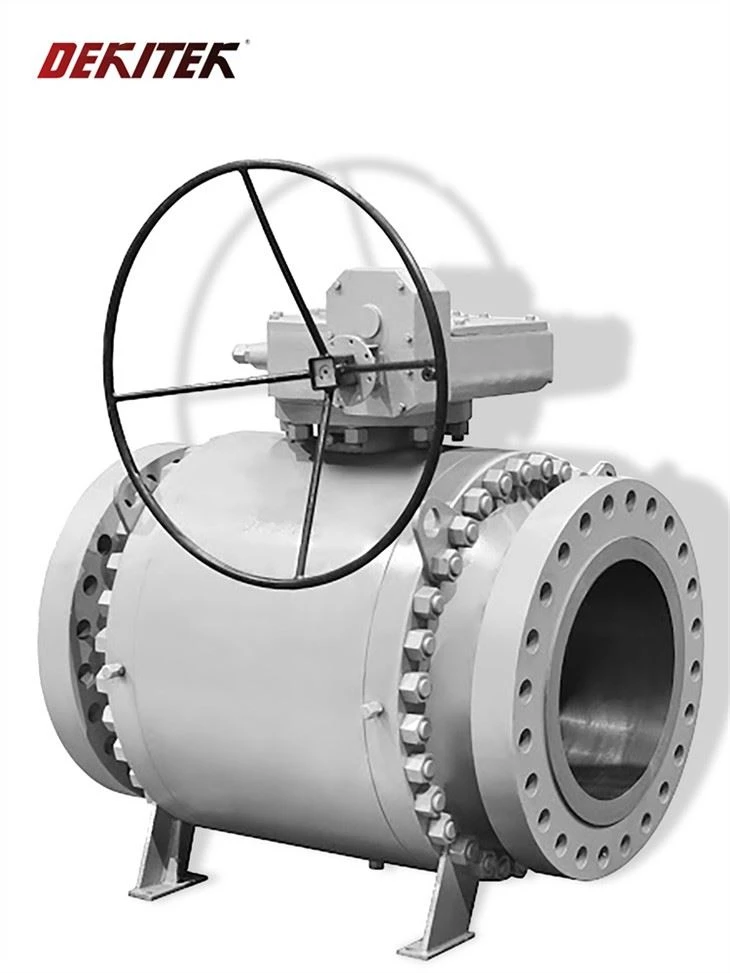

One of the advantages of carbon steel is its weldability. This makes it easy to manufacture and repair the valve body. However, carbon steel is prone to corrosion, especially in environments with high humidity or the presence of corrosive substances. To prevent corrosion, carbon steel valves are often coated or painted.
Stainless Steel
Stainless steel is another popular choice for valve bodies. It offers excellent corrosion resistance, which makes it ideal for applications in harsh environments. Stainless steel valves are commonly used in the chemical and food processing industries, where they come into contact with corrosive chemicals and food products.
There are different grades of stainless steel, such as 304 and 316. Grade 304 stainless steel is a general-purpose grade that offers good corrosion resistance. Grade 316 stainless steel, on the other hand, contains molybdenum, which provides enhanced corrosion resistance, especially in chloride-rich environments.
Stainless steel valves are also aesthetically pleasing and have a long service life. However, they are more expensive than carbon steel valves, which can be a drawback for some applications.
Alloy Steel
Alloy steel is a type of steel that contains additional alloying elements, such as chromium, nickel, and molybdenum. These alloying elements enhance the steel's strength, hardness, and corrosion resistance. Alloy steel valves are often used in high-temperature and high-pressure applications, such as power plants and petrochemical industries.
One of the advantages of alloy steel is its ability to maintain its mechanical properties at elevated temperatures. This makes it suitable for applications where the valve is exposed to extreme heat. However, alloy steel valves are more expensive than carbon steel valves and require more careful handling during manufacturing and installation.
Bronze
Bronze is a copper-based alloy that is known for its excellent corrosion resistance and low friction. Bronze valves are commonly used in water and steam applications, such as plumbing and heating systems. They are also used in marine applications, where they are exposed to saltwater.
Bronze valves are relatively easy to machine and have a good appearance. However, they are not suitable for high-pressure applications and are more expensive than carbon steel valves.
Comparison of Valve Body Materials
Now that we've discussed the different valve body materials, let's compare them based on some key factors:
| Material | Strength | Corrosion Resistance | Cost | Temperature Resistance |
|---|---|---|---|---|
| Carbon Steel | High | Low | Low | High |
| Stainless Steel | High | High | High | High |
| Alloy Steel | High | High | High | Very High |
| Bronze | Medium | High | Medium | Medium |
As you can see, each material has its own advantages and disadvantages. The choice of material depends on the specific application requirements, such as pressure, temperature, corrosion resistance, and cost.
Other Considerations
In addition to the valve body material, there are other factors to consider when choosing a Forged Floating Soft Seated Ball Valve. These include the seat material, stem material, and end connection type.
The seat material is important as it determines the valve's sealing performance. Soft seat materials, such as PTFE and NBR, offer excellent sealing properties but may have limitations in terms of temperature and chemical resistance. Metal seat materials, on the other hand, can handle higher temperatures and pressures but may not provide as tight a seal as soft seat materials.
The stem material should be strong and corrosion-resistant to ensure smooth operation of the valve. Common stem materials include stainless steel and alloy steel.
The end connection type is also important as it determines how the valve is connected to the pipeline. Common end connection types include flanged, threaded, and welded connections.
Conclusion
In conclusion, the valve body material of a Forged Floating Soft Seated Ball Valve plays a crucial role in its performance and durability. There are several common materials to choose from, including carbon steel, stainless steel, alloy steel, and bronze. Each material has its own advantages and disadvantages, and the choice of material depends on the specific application requirements.
As a supplier of Forged Floating Soft Seated Ball Valves, we offer a wide range of valve body materials to meet the needs of our customers. We also provide high-quality valves with excellent sealing performance and long service life. If you're in the market for a Forged Floating Soft Seated Ball Valve, I encourage you to contact us to discuss your requirements. We'd be happy to help you find the right valve for your application.
If you're interested in other types of ball valves, you can check out our Forged Floating Metal Seated Ball Valve, Top Entry Ball Valve, and Trunnion Mounted Soft Seated Ball Valve pages.
References
- Valve Handbook, Third Edition, by Robert K. Stokes
- Valve Selection Handbook, Second Edition, by Les Wright