


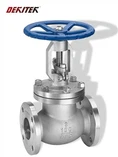

What is the Temperature Rating of a Pneumatic Actuator Gate Valve?
As a premier supplier of Pneumatic Actuator Gate Valves, I'm constantly engaged in in - depth discussions with customers regarding the technical aspects of our products. One critical inquiry that surfaces quite often is about the temperature rating of these gate valves. Understanding the temperature rating is crucial as it significantly impacts the performance, safety, and lifespan of the valve in a given application.
Importance of Temperature Rating
The temperature rating of a Pneumatic Actuator Gate Valve refers to the range of temperatures within which the valve can operate effectively and safely. It is a fundamental specification that dictates where and how the valve can be used. In industrial settings, exposure to extreme temperatures is common, whether it's high - temperature steam in power plants or cryogenic fluids in the chemical and gas industries. If a valve is used outside its temperature rating, it can lead to a host of issues.
For instance, at high temperatures, the materials of the valve can expand, which may cause the valve to jam or leak. The lubricants used in the pneumatic actuator can degrade, reducing its efficiency. High - temperature environments can also accelerate the corrosion of valve components, decreasing the valve's lifespan. On the other hand, low - temperature conditions can make the valve materials brittle, increasing the risk of cracking.
Factors Affecting Temperature Rating
Several factors contribute to the temperature rating of a Pneumatic Actuator Gate Valve. The first and most obvious is the material of construction. Different materials have different temperature tolerances.
-
Body and Trim Materials: Common materials for the valve body, such as cast iron, carbon steel, stainless steel, and alloy steel, each have distinct temperature capabilities. Carbon steel is widely used due to its good strength and economy, and it can typically withstand temperatures up to around 425°C. However, Stainless Steel Pressure Seal Gate Valve offers better corrosion resistance and can handle higher temperatures, often up to 600°C or more depending on the grade. Duplex Stainless Steel Pressure Seal Gate Valve combines the benefits of austenitic and ferritic stainless steels, providing enhanced strength and corrosion resistance, and can operate in a wide temperature range, making it suitable for demanding applications.
-
Seal Materials: The seals in a gate valve are also critical. Elastomeric seals, such as rubber, are commonly used. However, they have relatively low - temperature limits. For example, nitrile rubber seals can typically operate in the range of - 40°C to 100°C. In high - temperature applications, PTFE (Polytetrafluoroethylene) or graphite - based seals are preferred. PTFE seals can withstand temperatures up to around 260°C, while graphite seals can handle extremely high temperatures, sometimes up to 1000°C in certain environments.
-
Actuator Considerations: The pneumatic actuator itself also has temperature limitations. The rubber diaphragms or O - rings within the actuator can be affected by temperature. High temperatures can cause the rubber to lose its elasticity and sealability, while low temperatures can make it brittle. Specialized actuators with temperature - resistant components are available for extreme temperature applications.
Temperature Rating Categories
We can generally categorize the temperature ratings of Pneumatic Actuator Gate Valves into three main groups:
-
Low - Temperature Applications: These are typically applications where the temperature is below 0°C. Such applications are common in cryogenic industries, like the storage and transportation of liquefied natural gas (LNG), where temperatures can reach as low as - 162°C. For these applications, gate valves are made of materials that can resist embrittlement and maintain their integrity. Special cryogenic valves are designed with materials such as stainless steel and nickel - based alloys, and they often have additional insulation to protect the actuator from the cold.
-
Medium - Temperature Applications: This category covers temperatures ranging from 0°C to around 400°C. Many industrial processes, such as water treatment plants, food processing, and some chemical manufacturing operations, fall into this range. Carbon steel and standard stainless - steel gate valves are often sufficient for these applications, along with appropriate seals and actuator components.


-
High - Temperature Applications: Applications with temperatures above 400°C are considered high - temperature. Power generation plants, refineries, and certain metallurgical processes require valves that can withstand extreme heat. Alloy steel or high - grade stainless - steel valves with high - temperature seals and actuators are necessary. For example, in a steam power plant, the steam temperature can reach over 500°C, and the valves must be designed to operate under these conditions reliably.
How We Ensure Appropriate Temperature Ratings
As a supplier, we take multiple steps to ensure that our Pneumatic Actuator Gate Valves meet the required temperature ratings.
-
Material Selection: We carefully choose the materials for the valve body, trim, and seals based on the specific application requirements. Our engineering team conducts a thorough analysis of the customer's operating conditions, including temperature, pressure, and the nature of the fluid being handled. This ensures that the valve is made of the most suitable materials to withstand the temperature range.
-
Testing: All our valves undergo rigorous temperature testing. We simulate different temperature conditions in our testing facilities to ensure that the valve operates smoothly and safely. This includes testing the valve's opening and closing functions, as well as checking for any signs of leakage or material degradation at the specified temperatures.
-
Customization: We understand that every customer's needs are unique. If a customer requires a valve with a specific temperature rating that is not part of our standard product range, we offer customization services. Our experienced engineers can design and manufacture a valve that meets the exact temperature requirements of the application.
Comparing with Other Actuator Types
When considering gate valves, it's also important to compare the temperature ratings of pneumatic actuators with other types, such as electric actuators. Electric Actuator Gate Valve has its own set of advantages and disadvantages in relation to temperature.
Pneumatic actuators are generally more suitable for high - temperature applications compared to some electric actuators. Electric actuators often have electronic components that can be more sensitive to heat. However, electric actuators can be more precise in their operation, which may be beneficial in some low - to medium - temperature applications where accurate positioning is required.
Guiding the Purchase Decision
Whether you're in the chemical, power, food, or any other industry, choosing the right Pneumatic Actuator Gate Valve with the appropriate temperature rating is essential. We, as a leading supplier, are committed to providing you with high - quality valves that meet your specific temperature requirements.
If you're unsure about which temperature rating is suitable for your application, our team of experts is ready to assist you. We can provide detailed technical advice, help you select the right valve materials, and guide you through the entire purchasing process.
Contact us today to start a discussion about your Pneumatic Actuator Gate Valve needs. We look forward to the opportunity to work with you and provide solutions that enhance the efficiency and safety of your operations.
References
- Valve Handbook, 4th Edition, CRC Press
- ASME Standards for Valves and Fittings
- API (American Petroleum Institute) Standards for Oil and Gas Industry Valves