


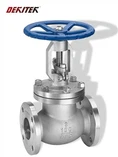

Hey there! As a supplier of Electric Actuator Gate Valves, I often get asked about the sealing performance of these valves. So, I thought I'd take a few minutes to break it down for you and explain why it's such a crucial aspect of these valves.
Understanding Electric Actuator Gate Valves
First off, let's quickly go over what an electric actuator gate valve is. It's a type of valve that uses an electric actuator to open and close the gate. The gate is a flat or wedge - shaped disc that moves up and down to control the flow of fluid through the valve. These valves are commonly used in various industries, including oil and gas, water treatment, and power generation.
Why Sealing Performance Matters
The sealing performance of an electric actuator gate valve is super important. Think about it - if the valve doesn't seal properly, you're going to have leaks. And leaks can lead to all sorts of problems. In an industrial setting, leaks can waste valuable resources, cause environmental issues, and even pose safety risks. For example, in an oil pipeline, a leak could result in oil spills, which are not only bad for the environment but also costly to clean up.
Factors Affecting Sealing Performance
There are several factors that can affect the sealing performance of an electric actuator gate valve.
Material Selection
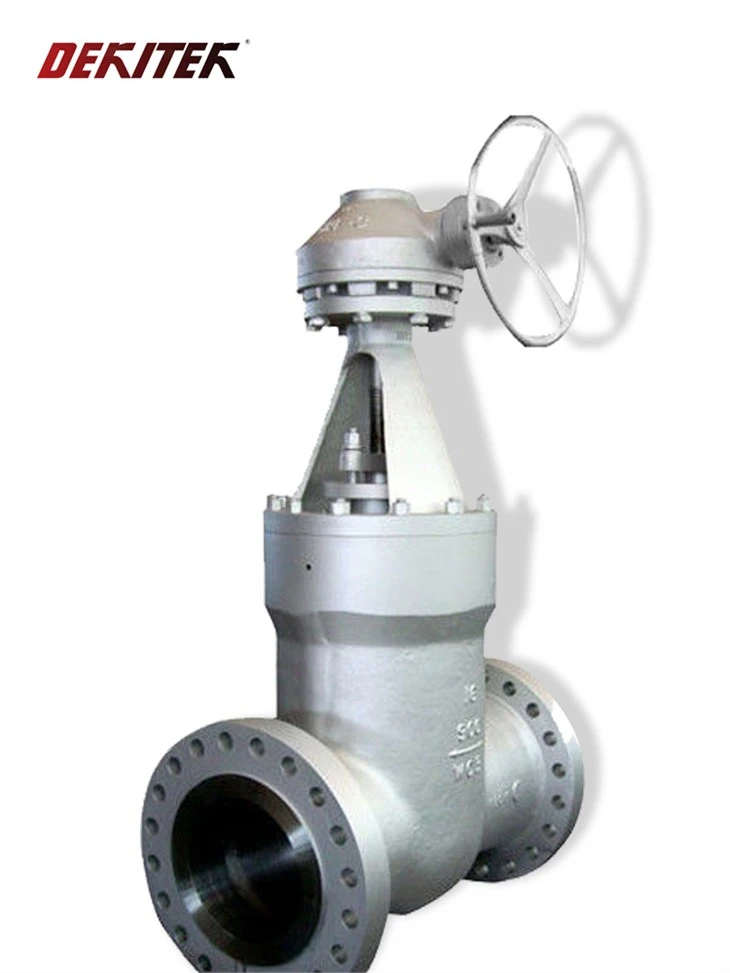
The materials used to make the valve components play a huge role. The gate, seat, and body of the valve need to be made from materials that are compatible with the fluid they'll be handling. For instance, if you're dealing with corrosive fluids, you'll want to use corrosion - resistant materials. We offer a range of valves made from different materials, like the Alloy Steel Pressure Seal Gate Valve. Alloy steel is known for its strength and corrosion resistance, making it a great choice for many industrial applications.

Design of the Valve
The design of the valve also impacts its sealing performance. A well - designed valve will have a proper seating mechanism that ensures a tight seal when the gate is closed. The shape of the gate and the seat, as well as the way they interact, are crucial. For example, a wedge - shaped gate can provide a better seal in some applications compared to a flat gate. Our Duplex Stainless Steel Gate Valve is designed with precision to ensure optimal sealing. Duplex stainless steel offers high strength and excellent corrosion resistance, and the valve's design helps to maximize its sealing capabilities.
Installation and Maintenance
Proper installation and regular maintenance are essential for good sealing performance. If the valve is not installed correctly, it may not be able to form a proper seal. And over time, wear and tear can affect the sealing components. Regular maintenance, such as cleaning, lubricating, and inspecting the valve, can help to keep it in good working condition. For example, checking the packing around the stem to make sure it's not leaking and replacing worn - out parts can go a long way in maintaining the valve's sealing performance.
Testing the Sealing Performance
We take the sealing performance of our electric actuator gate valves very seriously. Before we send a valve out to a customer, we put it through a series of tests. One of the most common tests is the hydrostatic test. In this test, the valve is filled with water and pressurized to a certain level. We then check for any leaks. If there are no leaks, it means the valve has passed the test and is likely to have good sealing performance in the field.
Another test we use is the gas test. This test is similar to the hydrostatic test, but instead of water, we use gas, usually air or nitrogen. Gas tests can be more sensitive in detecting small leaks, so they're a great way to ensure the valve's sealing integrity.
Applications and Sealing Requirements
Different applications have different sealing requirements. In some cases, a low - pressure seal may be sufficient, while in others, a high - pressure seal is necessary. For example, in a water distribution system, the pressure is relatively low, so the valve doesn't need to have an extremely high - pressure sealing capability. However, in a high - pressure steam line in a power plant, the valve needs to be able to withstand high pressures and temperatures while maintaining a tight seal. Our Duplex Stainless Steel Pressure Seal Gate Valve is designed to meet the high - pressure sealing requirements of such applications.
Improving Sealing Performance
If you're experiencing issues with the sealing performance of your electric actuator gate valve, there are a few things you can do. First, make sure the valve is installed correctly. Check the alignment of the valve and make sure all the bolts are tightened to the proper torque. Second, perform regular maintenance. This includes cleaning the valve, lubricating the moving parts, and replacing any worn - out components.
If the problem persists, it may be time to consider upgrading the valve. We can help you choose the right valve for your application based on your sealing requirements. Our team of experts can analyze your needs and recommend the best valve solution.
Conclusion
In conclusion, the sealing performance of an electric actuator gate valve is a critical factor that can't be overlooked. It affects the efficiency, safety, and environmental impact of your operations. By choosing the right valve materials, design, and ensuring proper installation and maintenance, you can ensure that your valve has excellent sealing performance.
If you're in the market for an electric actuator gate valve or need help with your existing valves, don't hesitate to get in touch. We're here to assist you with all your valve needs and help you find the best solution for your application.
References
- "Valve Handbook" by J. R. Netter
- "Industrial Valves: Selection, Specification, and Sizing" by A. R. Green