


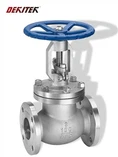

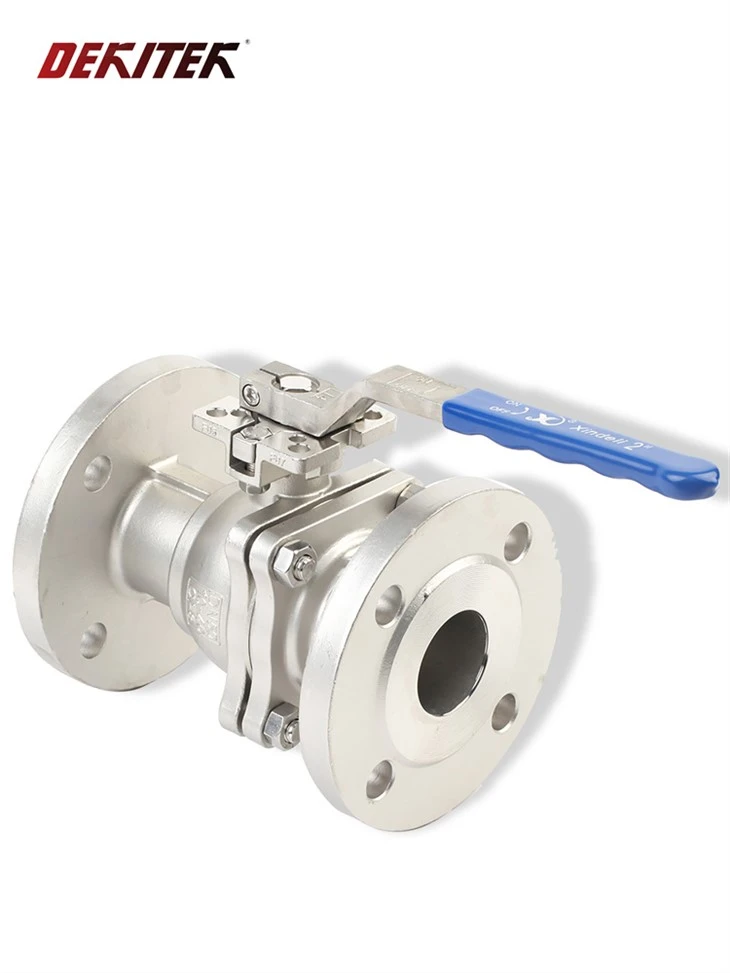
The opening and closing torque of a forged floating soft seated ball valve is a critical performance parameter that significantly impacts its operation, application, and overall efficiency. As a trusted supplier of Forged Floating Soft Seated Ball Valve, we understand the importance of these torques and are committed to providing high - quality valves with optimal torque characteristics.
Understanding Torque in Ball Valves
Torque, in the context of ball valves, refers to the rotational force required to turn the valve stem and move the ball from the open to the closed position or vice versa. It is measured in units such as Newton - meters (N·m) or foot - pounds (ft - lb). The opening and closing torques are not always the same, and several factors influence their values.
Factors Affecting Opening and Closing Torques
Seat Design and Material
The soft seat in a forged floating soft seated ball valve is a key component that affects torque. Soft seats are typically made from materials like PTFE (Polytetrafluoroethylene), NBR (Nitrile Butadiene Rubber), or other elastomers. These materials offer excellent sealing properties but also create friction against the ball.
The design of the seat, including its shape, thickness, and compression ratio, plays a vital role. A well - designed seat with the right amount of compression can provide a tight seal while keeping the torque within acceptable limits. For example, if the seat is over - compressed, the friction between the seat and the ball increases, resulting in higher opening and closing torques.
Ball - Seat Interface
The interface between the ball and the seat is another crucial factor. The surface finish of the ball and the seat can significantly impact the friction coefficient. A smooth ball surface reduces friction, making it easier to turn the valve. However, any scratches, dents, or contaminants at the ball - seat interface can increase friction and raise the torque requirements.
Pressure Differential
The pressure difference across the valve, also known as the pressure differential, has a substantial influence on the opening and closing torques. When the valve is closed, the higher the pressure differential, the greater the force pressing the ball against the seat. This increased force leads to higher friction and, consequently, higher opening torques.
For instance, in high - pressure applications, such as in oil and gas pipelines, the opening torque can be significantly higher than in low - pressure systems. Our Forged Floating Soft Seated Ball Valve is designed to handle a wide range of pressure differentials while maintaining reasonable torque values.
Valve Size
The physical size of the valve is directly related to the opening and closing torques. Larger valves generally have higher torques because they have a larger ball and seat area. The increased surface area means more friction and a greater force required to turn the ball. As a result, when selecting a valve for a particular application, it is essential to consider the size and its corresponding torque requirements.
Measuring Opening and Closing Torques
Accurately measuring the opening and closing torques is crucial for ensuring the proper operation of the valve. There are several methods for torque measurement:
Torque Wrenches
Torque wrenches are a common tool for measuring torque. A torque wrench is attached to the valve stem, and as the valve is opened or closed, the wrench measures the amount of force applied. This method is relatively simple and cost - effective but may not provide highly accurate results in some cases.
Torque Sensors
Torque sensors are more advanced devices that can provide precise torque measurements. These sensors are often integrated into the valve actuator or installed between the actuator and the valve stem. They can measure the torque in real - time and provide detailed data for analysis.
Importance of Proper Torque in Forged Floating Soft Seated Ball Valves
Sealing Performance
Proper opening and closing torques are essential for maintaining the sealing performance of the valve. If the torque is too low, the ball may not be pressed firmly against the seat, resulting in leakage. On the other hand, if the torque is too high, it can damage the seat or the ball, also leading to sealing issues over time.
Actuator Selection
The opening and closing torques determine the size and type of actuator required for the valve. An actuator must be able to provide enough force to open and close the valve under all operating conditions. Selecting an actuator with insufficient torque can lead to valve malfunction, while an oversized actuator can be costly and inefficient.

System Efficiency
In a fluid handling system, the torque requirements of the valve can affect the overall system efficiency. High - torque valves require more energy to operate, which can increase the operating costs. By ensuring that the valve has the appropriate opening and closing torques, the system can operate more efficiently.
Comparison with Other Types of Ball Valves
Cast Steel Metal Seated Floating Ball Valve
Cast steel metal seated floating ball valves typically have higher opening and closing torques compared to forged floating soft seated ball valves. Metal seats are harder and create more friction against the ball. However, they are more suitable for high - temperature and high - pressure applications where soft seats may not be able to withstand the conditions.
Forged Floating Metal Seated Ball Valve
Forged floating metal seated ball valves also have relatively high torques due to the metal - to - metal contact. These valves are often used in applications where durability and resistance to harsh environments are required. In contrast, our forged floating soft seated ball valves offer lower torques, making them more energy - efficient in many common applications.
Our Expertise as a Forged Floating Soft Seated Ball Valve Supplier
As a leading supplier of forged floating soft seated ball valves, we have extensive experience in designing and manufacturing valves with optimal opening and closing torques. Our engineering team uses advanced simulation tools to analyze the torque requirements based on different application scenarios.
We carefully select the seat materials and optimize the seat design to ensure a balance between sealing performance and torque. Our quality control process includes rigorous torque testing to guarantee that each valve meets the specified torque requirements.
If you are in need of a high - quality forged floating soft seated ball valve with appropriate opening and closing torques for your application, we invite you to contact us for procurement and further discussion. Our team of experts is ready to assist you in selecting the right valve and providing comprehensive technical support.
References
- Valve Handbook, Edited by William A. Nayfeh, CRC Press
- ASME B16.34 - 2017, Valves - Flanged, Threaded, and Welding End