



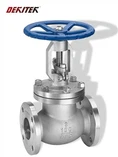

The opening and closing speed of a valve is a critical factor that can significantly influence the performance of a lug type metal sealing butterfly valve. As a leading supplier of lug type metal sealing butterfly valves, I've witnessed firsthand how this parameter can impact various aspects of valve operation, from flow control to the overall lifespan of the valve. In this blog, I'll delve into the effects of valve opening and closing speed on the performance of lug type metal sealing butterfly valves and why it matters for your applications.
Flow Control and System Stability
One of the primary functions of a butterfly valve is to regulate the flow of fluids within a pipeline. The speed at which the valve opens and closes can have a profound impact on the flow characteristics and the stability of the entire system.
When a lug type metal sealing butterfly valve is opened slowly, it allows for a gradual increase in flow rate. This is particularly beneficial in applications where sudden changes in flow can cause issues such as water hammer, pressure surges, or instability in the process. For example, in a water distribution system, a slow opening valve can prevent damage to pipes and fittings by minimizing the shock waves that occur when the flow is suddenly initiated.
Conversely, a rapid opening valve can be advantageous in situations where a quick response is required. In emergency shutdown systems, for instance, a fast-opening valve can rapidly isolate a section of the pipeline to prevent the spread of hazardous materials or to protect equipment from damage. However, it's important to note that rapid opening can also lead to increased turbulence and pressure drops, which may affect the efficiency of the system.
The closing speed of the valve is equally important. A slow closing valve can help to prevent water hammer and reduce the stress on the valve and the pipeline. By gradually reducing the flow rate, the valve allows the fluid to decelerate smoothly, minimizing the risk of pressure spikes. On the other hand, a fast closing valve may be necessary in certain applications to prevent backflow or to quickly shut off the flow in case of an emergency.
Sealing Performance
The sealing performance of a lug type metal sealing butterfly valve is crucial for preventing leakage and ensuring the integrity of the pipeline. The opening and closing speed can have a significant impact on the sealing ability of the valve.
When the valve is opened or closed too quickly, it can cause excessive wear and tear on the sealing surfaces. The rapid movement can generate high forces and pressures, which may lead to deformation or damage to the metal seats and seals. Over time, this can result in reduced sealing performance and increased leakage.
A slow and controlled opening and closing speed, on the other hand, allows the sealing surfaces to make proper contact and form a tight seal. The gradual movement minimizes the stress on the seals, reducing the risk of damage and ensuring a longer service life. Additionally, a slow closing speed can help to remove any debris or particles that may have accumulated on the sealing surfaces, further improving the sealing performance.


Valve Life and Maintenance
The opening and closing speed of a lug type metal sealing butterfly valve can also affect its overall lifespan and maintenance requirements. Frequent rapid opening and closing cycles can accelerate the wear and tear on the valve components, leading to premature failure and increased maintenance costs.
The high forces and pressures generated during rapid movement can cause fatigue and stress fractures in the valve body, stem, and other parts. This can weaken the structural integrity of the valve and reduce its reliability. In addition, the rapid movement can also cause the seals to wear out more quickly, requiring more frequent replacement.
By contrast, a slow and consistent opening and closing speed can extend the life of the valve and reduce maintenance requirements. The reduced stress on the components minimizes the risk of damage and failure, resulting in fewer repairs and replacements. This not only saves on maintenance costs but also reduces downtime and improves the overall efficiency of the system.
Considerations for Different Applications
The optimal opening and closing speed of a lug type metal sealing butterfly valve depends on the specific application and the requirements of the system. Here are some considerations for different types of applications:
- Water and Wastewater Treatment: In water and wastewater treatment plants, a slow opening and closing speed is generally preferred to prevent water hammer and minimize the stress on the pipes and valves. This helps to ensure the long-term reliability of the system and reduces the risk of leaks and failures.
- Chemical Processing: In chemical processing applications, the opening and closing speed may need to be adjusted based on the properties of the fluids being handled. Some chemicals may be more sensitive to sudden changes in flow, while others may require a faster response to prevent reactions or spills.
- Power Generation: In power generation plants, the opening and closing speed of the valves can have a significant impact on the efficiency and safety of the system. Fast-opening valves may be required for emergency shutdowns, while slow-opening valves may be used to control the flow of steam or water to the turbines.
- Oil and Gas: In the oil and gas industry, the opening and closing speed of the valves is critical for ensuring the safe and efficient operation of the pipelines and facilities. The valves may need to be opened and closed quickly to respond to changes in pressure or flow, while also maintaining a tight seal to prevent leaks.
Conclusion
In conclusion, the opening and closing speed of a lug type metal sealing butterfly valve plays a crucial role in its performance, sealing ability, lifespan, and maintenance requirements. By understanding the impact of this parameter and selecting the appropriate opening and closing speed for your application, you can ensure the reliable and efficient operation of your system.
As a supplier of lug type metal sealing butterfly valves, I offer a wide range of valves with different opening and closing speeds to meet the diverse needs of our customers. Whether you need a valve for a water treatment plant, a chemical processing facility, or a power generation plant, I can help you select the right valve for your application.
If you're interested in learning more about our lug type metal sealing butterfly valves or have any questions about valve opening and closing speed, please feel free to contact us for procurement discussion. Our team of experts is always ready to assist you and provide you with the best solutions for your needs.
References
- ASME B16.34 - Valves - Flanged, Threaded, and Welding End
- API 609 - Butterfly Valves - Double Flanged, Lug - Type, and Wafer - Type
- ISO 5752 - Flanged, Threaded and Welded End Butterfly Valves
Additional Product Links
Explore our other high - quality butterfly valve products: