



When it comes to industrial valves, the duplex steel globe valve stands out as a reliable and durable choice for a wide range of applications. As a leading supplier of duplex steel globe valves, I understand the importance of offering various actuation options to meet the diverse needs of our customers. In this blog post, I'll explore the different actuation options available for duplex steel globe valves and their respective advantages.
Manual Actuation
Manual actuation is the most basic and straightforward option for operating a duplex steel globe valve. It involves using a handwheel or a lever to open and close the valve. This method is simple, cost - effective, and does not require any external power source.
One of the key advantages of manual actuation is its simplicity. There are no complex electrical or pneumatic systems to maintain, which makes it ideal for small - scale operations or applications where power availability is limited. For example, in a small chemical processing plant with a few valves that don't need to be adjusted frequently, manual actuation can be a practical choice.
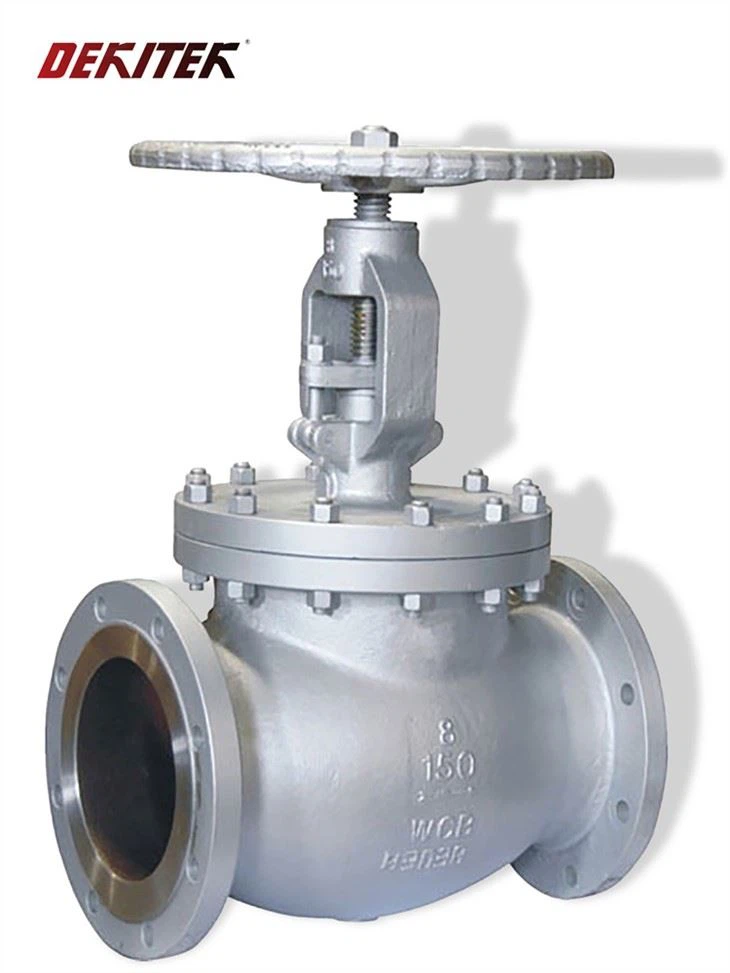

However, manual actuation also has its limitations. It requires physical effort to operate the valve, especially for larger - sized valves or in high - pressure applications. This can make it difficult for operators to quickly adjust the valve position, which may not be suitable for applications that require rapid response times.
Electric Actuation
Electric actuation is a popular choice for duplex steel globe valves in many industrial settings. An electric actuator uses an electric motor to open and close the valve, providing precise control over the valve position.
One of the main advantages of electric actuation is its accuracy. Electric actuators can be programmed to open or close the valve to a specific position, allowing for very precise flow control. This is particularly useful in applications such as water treatment plants, where accurate regulation of flow rates is crucial for maintaining the quality of the treated water.
Another benefit is the ease of integration with automation systems. Electric actuators can be connected to a control system, such as a programmable logic controller (PLC), allowing for remote operation and monitoring. This enables operators to adjust the valve position from a central control room, improving efficiency and reducing the need for on - site personnel.
However, electric actuation also has some drawbacks. It requires a reliable power supply, which can be a problem in areas with unstable electricity grids. Additionally, electric actuators are generally more expensive than manual or pneumatic actuators, both in terms of the initial purchase cost and maintenance.
Pneumatic Actuation
Pneumatic actuation uses compressed air to operate the duplex steel globe valve. A pneumatic actuator consists of a piston or diaphragm that is moved by the force of the compressed air, which in turn opens or closes the valve.
One of the major advantages of pneumatic actuation is its speed. Pneumatic actuators can open and close valves very quickly, making them suitable for applications that require rapid response times, such as emergency shutdown systems. In a refinery, for example, pneumatic - actuated globe valves can be used to quickly shut off the flow of hazardous materials in case of an emergency.
Pneumatic actuators are also relatively simple and reliable. They have fewer moving parts compared to electric actuators, which means less maintenance and a lower risk of failure. Moreover, compressed air is a widely available and inexpensive power source in many industrial facilities.
On the other hand, pneumatic actuation requires a compressed air system, which adds to the complexity and cost of the installation. Additionally, the performance of pneumatic actuators can be affected by changes in air pressure and temperature, which may require additional control and monitoring.
Hydraulic Actuation
Hydraulic actuation uses a hydraulic fluid, typically oil, to operate the duplex steel globe valve. A hydraulic actuator consists of a cylinder and piston, where the movement of the piston is controlled by the flow of hydraulic fluid.
Hydraulic actuation offers high force capabilities, making it suitable for large - sized valves or applications with high - pressure requirements. For example, in the oil and gas industry, hydraulic - actuated globe valves are often used in pipelines to control the flow of high - pressure oil and gas.
Another advantage is its smooth and precise operation. Hydraulic systems can provide a high degree of control over the valve position, allowing for accurate flow regulation. However, hydraulic actuation is relatively complex and expensive. It requires a hydraulic power unit, which includes a pump, reservoir, and control valves. Maintenance of hydraulic systems also requires specialized knowledge and skills.
Choosing the Right Actuation Option
Selecting the appropriate actuation option for a duplex steel globe valve depends on several factors. These include the application requirements, such as the need for speed, precision, and force; the availability of power sources; and the budget constraints.
For applications that require simple on - off control and where cost is a major concern, manual actuation may be the best choice. If precise control and integration with automation systems are important, electric actuation is a suitable option. Pneumatic actuation is ideal for applications that need fast response times, while hydraulic actuation is preferred for high - force applications.
As a supplier of duplex steel globe valves, we offer a wide range of actuation options to meet the specific needs of our customers. Whether you need a Stainless Steel Globe Valve for a small - scale project or an Alloy Steel Globe Valve for a large - scale industrial application, we can provide the right valve with the appropriate actuation. Our Alloy Steel Globe Valve is designed to offer superior performance and reliability, ensuring smooth operation in your system.
If you're interested in learning more about our duplex steel globe valves and their actuation options, or if you have a specific project in mind, please don't hesitate to contact us. We're here to help you find the best valve solution for your needs. Our team of experts can provide detailed technical advice and support to ensure that you make the right choice.
References
- Valve Handbook, 4th Edition, by Arnold M. Watson
- Industrial Valves: Selection and Sizing, by John R. Birkett
- Actuators for Valves: A Practical Guide, by Peter J. Sargent