


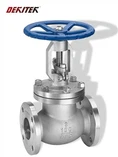

As a supplier of API 6D BW Check Valves, I often receive inquiries about the suitability of these valves for offshore applications. Offshore environments present unique challenges, including harsh weather conditions, corrosive saltwater, and high-pressure operations. In this blog post, I will explore whether API 6D BW Check Valves can be effectively used in offshore applications, considering their design, materials, and performance characteristics.
Understanding API 6D BW Check Valves
API 6D is an industry standard developed by the American Petroleum Institute (API) that specifies requirements for pipeline valves, including check valves. BW stands for "butt-weld," which means these check valves are designed to be welded directly to the pipeline, providing a secure and leak-free connection. Check valves are essential components in piping systems as they allow fluid to flow in one direction while preventing backflow, which can cause damage to equipment and disrupt operations.
The API 6D BW Check Valve is typically designed with a swing or lift mechanism. Swing check valves have a disc that swings on a hinge to allow forward flow and closes under the influence of gravity and reverse flow pressure. Lift check valves, on the other hand, have a disc that moves vertically to open and close the valve. Both types of check valves are designed to provide reliable performance in a variety of applications, including those with high flow rates and pressure differentials.
Advantages of API 6D BW Check Valves for Offshore Applications
1. High-Quality Design and Construction
API 6D BW Check Valves are manufactured to meet strict industry standards, ensuring high-quality design and construction. These valves are typically made from high-strength materials, such as carbon steel, stainless steel, or alloy steel, which can withstand the harsh conditions of offshore environments. The butt-weld connection provides a strong and durable joint that is resistant to leakage and vibration, making it suitable for use in high-pressure and high-flow applications.
2. Corrosion Resistance
Offshore environments are highly corrosive due to the presence of saltwater and other corrosive substances. API 6D BW Check Valves can be designed with corrosion-resistant materials or coatings to protect against corrosion. For example, stainless steel valves are inherently resistant to corrosion, while carbon steel valves can be coated with epoxy or other protective coatings to prevent rust and corrosion. This corrosion resistance ensures the long-term reliability and performance of the valves in offshore applications.
3. Reliable Performance
Check valves are critical components in offshore piping systems, and their reliable performance is essential for the safe and efficient operation of the facility. API 6D BW Check Valves are designed to provide reliable performance under a wide range of operating conditions, including high flow rates, pressure differentials, and temperature variations. The swing or lift mechanism ensures quick and efficient opening and closing of the valve, preventing backflow and minimizing the risk of damage to equipment.
4. Compliance with Industry Standards
Offshore applications are subject to strict regulatory requirements, and the use of valves that comply with industry standards is essential. API 6D is a widely recognized standard in the oil and gas industry, and API 6D BW Check Valves that meet this standard are accepted and approved for use in offshore applications. By using API 6D-compliant valves, operators can ensure that their piping systems meet the necessary safety and performance requirements.
Challenges and Considerations
While API 6D BW Check Valves offer many advantages for offshore applications, there are also some challenges and considerations that need to be taken into account.
1. Installation and Maintenance
The installation and maintenance of API 6D BW Check Valves in offshore environments can be challenging due to the limited access and harsh conditions. Proper installation is crucial to ensure the correct operation of the valve, and it may require specialized equipment and expertise. Maintenance activities, such as inspection, cleaning, and repair, also need to be carried out regularly to ensure the long-term performance of the valve.
2. Cost
API 6D BW Check Valves are typically more expensive than standard check valves due to their high-quality design, materials, and compliance with industry standards. The cost of the valves, as well as the installation and maintenance costs, need to be considered when evaluating their suitability for offshore applications. However, the long-term reliability and performance of these valves can often justify the higher initial investment.
3. Compatibility with Other Components
In offshore piping systems, API 6D BW Check Valves need to be compatible with other components, such as pumps, filters, and other valves. The flow characteristics, pressure ratings, and connection sizes of the check valves need to be carefully matched with the other components to ensure the proper operation of the system. Incompatible components can lead to reduced performance, increased energy consumption, and potential damage to the equipment.
Case Studies
To illustrate the effectiveness of API 6D BW Check Valves in offshore applications, let's look at a few case studies.
Case Study 1: Offshore Oil Platform
A major oil company installed API 6D BW Check Valves in the production piping system of an offshore oil platform. The valves were designed to prevent backflow in the high-pressure production lines, ensuring the safe and efficient operation of the platform. The valves were made from stainless steel to provide corrosion resistance in the harsh offshore environment. After several years of operation, the valves have performed reliably, with no reports of leakage or malfunction.


Case Study 2: Subsea Pipeline
A subsea pipeline project required the use of API 6D BW Check Valves to prevent backflow in the pipeline. The valves were installed at strategic locations along the pipeline to ensure the proper flow of oil and gas. The butt-weld connection provided a secure and leak-free joint, even in the high-pressure subsea environment. The valves were designed with a special coating to protect against corrosion, and they have been operating successfully for several years, with minimal maintenance requirements.
Conclusion
In conclusion, API 6D BW Check Valves can be effectively used in offshore applications due to their high-quality design, corrosion resistance, reliable performance, and compliance with industry standards. While there are some challenges and considerations, such as installation, maintenance, and cost, the benefits of using these valves often outweigh the drawbacks. If you are considering using API 6D BW Check Valves in your offshore application, I encourage you to contact me to discuss your specific requirements. Our team of experts can provide you with detailed information about our products and help you select the right valve for your needs.
Whether you are involved in an offshore oil and gas project, a subsea pipeline, or any other offshore application, our API6D Flange End Swing Type Check Valve and API 6D BW Check Valves can provide the reliable performance you need. Don't hesitate to reach out to us for more information and to start the procurement process.
References
- American Petroleum Institute (API). API 6D: Specification for Pipeline Valves.
- Valve Manufacturers Association (VMA). Valve Handbook.