



Hey there! As a supplier of globe valves, I often get asked about the erosion resistance of these nifty devices. So, let's dive right in and talk about what erosion resistance in a globe valve really means.
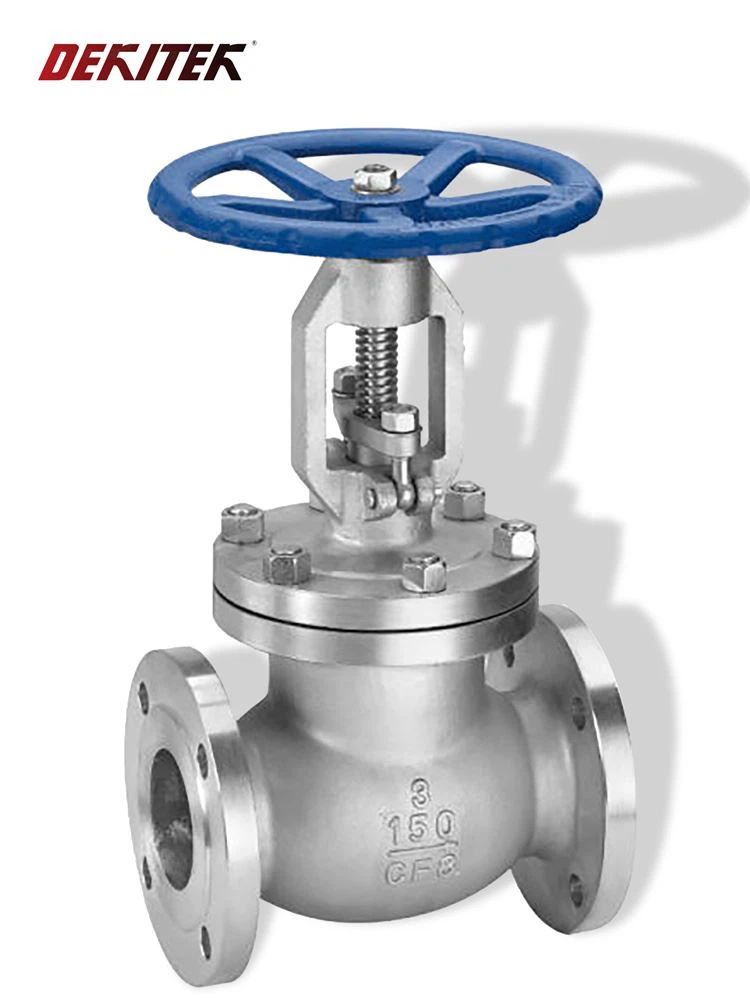
First off, what's a globe valve? Well, it's a type of valve used to regulate the flow of a fluid through a pipeline. It's got a spherical body with an internal baffle that divides the body into two halves. The valve disc moves up and down to control the flow, kind of like a plug going in and out of a hole. Globe valves are super common in all sorts of industries, from oil and gas to water treatment.
Now, erosion. Erosion in a valve happens when the fluid flowing through it carries particles that wear away the valve's internal surfaces. These particles can be anything from sand and dirt to tiny metal shavings. Over time, this wear and tear can cause the valve to malfunction, leading to leaks, reduced flow control, and even complete failure. That's why erosion resistance is such a big deal.
So, what factors affect the erosion resistance of a globe valve?
Material Matters
The material the valve is made of is one of the most important factors. Different materials have different levels of hardness and resistance to wear. For example, Alloy Steel Globe Valve are known for their strength and durability. Alloy steels can be formulated with various elements like chromium, nickel, and molybdenum to enhance their properties. They can withstand high pressures and temperatures and are pretty resistant to erosion from abrasive particles.
Duplex Steel Globe Valve are another great option. Duplex steel has a two-phase microstructure that gives it a good combination of strength and corrosion resistance. This makes it suitable for applications where the fluid might be corrosive as well as abrasive. The high chromium and molybdenum content in duplex steel helps protect it from erosion and pitting.
Stainless Steel Globe Valve are also widely used. Stainless steel is corrosion-resistant, which is a plus in many environments. It can handle a range of temperatures and pressures, and its smooth surface can reduce the impact of abrasive particles. However, the type of stainless steel matters. For example, austenitic stainless steels like 304 and 316 are common, but they might not be as erosion-resistant as some other alloys in highly abrasive conditions.
Design Considerations
The design of the globe valve also plays a role in its erosion resistance. The shape of the valve disc and seat can affect how the fluid flows through the valve. A well-designed valve will have a smooth flow path that minimizes turbulence. Turbulence can cause the abrasive particles to bounce around more, increasing the chances of erosion.
The angle of the valve disc can also make a difference. A valve with a more streamlined disc design can reduce the impact of the fluid and particles on the internal surfaces. Additionally, the size of the valve opening matters. A smaller opening can increase the velocity of the fluid, which might lead to more erosion. So, choosing the right valve size for the application is crucial.
Fluid Properties
The properties of the fluid flowing through the valve are a major factor. The velocity of the fluid is important. Higher velocities mean more kinetic energy in the particles, which can cause more erosion. If the fluid is carrying a lot of abrasive particles, the erosion rate will be higher. The concentration of these particles matters too. A fluid with a high concentration of sand or other abrasives will wear down the valve faster.

The viscosity of the fluid can also affect erosion. A more viscous fluid can cushion the impact of the particles to some extent. And if the fluid is corrosive, it can weaken the valve material, making it more susceptible to erosion. For example, in a seawater application, the salt in the water can corrode the valve, and the abrasive particles in the water can then cause further damage.
Operating Conditions
The operating conditions of the valve can impact its erosion resistance. High temperatures can change the properties of the valve material. Some materials might become softer at high temperatures, making them more prone to erosion. Pressure can also have an effect. High pressures can increase the force with which the particles hit the valve surfaces.
The frequency of valve operation matters too. A valve that is opened and closed frequently will experience more wear and tear. Each time the valve moves, the abrasive particles can cause more damage to the disc and seat.
How to Improve Erosion Resistance
If you're looking to improve the erosion resistance of a globe valve, there are a few things you can do. First, choose the right material for the application. Consider the fluid properties, operating conditions, and expected lifespan of the valve. If you're dealing with highly abrasive fluids, a more erosion-resistant alloy might be worth the investment.
You can also use coatings on the valve surfaces. Coatings like ceramic or tungsten carbide can provide an extra layer of protection. These coatings are hard and can resist the impact of abrasive particles. However, the coating needs to be applied properly and be compatible with the valve material.
Proper maintenance is essential. Regular inspections can help you detect signs of erosion early. You can then take steps like replacing worn parts or adjusting the valve operation to extend its lifespan.
Why Choose Our Globe Valves
As a supplier, we take pride in offering high-quality globe valves with excellent erosion resistance. We carefully select the materials for our valves based on the specific requirements of the application. Whether you need an Alloy Steel Globe Valve for a high-pressure, high-temperature environment or a Duplex Steel Globe Valve for a corrosive and abrasive application, we've got you covered.
Our valves are designed with erosion resistance in mind. We use advanced design techniques to ensure smooth flow paths and minimize turbulence. And we offer a range of sizes and configurations to suit different needs.
We also provide top-notch customer service. Our team of experts can help you choose the right valve for your application and offer advice on installation, operation, and maintenance. If you have any questions or concerns about erosion resistance or any other aspect of our globe valves, don't hesitate to reach out.
Let's Talk
If you're in the market for a globe valve and want to discuss erosion resistance or any other requirements, we'd love to hear from you. Whether you're a small business or a large industrial operation, we can provide the right solution for you. Contact us to start a conversation about your valve needs. We're here to help you find the best valve for your application and ensure its long-term performance.
References
- "Valve Handbook" by J. F. McKetta and W. A. Cunningham
- "Handbook of Valves and Actuators" by R. W. Miller