




Hey there! As a supplier of Cast Steel Globe Valves, I've been getting a lot of questions lately about using these valves in vacuum systems. So, I thought I'd put together this blog to share some insights on the special requirements for using a Cast Steel Globe Valve in a vacuum system.
Understanding Vacuum Systems
First off, let's quickly go over what a vacuum system is. A vacuum system is essentially an enclosed space where the pressure is lower than the atmospheric pressure. These systems are used in a wide range of industries, from manufacturing and research to food processing and pharmaceuticals. In a vacuum system, maintaining the right pressure and preventing leaks is crucial.
Why Cast Steel Globe Valves?
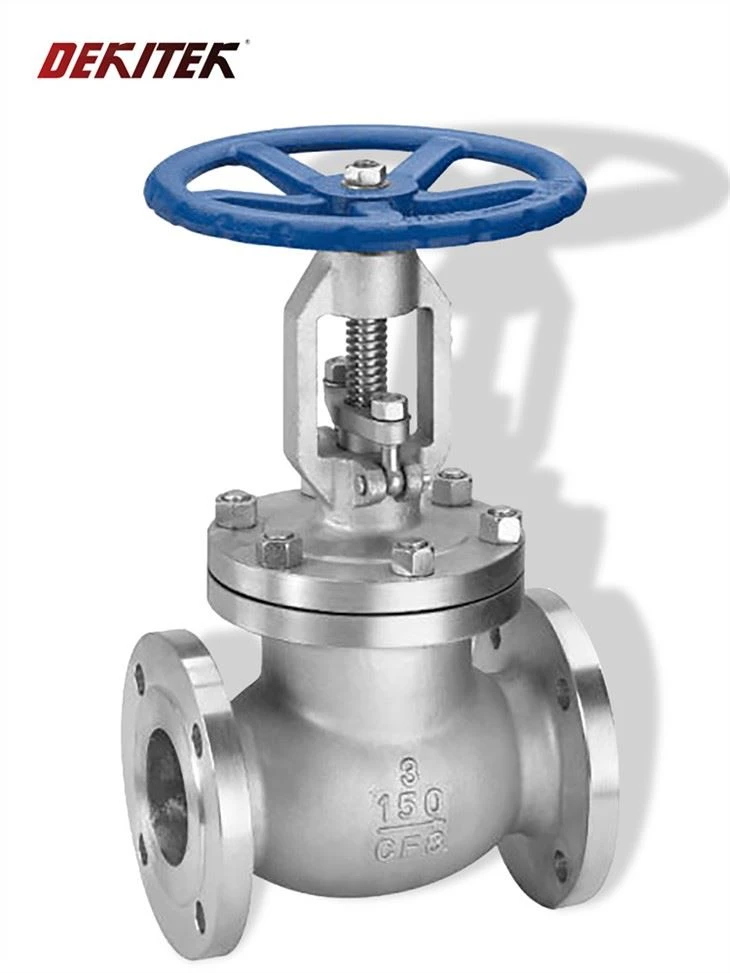
Cast Steel Globe Valves are a popular choice for many applications, including vacuum systems. They're known for their durability, reliability, and the ability to provide precise flow control. The design of a globe valve allows for a tight shut - off, which is essential in a vacuum system to prevent air from leaking in and disrupting the vacuum.
Special Requirements for Vacuum Systems
1. Leakage Prevention
One of the most critical requirements for using a Cast Steel Globe Valve in a vacuum system is leakage prevention. Even a tiny leak can cause the vacuum to break down, leading to inefficiencies or even system failures. To ensure a tight seal, the valve must have high - quality sealing materials. For example, the valve seats and gaskets should be made from materials that can withstand the low - pressure environment of a vacuum. Elastomers like Viton or PTFE are often used because they have excellent sealing properties and can resist the effects of vacuum.
When choosing a Cast Steel Globe Valve for a vacuum system, look for valves that have been tested for leakage. Many manufacturers, including us, conduct helium mass spectrometry leak tests to ensure that the valves meet strict leakage standards. This test can detect even the smallest leaks, giving you peace of mind that your valve will perform well in a vacuum.
2. Material Compatibility
In a vacuum system, the materials used in the valve must be compatible with the vacuum environment. Cast steel is a great choice because it's strong and can withstand the pressure differentials in a vacuum. However, other components of the valve, such as the internal parts and coatings, also need to be carefully considered.
For instance, some materials may outgas in a vacuum. Outgassing is when a material releases gases or vapors when exposed to a low - pressure environment. This can contaminate the vacuum system and affect its performance. To prevent outgassing, the valve should be made from materials with low outgassing rates. Stainless steel is often used for internal parts because it has a relatively low outgassing rate.

3. Pressure Rating
The pressure rating of the Cast Steel Globe Valve is another important factor. In a vacuum system, the valve needs to be able to handle the pressure differential between the vacuum side and the atmospheric side. The valve should be rated for the maximum vacuum pressure that the system will reach.
If the pressure rating of the valve is too low, it may not be able to maintain a tight seal, leading to leaks. On the other hand, if the pressure rating is too high, it may be over - engineered and more expensive than necessary. So, it's important to choose a valve with the right pressure rating for your specific vacuum system.
4. Surface Finish
The surface finish of the valve can also have an impact on its performance in a vacuum system. A smooth surface finish can help reduce the risk of particle contamination and improve the sealing properties of the valve. Rough surfaces can trap particles, which can then be released into the vacuum system and cause problems.
When manufacturing Cast Steel Globe Valves for vacuum systems, we pay close attention to the surface finish. We use precision machining techniques to ensure that the valve surfaces are as smooth as possible. This not only improves the performance of the valve but also extends its lifespan.
Other Considerations
1. Actuation
In a vacuum system, the actuation method of the valve is also important. Manual valves are often used in smaller vacuum systems where the operator can easily access and control the valve. However, for larger or more complex systems, automated actuation may be required.
Electric, pneumatic, or hydraulic actuators can be used to control the valve remotely. When choosing an actuator for a vacuum system, make sure it's designed to work in a low - pressure environment. Some actuators may require additional seals or modifications to prevent air from leaking in.
2. Maintenance
Regular maintenance is essential for ensuring the long - term performance of a Cast Steel Globe Valve in a vacuum system. The valve should be inspected regularly for signs of wear, damage, or leakage. Seals and gaskets may need to be replaced periodically to maintain a tight seal.
It's also important to keep the valve clean. Contaminants can build up inside the valve over time, affecting its performance. Use appropriate cleaning methods and solvents that are compatible with the valve materials.
Conclusion
Using a Cast Steel Globe Valve in a vacuum system requires careful consideration of several factors. Leakage prevention, material compatibility, pressure rating, surface finish, actuation, and maintenance are all important aspects to keep in mind. As a supplier of Cast Steel Globe Valve, we have the expertise and experience to provide you with high - quality valves that meet the special requirements of vacuum systems.
If you're in the market for a Cast Steel Globe Valve for your vacuum system, or if you have any questions about our products, don't hesitate to reach out. We're here to help you find the right valve for your needs. You can also check out our Alloy Steel Globe Valve options if you're looking for something with different material properties. And if you want to learn more about our manufacturing process, visit our Cast Steel Globe Valve factory page.
Let's work together to ensure the success of your vacuum system!
References
- ASME B16.34 - Valves - Flanged, Threaded, and Welding End
- ISO 5208 - Industrial valves - Pressure testing of valves
- Vacuum Technology Handbook by O'Hanlon