



Hey there! As a supplier of Top Entry Ball Valves, I've been getting a lot of questions lately about the installation requirements for these valves. So, I thought I'd put together this blog post to share some insights and help you understand what it takes to install a Top Entry Ball Valve properly.
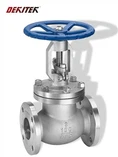
First off, let's talk about what a Top Entry Ball Valve is. It's a type of valve that has a ball-shaped disc inside. The ball has a hole in the middle, and when the valve is open, the hole aligns with the pipe, allowing fluid or gas to flow through. When the valve is closed, the ball rotates, blocking the flow. Top Entry Ball Valves are popular because they're easy to maintain and repair since you can access the internal parts from the top.
Location and Space
The first thing you need to consider when installing a Top Entry Ball Valve is the location. You want to choose a spot that's easily accessible for maintenance and inspection. It should also be away from any sources of heat, vibration, or excessive moisture that could damage the valve.
Make sure there's enough space around the valve for installation and operation. You need to be able to open and close the valve without any obstructions. Also, leave some room for future maintenance, like removing the valve cover or replacing internal parts.
Pipe Preparation
Before installing the valve, you need to prepare the pipes. The pipes should be clean and free of any debris, rust, or dirt. Use a pipe cleaner or a wire brush to clean the inside of the pipes. Make sure the pipe ends are cut straight and have a smooth surface.
The pipe size should match the valve size. If the pipes are too small or too large, it can cause problems with the valve's performance. You can use a pipe cutter to cut the pipes to the right length. Make sure to measure the pipes carefully before cutting.

Mounting the Valve
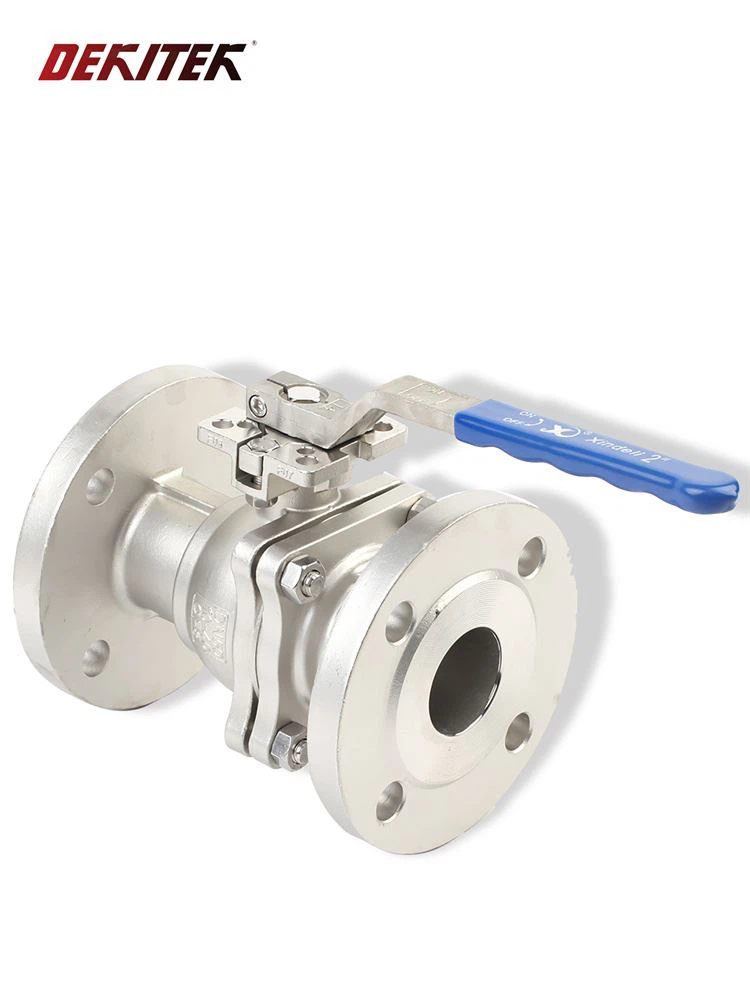
When mounting the Top Entry Ball Valve, you need to ensure it's properly aligned with the pipes. Use a flange alignment tool to make sure the bolt holes in the valve flanges and the pipe flanges line up correctly. This will prevent any leakage and ensure a tight seal.
Tighten the bolts evenly using a torque wrench. Over-tightening the bolts can damage the valve or the pipe flanges, while under-tightening can cause leakage. Follow the manufacturer's recommendations for the proper torque values.
Sealing
Proper sealing is crucial for the performance of the Top Entry Ball Valve. Use high-quality gaskets between the valve flanges and the pipe flanges. The gaskets should be made of a material that's compatible with the fluid or gas flowing through the valve.
Apply a thin layer of sealant on the gasket surfaces to ensure a better seal. Make sure the gaskets are installed correctly and are not damaged or deformed.
Actuation
If your Top Entry Ball Valve is actuated, you need to install the actuator properly. The actuator can be manual, electric, pneumatic, or hydraulic. Follow the manufacturer's instructions for installing and connecting the actuator to the valve.
Make sure the actuator is properly calibrated and adjusted. Test the valve to ensure it opens and closes smoothly and that the actuator responds correctly to the control signals.
Testing
After installing the Top Entry Ball Valve, it's important to test it before putting it into operation. Conduct a pressure test to check for any leakage. You can use a pressure gauge to monitor the pressure during the test.
Open and close the valve several times to make sure it operates smoothly. Check for any unusual noises or vibrations that could indicate a problem. If you find any issues, address them immediately before using the valve.
Maintenance Considerations
Even after a successful installation, regular maintenance is essential for the long - term performance of the Top Entry Ball Valve. Make sure to follow the manufacturer's maintenance schedule. This may include lubricating the valve stem, inspecting the seals, and checking for any signs of wear or damage.
Keep an eye on the operating conditions of the valve. If the fluid or gas flowing through the valve contains abrasive particles or corrosive substances, it may require more frequent maintenance.
Related Products
If you're interested in other types of ball valves, we also offer Forged Floating Soft Seated Ball Valve and Fully Welded Ball Valve. These valves have their own unique features and installation requirements, but the basic principles of proper installation and maintenance still apply. You can also check out our Fully Welded Ball Valve Factory for more information on our manufacturing processes.
Conclusion
Installing a Top Entry Ball Valve requires careful planning and attention to detail. By following these installation requirements, you can ensure that your valve operates efficiently and reliably for a long time.
If you're in the market for a Top Entry Ball Valve or have any questions about installation or maintenance, don't hesitate to reach out. We're here to help you make the right choice and ensure a successful installation. Whether you're a small business or a large industrial operation, we can provide you with high - quality valves and expert advice.
References
- Valve Installation and Maintenance Manuals from Industry Standards
- Manufacturer's Technical Documentation for Top Entry Ball Valves
- Industry Best Practices for Valve Installation and Testing