


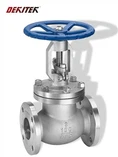

Hey there! As a supplier of API 6D BW Check Valves, I've been getting a lot of questions lately about how the flow coefficient affects the performance of these valves. So, I thought I'd take a few minutes to break it down for you.
First off, let's talk about what the flow coefficient, often referred to as Cv, actually is. The flow coefficient is a measure of a valve's ability to pass fluid. It's defined as the number of U.S. gallons per minute of water at 60°F that will flow through a valve with a pressure drop of 1 psi across the valve. In simpler terms, it tells us how much fluid can flow through the valve under a certain set of conditions.
Now, why is the flow coefficient so important when it comes to the performance of an API 6D BW Check Valve? Well, the performance of a check valve is all about controlling the flow of fluid in a system. A check valve is designed to allow fluid to flow in one direction only, preventing backflow. The flow coefficient plays a crucial role in determining how effectively the valve can perform this function.
If the flow coefficient of an API 6D BW Check Valve is too low, it means that the valve will restrict the flow of fluid more than necessary. This can lead to a number of issues. For example, it can cause a significant pressure drop in the system. A high pressure drop can result in increased energy consumption, as the pump or other equipment in the system has to work harder to maintain the desired flow rate. It can also lead to reduced system efficiency and potentially cause damage to other components in the system over time.
On the other hand, if the flow coefficient is too high, the valve may not be able to effectively prevent backflow. This is because a high flow coefficient means that the valve allows a large amount of fluid to pass through easily. In a check valve, this can make it difficult for the valve to close quickly enough when the flow direction changes, allowing backflow to occur. Backflow can contaminate the fluid in the system, damage equipment, and even pose safety risks in some applications.
So, how do we determine the right flow coefficient for an API 6D BW Check Valve? Well, it depends on a variety of factors, including the specific application, the flow rate requirements, and the pressure conditions in the system. For example, in a system where a high flow rate is required, a valve with a higher flow coefficient may be more suitable. However, in a system where preventing backflow is the primary concern, a valve with a lower flow coefficient may be a better choice.
As a supplier of API 6D BW Check Valve, we understand the importance of getting the flow coefficient right. That's why we offer a wide range of valves with different flow coefficients to meet the diverse needs of our customers. Our team of experts can work with you to analyze your system requirements and recommend the most appropriate valve for your application.
Let's take a look at an example to illustrate how the flow coefficient can impact the performance of an API 6D BW Check Valve. Suppose you have a pipeline system that transports water at a relatively high flow rate. If you choose a check valve with a low flow coefficient, the valve will create a significant resistance to the flow of water. This will cause the pressure in the pipeline to drop, and the pump may have to work harder to maintain the desired flow rate. As a result, you'll end up with higher energy costs and potentially reduced system reliability.
On the other hand, if you select a valve with a high flow coefficient, the valve may not be able to close quickly enough to prevent backflow when the pump is turned off or when there is a sudden change in flow direction. This can lead to water hammer, which is a pressure surge that can cause damage to the pipeline and other equipment in the system.
Another important aspect to consider is the relationship between the flow coefficient and the valve size. Generally, larger valves tend to have higher flow coefficients. However, it's not always as simple as just choosing the largest valve available. You need to balance the flow coefficient with other factors such as the space available in the system, the cost of the valve, and the compatibility with other components.
For instance, if you have limited space in your system, a large valve may not be practical. In this case, you may need to look for a valve with a higher flow coefficient in a smaller size. This is where our expertise as a supplier comes in. We can help you find the right balance between valve size and flow coefficient to ensure optimal performance in your system.
In addition to the flow coefficient, there are other factors that can affect the performance of an API 6D BW Check Valve. These include the valve design, the materials used, and the quality of manufacturing. For example, a well-designed valve with a smooth internal surface will have less resistance to fluid flow, resulting in a higher effective flow coefficient. Similarly, using high-quality materials can ensure that the valve is durable and can withstand the harsh conditions in the system.
At our company, we take great pride in offering high-quality API6D Flange End Swing Type Check Valve that are designed to provide reliable performance. Our valves are manufactured to strict API 6D standards, ensuring that they meet the highest quality and safety requirements.
If you're in the market for an API 6D BW Check Valve, or if you have any questions about how the flow coefficient affects valve performance, don't hesitate to reach out to us. Our team of experts is here to help you make the right choice for your application. We can provide you with detailed information about our products, offer technical support, and even assist you with installation and maintenance.
In conclusion, the flow coefficient is a critical factor that can significantly impact the performance of an API 6D BW Check Valve. By understanding how it works and choosing the right valve with the appropriate flow coefficient, you can ensure that your system operates efficiently, reliably, and safely. So, if you're looking for a high-quality API 6D BW Check Valve, give us a call or send us an email. We're ready to help you find the perfect solution for your needs.
References


- API 6D Standard, American Petroleum Institute
- Valve Handbook, various industry publications