


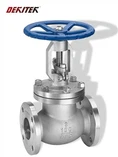

Troubleshooting a stuck duplex stainless steel gate valve can be a daunting task, but with the right knowledge and approach, it can be effectively resolved. As a supplier of high - quality duplex stainless steel gate valves, I have encountered various issues with these valves over the years. In this blog, I will share some practical steps and tips on how to troubleshoot a stuck duplex stainless steel gate valve.
Understanding the Basics of Duplex Stainless Steel Gate Valves
Before diving into troubleshooting, it's essential to understand the structure and function of duplex stainless steel gate valves. These valves are designed to control the flow of fluids by using a gate that moves up and down to either block or allow the passage of the medium. The duplex stainless steel material offers excellent corrosion resistance, high strength, and good weldability, making it suitable for a wide range of applications, especially in harsh environments.
Common Causes of a Stuck Gate Valve
- Debris and Contamination: Over time, debris such as dirt, sand, or rust can accumulate inside the valve, preventing the gate from moving freely. This is particularly common in industrial settings where the fluid being transported may contain impurities.
- Corrosion: Despite the corrosion - resistant properties of duplex stainless steel, long - term exposure to certain chemicals or aggressive environments can still lead to corrosion. Corrosion can cause the gate to stick to the valve body or the seat, making it difficult to operate.
- Mechanical Damage: Physical damage to the valve components, such as a bent stem or a damaged gate, can also result in a stuck valve. This can occur due to improper installation, excessive force during operation, or external impacts.
- Sealing Issues: A faulty or worn - out seal can cause the valve to stick. If the seal is too tight, it can create excessive friction, preventing the gate from moving smoothly. On the other hand, a loose seal may allow fluid to leak past the gate, which can also lead to sticking.
Troubleshooting Steps
Step 1: Isolate the Valve
The first step in troubleshooting a stuck gate valve is to isolate it from the system. This involves shutting off the flow of fluid upstream and downstream of the valve. This is crucial for safety reasons and to prevent any further damage to the valve or the system.
Step 2: Visual Inspection
Once the valve is isolated, conduct a thorough visual inspection. Look for any signs of physical damage, such as cracks, dents, or corrosion. Check the stem for any signs of bending or misalignment. Also, inspect the area around the valve for any debris or contamination.
Step 3: Try Manual Operation
If the valve is equipped with a handwheel or a lever, try to operate it manually. Sometimes, a stuck valve can be freed by applying gentle, but firm, force in both the opening and closing directions. However, be careful not to use excessive force, as this can cause further damage to the valve.
Step 4: Clean the Valve
If debris or contamination is suspected to be the cause of the sticking, clean the valve. This can be done by flushing the valve with a suitable cleaning agent. For light contamination, water or a mild detergent solution may be sufficient. For more stubborn debris, a stronger solvent may be required. Make sure to follow the manufacturer's instructions when using any cleaning agents.
Step 5: Check the Seals
Inspect the seals for any signs of wear or damage. If the seals are worn out, they should be replaced. When replacing the seals, make sure to use the correct type and size of seals recommended by the valve manufacturer. A proper seal is essential for the smooth operation of the valve.
Step 6: Lubrication
Lubricating the moving parts of the valve can help reduce friction and free a stuck valve. Use a high - quality lubricant that is compatible with the valve material and the fluid being transported. Apply the lubricant to the stem, the gate, and any other moving parts of the valve.
Step 7: Address Corrosion
If corrosion is detected, it needs to be addressed promptly. For minor corrosion, a wire brush or sandpaper can be used to remove the rust. For more severe corrosion, a chemical treatment may be required. After removing the corrosion, apply a protective coating to prevent further corrosion.
Step 8: Check for Mechanical Damage
If the valve is still stuck after the above steps, there may be mechanical damage to the valve components. In this case, it may be necessary to disassemble the valve and inspect the internal parts. If any damaged parts are found, they should be replaced. It is recommended to have a professional technician perform the disassembly and repair, especially if you are not familiar with the valve's internal structure.
Our Product Range
As a supplier of duplex stainless steel gate valves, we offer a wide range of high - quality valves to meet different customer needs. Our Alloy Steel Pressure Seal Gate Valve is designed for high - pressure applications, providing reliable performance and long - term durability. The Duplex Stainless Steel Pressure Seal Gate Valve combines the corrosion - resistant properties of duplex stainless steel with a pressure - seal design, ensuring excellent sealing and performance in harsh environments. Additionally, our Cast Steel Pressure Seal Gate Valve is a cost - effective solution for various industrial applications.
Contact Us for Purchase and Consultation
If you are experiencing issues with your gate valves or are looking to purchase high - quality duplex stainless steel gate valves, we are here to help. Our team of experts can provide you with professional advice on valve selection, installation, and maintenance. We are committed to providing the best products and services to our customers. Feel free to reach out to us for further discussion and procurement.


References
- Valve Handbook, 4th Edition, by John N. Ashcroft
- Industrial Valves: Selection and Sizing, by James E. Swearingen