


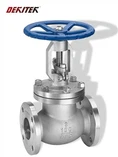

As a supplier of Cast Steel Pressure Seal Gate Valves, ensuring the performance of our products is of utmost importance. In this blog, I will share with you how to test the performance of a Cast Steel Pressure Seal Gate Valve, which will help you better understand the quality and reliability of these valves.
1. Visual Inspection
Before conducting any performance tests, a thorough visual inspection is necessary. Examine the valve body for any visible defects such as cracks, porosity, or uneven surfaces. Check the valve stem, gate, and seat for proper machining and smoothness. Ensure that all the components are free from any foreign materials or debris. This initial inspection can often identify potential issues that may affect the valve's performance.
2. Dimensional Inspection
Accurate dimensions are crucial for the proper functioning of a Cast Steel Pressure Seal Gate Valve. Use precision measuring tools such as calipers, micrometers, and gauges to verify the dimensions of the valve body, stem, gate, and seat. Compare the measured values with the design specifications. Any significant deviations can lead to problems such as improper sealing or difficulty in operation.
3. Pressure Testing
Pressure testing is one of the most important performance tests for a Cast Steel Pressure Seal Gate Valve. There are two main types of pressure tests: hydrostatic testing and pneumatic testing.
Hydrostatic Testing
Hydrostatic testing involves filling the valve with a liquid, usually water, and applying a specified pressure for a certain period. This test helps to detect any leaks in the valve body, seals, and connections. To perform a hydrostatic test:
- Close the valve and connect it to a test rig.
- Fill the valve with water, ensuring that all air is removed from the system.
- Gradually increase the pressure to the test pressure, which is typically higher than the normal operating pressure.
- Hold the pressure for a specified time, usually 10 - 30 minutes, and check for any visible leaks.
- After the test, slowly release the pressure and drain the water from the valve.
Pneumatic Testing
Pneumatic testing uses compressed air or gas instead of liquid. This test is often used to detect small leaks that may not be visible during hydrostatic testing. However, pneumatic testing is more dangerous than hydrostatic testing due to the potential for sudden release of high - pressure gas. To perform a pneumatic test:
- Follow similar steps as hydrostatic testing, but use compressed air or gas instead of water.
- Apply a soap solution to all the potential leak points and look for bubbles, which indicate a leak.
4. Sealing Performance Testing
The sealing performance of a Cast Steel Pressure Seal Gate Valve is critical for its proper operation. There are two main aspects of sealing performance: seat sealing and stem sealing.
Seat Sealing Testing
To test the seat sealing performance, the valve is pressurized while the gate is in the closed position. The pressure is applied to one side of the valve, and the leakage rate on the other side is measured. A low leakage rate indicates good seat sealing. There are different methods to measure the leakage rate, such as using a flow meter or a pressure - drop measurement device.
Stem Sealing Testing
Stem sealing testing is performed to ensure that there is no leakage around the valve stem. The stem is usually sealed with packing materials. To test the stem sealing, the valve is pressurized, and the area around the stem is inspected for any signs of leakage. A small amount of leakage may be acceptable, but excessive leakage indicates a problem with the stem packing.
5. Operational Performance Testing
The operational performance of a Cast Steel Pressure Seal Gate Valve includes factors such as the ease of operation, opening and closing torque, and the number of cycles the valve can withstand.
Ease of Operation
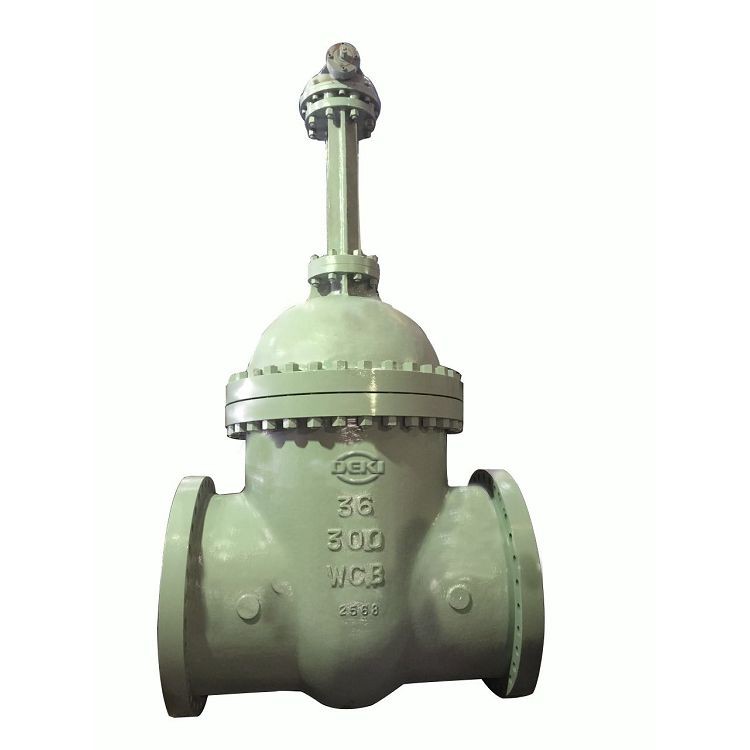
To test the ease of operation, use a torque wrench to measure the torque required to open and close the valve. The torque should be within the specified range. If the torque is too high, it may indicate problems such as friction between the gate and the seat, or a misaligned stem.

Opening and Closing Cycles
Perform a specified number of opening and closing cycles to test the durability of the valve. During these cycles, monitor the torque, leakage, and any other performance parameters. A valve that can withstand a large number of cycles without significant degradation in performance is considered to be of high quality.
6. Material Testing
The quality of the cast steel used in the valve is also crucial for its performance. Material testing can be performed to verify the chemical composition and mechanical properties of the cast steel.
Chemical Composition Analysis
Use methods such as spectroscopy to analyze the chemical composition of the cast steel. The chemical composition should meet the relevant standards and specifications. Deviations in the chemical composition can affect the mechanical properties and corrosion resistance of the valve.
Mechanical Property Testing
Mechanical property testing includes tests such as tensile testing, hardness testing, and impact testing. Tensile testing measures the strength and ductility of the cast steel. Hardness testing determines the hardness of the material, which is related to its wear resistance. Impact testing assesses the material's ability to withstand sudden impacts.
Conclusion
Testing the performance of a Cast Steel Pressure Seal Gate Valve is a comprehensive process that involves multiple tests. By conducting these tests, we can ensure that our valves meet the highest quality standards and provide reliable performance in various applications. If you are interested in our Cast Steel Pressure Seal Gate Valve, or other related products such as Carbon Steel Flexible Wedge Gate Valve and Duplex Stainless Steel Pressure Seal Gate Valve, please feel free to contact us for more information and to discuss your specific requirements. We are committed to providing you with the best products and services.
References
- Valve Standards Handbook
- Cast Steel Manufacturing and Testing Guidelines
- Industry Reports on Gate Valve Performance Testing