


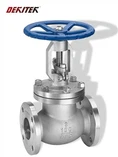

Debris accumulation in a Duplex Stainless Steel Gate Valve can lead to a variety of operational issues, including reduced valve performance, increased wear and tear, and potential system failures. As a supplier of Duplex Stainless Steel Gate Valve, I understand the importance of preventing such accumulation to ensure the long - term reliability and efficiency of these valves. In this blog, I will share some effective strategies to prevent debris from building up in a Duplex Stainless Steel Gate Valve.
Understanding the Causes of Debris Accumulation
Before we can discuss prevention methods, it is essential to understand what causes debris to accumulate in the first place. Debris can enter the valve system from various sources. For instance, during the installation process, small particles such as dust, dirt, or metal shavings may accidentally get into the pipeline and eventually reach the valve. In industrial applications, the fluid flowing through the valve may contain suspended solids, such as sand, rust, or scale. Over time, these particles can settle and accumulate within the valve.
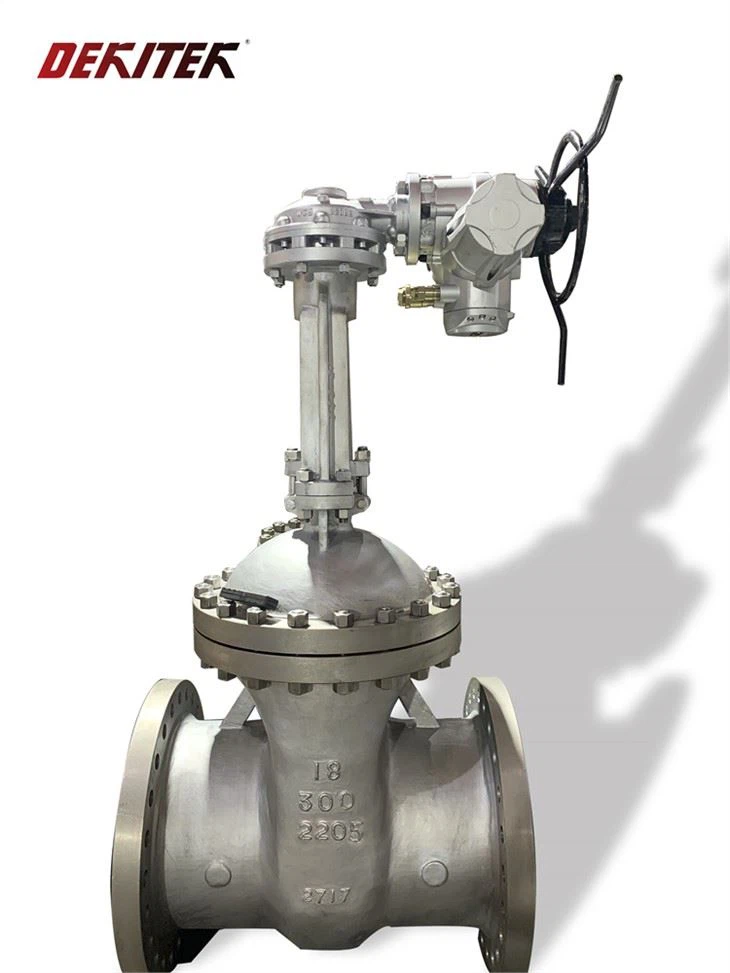

Pre - Installation Measures
Pipeline Cleaning
One of the most crucial steps in preventing debris accumulation is to thoroughly clean the pipeline before installing the Duplex Stainless Steel Gate Valve. This can be achieved through a combination of mechanical and chemical cleaning methods. Mechanical cleaning involves using tools such as brushes, scrapers, or high - pressure water jets to remove any loose debris from the inner walls of the pipeline. Chemical cleaning, on the other hand, uses solvents or acids to dissolve stubborn deposits. After cleaning, the pipeline should be flushed with clean water to ensure that all debris is removed.
Filter Installation
Installing filters upstream of the valve is an effective way to trap debris before it reaches the valve. There are various types of filters available, including mesh filters, cartridge filters, and bag filters. The choice of filter depends on the size and nature of the debris in the fluid. For example, mesh filters are suitable for removing large particles, while cartridge filters can capture smaller particles. Regularly inspecting and replacing the filters is necessary to maintain their effectiveness.
Operational Measures
Regular Maintenance
Regular maintenance is key to preventing debris accumulation in a Duplex Stainless Steel Gate Valve. This includes inspecting the valve for any signs of debris accumulation, such as reduced flow rate or abnormal operating noise. During maintenance, the valve should be disassembled, and all internal components should be cleaned. Special attention should be paid to the valve seat, gate, and stem, as these areas are more likely to accumulate debris. After cleaning, the valve should be reassembled and tested to ensure proper operation.
Fluid Quality Monitoring
Monitoring the quality of the fluid flowing through the valve is essential. This can be done by regularly taking fluid samples and analyzing them for the presence of debris, chemicals, or other contaminants. If the fluid quality is found to be poor, appropriate measures should be taken to improve it. For example, if the fluid contains a high concentration of suspended solids, additional filtration or sedimentation processes may be required.
Proper Valve Operation
Proper operation of the valve can also help prevent debris accumulation. For example, the valve should be fully opened and closed during each operation to prevent debris from getting trapped between the valve seat and the gate. In addition, the valve should not be left in a partially open position for an extended period, as this can cause debris to accumulate and damage the valve.
Design Considerations
Valve Design Features
When selecting a Duplex Stainless Steel Gate Valve, it is important to consider design features that can help prevent debris accumulation. For example, some valves are designed with a self - cleaning mechanism, such as a scraping edge on the gate, which can remove debris from the valve seat during operation. Other valves may have smooth internal surfaces to reduce the adhesion of debris.
Flow Path Design
The design of the flow path within the valve can also affect debris accumulation. A well - designed flow path should minimize turbulence and dead zones, where debris is more likely to accumulate. For example, a straight - through flow path is generally better than a flow path with sharp bends or obstructions.
Advanced Technologies
Automated Cleaning Systems
In some applications, automated cleaning systems can be used to prevent debris accumulation in the valve. These systems can use various techniques, such as ultrasonic cleaning or back - flushing, to remove debris from the valve without the need for manual disassembly. Ultrasonic cleaning uses high - frequency sound waves to create microscopic bubbles in the cleaning fluid, which can dislodge debris from the valve surfaces. Back - flushing involves reversing the flow of fluid through the valve to flush out any accumulated debris.
Smart Monitoring Systems
Smart monitoring systems can be installed on the valve to continuously monitor its condition and detect any signs of debris accumulation. These systems use sensors to measure parameters such as flow rate, pressure, and temperature. By analyzing the data collected by these sensors, it is possible to detect early signs of debris accumulation and take preventive measures before the problem becomes serious.
Conclusion
Preventing debris accumulation in a Duplex Stainless Steel Gate Valve is essential for ensuring its reliable and efficient operation. By implementing pre - installation measures, operational measures, considering design features, and leveraging advanced technologies, it is possible to minimize the risk of debris accumulation and extend the service life of the valve.
If you are interested in our Duplex Stainless Steel Gate Valve, Electric Actuator Gate Valve, or Stainless Steel Pressure Seal Gate Valve products, and want to discuss your specific requirements, please feel free to contact us. We are more than happy to provide you with professional advice and high - quality products.
References
- ASME B16.34 - Valves - Flanged, Threaded, and Welding End
- API 600 - Steel Gate Valves - Flanged and Butt - Welding Ends, Bolted Bonnet
- ISO 5208 - Industrial valves - Pressure testing of valves