


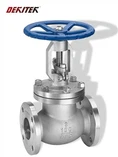

Selecting the right check valve is crucial when dealing with different fluids in various industrial applications. As a check valve supplier, I've seen firsthand how important it is to match the valve to the fluid characteristics. In this blog, I'll walk you through the key factors to consider when making this selection.


Fluid Type
The first thing you need to figure out is what kind of fluid you're working with. Is it a liquid, gas, or a mix of both? Each type has its own unique properties that can affect the performance of the check valve.
Liquids
Liquids can be further divided into different categories based on their viscosity. For low - viscosity liquids like water, a simple swing check valve might work just fine. Swing check valves are great because they have a simple design with a disc that swings open when the fluid flows in the right direction and closes when the flow reverses. You can check out our API 6D BW Check Valve which is suitable for a variety of low - viscosity liquid applications.
On the other hand, high - viscosity liquids such as oil or honey require a different approach. These fluids flow more slowly and can cause problems for swing check valves. A piston check valve might be a better option here. The piston in these valves can move more smoothly against the high - viscosity fluid, ensuring proper opening and closing.
Gases
Gases are compressible, which means they behave differently from liquids. For gas applications, you need a check valve that can respond quickly to changes in pressure. A spring - loaded check valve is often a good choice. The spring helps to keep the valve closed when there's no flow and allows it to open easily when the gas pressure builds up. Our API6D Flange End Swing Type Check Valve can also be used in some gas applications where the pressure and flow conditions are appropriate.
Fluid Temperature
The temperature of the fluid is another critical factor. Extreme temperatures can cause materials to expand or contract, which can affect the seal and operation of the check valve.
High - Temperature Fluids
When dealing with high - temperature fluids, you need a check valve made from materials that can withstand the heat. Stainless steel is a popular choice as it has good heat resistance properties. Additionally, the valve's internal components should be designed to handle the thermal expansion without causing leaks or jams.
Low - Temperature Fluids
Low - temperature fluids can make materials brittle. So, for these applications, you want a valve made from materials that remain flexible at cold temperatures. Special alloys or plastics might be used in these cases to ensure the valve functions properly.
Fluid Pressure
Fluid pressure is closely related to the performance of a check valve. You need to know both the normal operating pressure and the maximum pressure the system might experience.
Low - Pressure Systems
In low - pressure systems, a lightweight check valve with a low cracking pressure (the pressure at which the valve starts to open) is sufficient. These valves are often less expensive and easier to install.
High - Pressure Systems
High - pressure systems require more robust check valves. The valve body and internal components need to be able to withstand the high forces exerted by the fluid. You might need a valve with a stronger spring or a more reinforced design to ensure it doesn't fail under pressure.
Chemical Compatibility
If the fluid is corrosive or contains chemicals, you have to make sure the check valve is made from materials that are chemically compatible. For example, if you're dealing with acids, a valve made from a corrosion - resistant material like PVC or a special alloy is necessary. Using an incompatible material can lead to rapid deterioration of the valve, which can cause leaks and system failures.
Flow Rate
The flow rate of the fluid also plays a role in selecting the right check valve. A valve that is too small for the flow rate can cause excessive pressure drop, which can affect the efficiency of the system. On the other hand, a valve that is too large can be more expensive and may not operate properly. You need to calculate the required flow capacity and choose a valve that can handle it.
Other Considerations
There are a few other things to keep in mind when selecting a check valve.
Installation Orientation
Some check valves are designed to be installed in a specific orientation. For example, a swing check valve usually needs to be installed horizontally or at a specific angle. Make sure you understand the installation requirements of the valve you choose.
Maintenance Requirements
Different check valves have different maintenance needs. Some valves are easy to clean and repair, while others may require more specialized tools and skills. Consider the long - term maintenance costs and ease of maintenance when making your selection.
In conclusion, selecting a check valve based on fluid characteristics is a complex but important process. By considering factors such as fluid type, temperature, pressure, chemical compatibility, and flow rate, you can ensure that you choose the right valve for your application. As a check valve supplier, I'm here to help you make the best decision. If you have any questions or need more information about our products, feel free to reach out and start a procurement discussion. We're ready to work with you to find the perfect check valve solution for your needs.
References
- "Valve Handbook" by Valve Manufacturers Association
- Various industry - specific technical papers on fluid control and check valve applications