


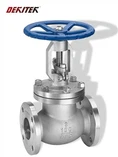

Hey there! As a supplier of Lug Type Metal Sealing Butterfly Valves, I often get asked about how to test the performance of these valves. Well, you've come to the right place! In this blog, I'm gonna walk you through the whole process, step by step.
First off, let's talk about why testing is so important. A lug type metal sealing butterfly valve is used in a bunch of industries, like oil and gas, chemical, and power generation. These valves need to work properly under all kinds of conditions, so making sure they perform well is super crucial. If a valve fails, it can lead to leaks, system shutdowns, and even safety hazards. So, proper testing is a must!
Visual Inspection
The first step in testing a lug type metal sealing butterfly valve is a visual inspection. You gotta check the valve for any obvious damage or defects. Look at the body, disc, stem, and seals. Make sure there are no cracks, dents, or signs of corrosion. Check the lug bolts and nuts to ensure they're tightened properly. Also, take a good look at the sealing surfaces. They should be smooth and free of any scratches or nicks. If you spot any issues during the visual inspection, it's best to address them before moving on to the next steps.
Dimensional Check
Next up, you need to do a dimensional check. This involves measuring the key dimensions of the valve to make sure they meet the specifications. Check the diameter of the valve body, the thickness of the disc, and the length of the stem. You can use tools like calipers and micrometers for accurate measurements. Comparing these measurements with the design specifications will help you determine if the valve is within the acceptable tolerance range. If the dimensions are off, it could affect the valve's performance and sealing ability.
Pressure Testing
One of the most important tests for a lug type metal sealing butterfly valve is the pressure test. This test is used to check the valve's ability to withstand pressure without leaking. There are two main types of pressure tests: the shell test and the seat test.


Shell Test
The shell test is designed to check the integrity of the valve body. To perform this test, you need to close the valve and apply pressure to the body. The pressure should be higher than the normal operating pressure of the valve. Usually, the test pressure is around 1.5 times the rated pressure. You can use a hydraulic or pneumatic pump to apply the pressure. Keep the pressure on for a certain period, typically around 5 to 10 minutes, and check for any leaks. Look for any signs of fluid or air escaping from the valve body. If there are no leaks, the valve passes the shell test.
Seat Test
The seat test is used to check the sealing performance of the valve. In this test, you need to apply pressure to one side of the valve while keeping the other side open. The test pressure is usually the same as the rated pressure of the valve. Check if there are any leaks at the sealing surfaces between the disc and the seat. You can use a pressure gauge to monitor the pressure and look for any pressure drops, which could indicate a leak. There are different methods to perform the seat test, such as the bubble test or the pressure decay test.
Operational Testing
After the pressure tests, it's time for operational testing. This test is all about checking how the valve operates under normal conditions. You need to open and close the valve several times to make sure it moves smoothly. Check the torque required to operate the valve. If the torque is too high, it could indicate a problem with the valve's internal components or the sealing surfaces. Also, make sure the valve can be locked in the open and closed positions securely.
Flow Testing
Flow testing is another important aspect of valve performance testing. This test helps you determine the valve's flow characteristics, such as the flow coefficient (Cv). To perform a flow test, you need to install the valve in a test pipeline and measure the flow rate and pressure drop across the valve at different opening positions. You can use flow meters and pressure gauges for this purpose. By analyzing the data, you can calculate the Cv value of the valve. A higher Cv value means the valve has a better flow capacity.
Temperature Testing
In some applications, lug type metal sealing butterfly valves need to operate at different temperatures. So, temperature testing is necessary to ensure the valve's performance under varying temperature conditions. You can use a temperature chamber to simulate different temperature environments. Heat or cool the valve to the desired temperature and then perform the pressure and operational tests again. This will help you check if the valve can still function properly at extreme temperatures.
Other Related Valve Types
As a valve supplier, we also offer other types of butterfly valves, such as the BW Type Metal Sealing Butterfly Valve, the Double Offset Wafer Type Butterfly Valve, and the Flange End Metal Sealing Butterfly Valve. Each type has its own unique features and performance requirements, but the basic testing principles are similar.
Conclusion
Testing the performance of a lug type metal sealing butterfly valve is a comprehensive process that involves multiple steps. By following these testing procedures, you can ensure that the valve meets the quality standards and performs well in its intended application. If you're in the market for high - quality lug type metal sealing butterfly valves or any of our other valve products, feel free to reach out to us for more information and to start a procurement discussion. We're here to help you find the right valves for your needs.
References
- Valve Testing Standards Handbook
- Industry Best Practices for Butterfly Valve Testing