


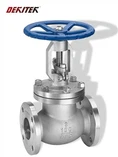

Hey there! As a supplier of API 6D BW Check Valves, I've seen my fair share of issues when it comes to these valves. In this blog post, I'm gonna walk you through how to troubleshoot an API 6D BW Check Valve. Whether you're a newbie in the industry or a seasoned pro, these tips should come in handy.
Understanding the API 6D BW Check Valve
First off, let's quickly go over what an API 6D BW Check Valve is. The API 6D standard is widely recognized in the oil and gas industry, and it sets the requirements for pipeline valves. The BW in API 6D BW stands for butt-welded, which means these valves are welded directly to the pipeline, providing a leak-tight connection.
These valves are designed to allow fluid to flow in one direction only, preventing backflow. They're commonly used in pipelines where reverse flow could cause damage to equipment or disrupt the process. You can check out more about API 6D BW Check Valve on our website.
Common Problems and Troubleshooting Steps
1. Leakage
One of the most common issues with check valves is leakage. There are a few reasons why a valve might leak:


-
Damaged Seals: Over time, the seals in the valve can wear out or get damaged. This could be due to high pressure, abrasive fluids, or just normal wear and tear. To check for damaged seals, you'll need to disassemble the valve (make sure you follow proper safety procedures and have the right tools). Look for signs of wear, such as cracks, cuts, or deformation. If you find damaged seals, you'll need to replace them. Make sure to use seals that are compatible with the valve and the fluid it's handling.
-
Improper Installation: If the valve wasn't installed correctly, it could lead to leakage. For example, if the butt-weld was done poorly, there might be gaps or weak spots in the connection. Check the weld for any signs of porosity, cracks, or incomplete fusion. If you suspect a welding issue, you might need to have a professional welder re-weld the valve.
-
Foreign Objects: Sometimes, foreign objects can get stuck in the valve, preventing it from closing properly. This could be debris from the pipeline, such as sand, rust, or small pieces of metal. To fix this, you'll need to clean the valve. You can use a brush or a cleaning solution to remove any debris. Make sure to inspect the valve thoroughly after cleaning to ensure there are no more foreign objects inside.
2. Valve Not Opening or Closing Properly
Another common problem is when the valve doesn't open or close as it should. Here are some possible causes and solutions:
-
Sticking Disc or Flapper: The disc or flapper inside the valve is what allows or blocks the flow of fluid. If it gets stuck, the valve won't function correctly. This could be due to corrosion, dirt, or misalignment. To fix a sticking disc or flapper, you'll need to clean the valve and lubricate the moving parts. You can use a suitable lubricant, but make sure it's compatible with the valve and the fluid. If the disc or flapper is severely damaged, you might need to replace it.
-
Spring Issues: Some check valves use springs to help the disc or flapper close. If the spring is weak or broken, the valve might not close properly. Check the spring for any signs of damage or wear. If the spring is damaged, replace it with a new one that has the correct specifications.
-
Incorrect Sizing: If the valve is too small or too large for the pipeline, it might not open or close properly. Make sure you've selected the right size valve for your application. You can refer to the valve's technical specifications or consult with an expert if you're unsure.
3. Excessive Noise or Vibration
If you notice excessive noise or vibration coming from the valve, it could be a sign of a problem:
-
Cavitation: Cavitation occurs when the pressure of the fluid drops below its vapor pressure, causing bubbles to form and collapse. This can create a lot of noise and vibration and can also damage the valve. To prevent cavitation, you might need to adjust the pressure in the pipeline or install a pressure control device.
-
Flow Instability: Unstable flow conditions can also cause noise and vibration. This could be due to changes in the flow rate, pressure, or fluid properties. Check the pipeline for any obstructions or restrictions that might be causing the flow instability. You might need to make some adjustments to the pipeline layout or the operating conditions.
Preventive Maintenance
To avoid these problems in the first place, it's important to perform regular preventive maintenance on your API 6D BW Check Valve. Here are some tips:
-
Inspect Regularly: Set up a schedule to inspect the valve regularly. Look for signs of wear, damage, or corrosion. Check the seals, the disc or flapper, and the springs. Early detection of problems can save you a lot of time and money in the long run.
-
Clean and Lubricate: Keep the valve clean and lubricated. This will help prevent sticking and reduce wear on the moving parts. Use the right cleaning solutions and lubricants for your valve.
-
Follow Manufacturer's Guidelines: Make sure you follow the manufacturer's guidelines for installation, operation, and maintenance. These guidelines are designed to ensure the valve operates safely and efficiently.
Conclusion
Troubleshooting an API 6D BW Check Valve might seem daunting at first, but with a little knowledge and the right tools, you can identify and fix most problems. Remember to always follow proper safety procedures when working on valves.
If you're in the market for a high-quality API 6D BW Check Valve or need more information about our products, feel free to reach out to us. We also offer API6D Flange End Swing Type Check Valve if that's more suitable for your application. Don't hesitate to contact us for any procurement needs or to discuss your specific requirements. We're here to help you find the best valve solutions for your projects.
References
- API 6D Standard - Specification for Pipeline Valves
- Manufacturer's Manuals for API 6D BW Check Valves