



As a seasoned supplier of Alloy Steel Globe Valves, I understand the importance of proper maintenance and component replacement to ensure the longevity and optimal performance of these essential industrial devices. In this blog post, I will guide you through the process of replacing the stem of an Alloy Steel Globe Valve, providing you with detailed steps and valuable insights.
Understanding the Alloy Steel Globe Valve Stem
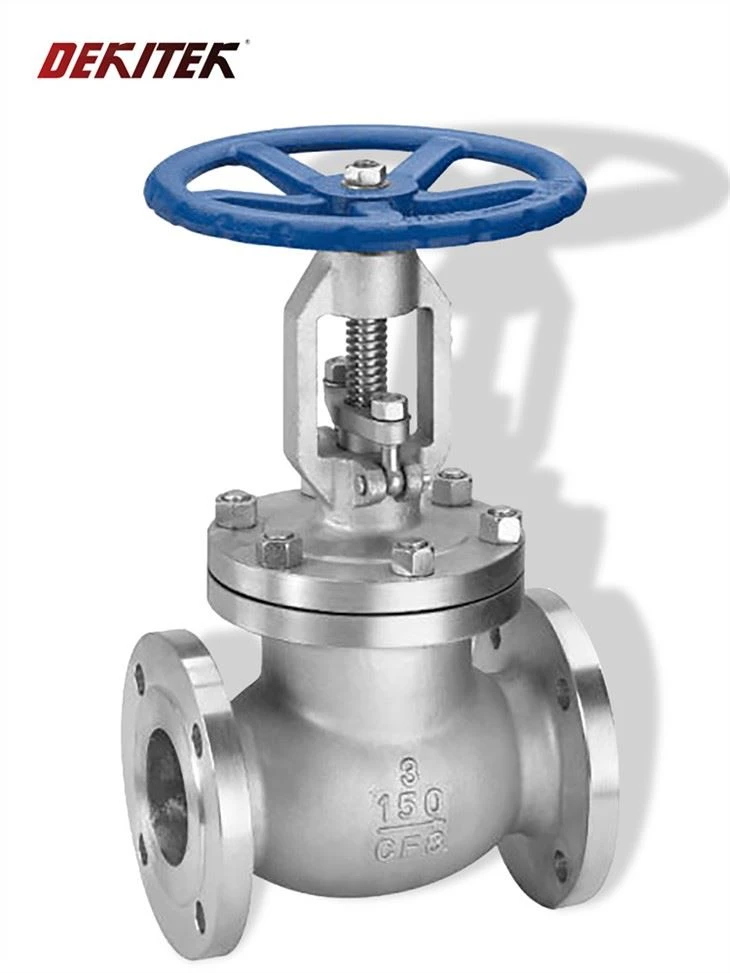
Before we delve into the replacement process, it's crucial to understand the role of the stem in an Alloy Steel Globe Valve. The stem is a vital component that connects the valve actuator to the disc, allowing for the opening and closing of the valve. It is typically made of high-quality alloy steel to withstand the harsh conditions and high pressures commonly encountered in industrial applications.
Over time, the stem may experience wear and tear due to factors such as friction, corrosion, and mechanical stress. When this occurs, it can lead to issues such as leaks, reduced valve performance, and even complete valve failure. Replacing the stem at the first sign of damage or wear is essential to prevent these problems and ensure the continued safe and efficient operation of the valve.
Tools and Materials Required
Before you begin the stem replacement process, gather the following tools and materials:
- Replacement Stem: Ensure that the replacement stem is compatible with your specific Alloy Steel Globe Valve model. You can source the stem from a reputable valve supplier or the manufacturer.
- Wrenches: A set of wrenches, including adjustable wrenches and socket wrenches, will be needed to remove and install the valve components.
- Sealant: A high-quality sealant is required to ensure a proper seal between the stem and the valve body.
- Cleaning Supplies: You will need cleaning supplies such as a wire brush, solvent, and rags to clean the valve components before installation.
- Safety Equipment: Always wear appropriate safety equipment, including gloves, safety glasses, and a face shield, to protect yourself from potential hazards.
Step-by-Step Guide to Replacing the Stem
Now that you have gathered the necessary tools and materials, follow these steps to replace the stem of your Alloy Steel Globe Valve:
- Isolate the Valve: Before starting any work on the valve, ensure that it is completely isolated from the system. This may involve shutting off the flow of fluid, relieving pressure, and disconnecting the valve from the pipeline.
- Remove the Bonnet: Use a wrench to remove the bolts or nuts securing the bonnet to the valve body. Carefully lift the bonnet off the valve body, taking care not to damage the gasket or other components.
- Remove the Old Stem: Once the bonnet is removed, you will have access to the old stem. Use a wrench to loosen and remove the gland nut, which holds the packing in place. Carefully pull the old stem out of the valve body, taking note of its orientation and any other components that may be attached to it.
- Clean the Valve Components: Use a wire brush and solvent to clean the valve body, bonnet, and other components. Remove any dirt, debris, or corrosion that may have accumulated over time. Pay special attention to the stem bore and the gland area, as these areas must be clean and free of any contaminants to ensure a proper seal.
- Install the New Stem: Apply a thin layer of sealant to the threads of the new stem. Carefully insert the new stem into the valve body, making sure it is properly aligned with the disc and the actuator. Tighten the gland nut to secure the packing in place, but be careful not to overtighten it, as this can damage the stem or the packing.
- Reinstall the Bonnet: Place the gasket on the valve body and carefully lower the bonnet onto the valve body. Align the bolt holes and insert the bolts or nuts. Use a wrench to tighten the bolts or nuts evenly, following the manufacturer's recommended torque specifications.
- Test the Valve: Once the bonnet is reinstalled, test the valve to ensure that it is functioning properly. Open and close the valve several times to check for smooth operation and to ensure that there are no leaks. If you notice any issues, such as leaks or difficulty operating the valve, stop the test immediately and inspect the valve for any problems.
- Reconnect the Valve to the System: Once the valve has been tested and is functioning properly, reconnect it to the system. Open the flow of fluid and check for any leaks or other issues.
Tips and Best Practices
- Follow the Manufacturer's Instructions: Always refer to the manufacturer's instructions and guidelines when replacing the stem of your Alloy Steel Globe Valve. This will ensure that you are using the correct tools, materials, and procedures, and will help to prevent any damage to the valve or other components.
- Inspect the Valve Regularly: Regular inspection of your Alloy Steel Globe Valve is essential to detect any signs of wear or damage early on. This will allow you to take proactive measures to prevent valve failure and ensure the continued safe and efficient operation of your system.
- Use High-Quality Components: When replacing the stem or any other components of your Alloy Steel Globe Valve, always use high-quality components from a reputable supplier. This will ensure that the valve performs optimally and has a long service life.
- Seek Professional Help if Needed: If you are unsure about any aspect of the stem replacement process or if you encounter any problems, do not hesitate to seek professional help. A qualified valve technician or engineer can provide you with the expertise and guidance you need to ensure a successful stem replacement.
Related Products
In addition to Alloy Steel Globe Valves, we also offer a wide range of other valve products, including Duplex Steel Globe Valve and Cast Steel Globe Valve. These valves are designed to meet the specific needs and requirements of various industrial applications, and are available in a variety of sizes, materials, and configurations.
If you are interested in learning more about our valve products or if you have any questions or concerns, please do not hesitate to contact us. Our team of experienced professionals is always available to provide you with the information and support you need to make an informed decision about your valve needs.
Conclusion
Replacing the stem of an Alloy Steel Globe Valve is a relatively straightforward process that can be completed with the right tools, materials, and knowledge. By following the steps outlined in this blog post and adhering to the tips and best practices, you can ensure a successful stem replacement and keep your valve operating at its best.
If you are in the market for a high-quality Alloy Steel Globe Valve or any other valve products, we invite you to contact us to discuss your needs. Our team of experts will work with you to understand your requirements and provide you with the best possible solution for your application. We look forward to the opportunity to serve you and to help you achieve your industrial goals.

References
- Valve Manufacturer's Manual
- Industrial Valve Handbook